Image from Freepik
D-ID Launches AI Video Translation Tool With Voice Cloning And Lip Sync
- Written by Kiara Fabbri Former Tech News Writer
- Fact-Checked by
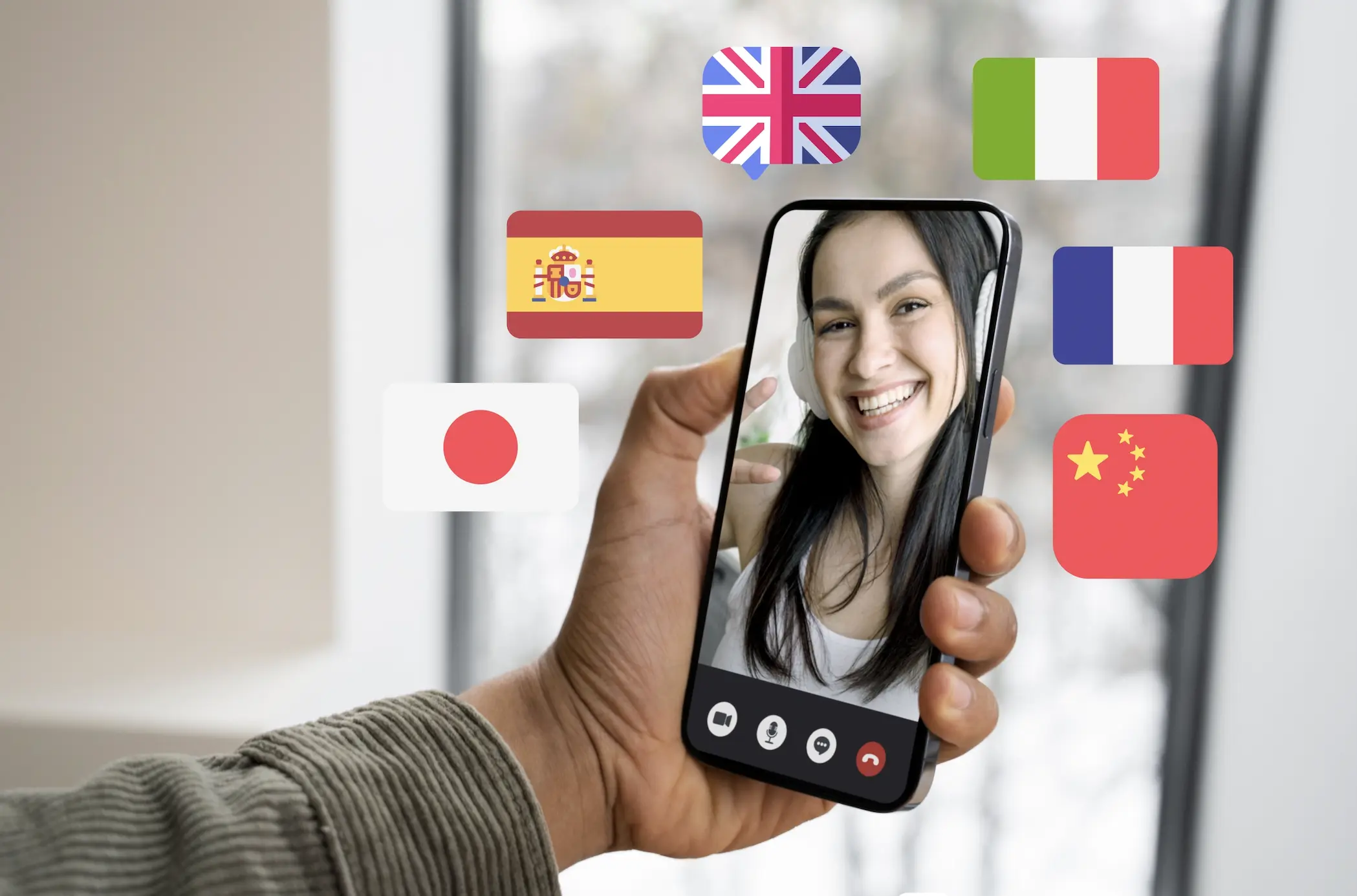
D-ID, a company specializing in AI video creation, has launched its AI video translation tool today. This new tool comes with several features , including voice cloning, lip synchronization, and bulk rendering, within an accessible browser-based interface.
The voice cloning feature replicates the speaker’s voice, and the lip sync technology translates words to match the original lip movements.
Additionally, the tool can generate multilingual videos in bulk, effectively speeding up the content creation process.
D-ID’s website showcases some examples of translated videos to demonstrate the tool’s capabilities.
However, the broader implications of such technology should not be overlooked. For instance, earlier this year, Duolingo made headlines when its spokesperson, Sam Dalsimer, confirmed that the company had replaced around 10 percent of its contract writers and translators with AI. A tool like this could make anyone working in content and translations worried.
There are also considerations surrounding the tool’s struggles to generate content with complete cultural accuracy. In one of D-ID’s web announcements , they acknowledge this issue, and recommend adapting cultural references and testing locally before launch. They also recommend working closely with native speakers or cultural experts.
D-ID also advises testing the translated video with a sample from the target audience before launch to identify and address any cultural or linguistic issues.
The advancement of AI in translation has been ongoing for years, with milestones like the launch of Google Translate in 2006 marking significant progress. As AI continues to evolve, its role in translation and content creation will likely expand, bringing both new opportunities and challenges.

Photo by Toa Heftiba on Unsplash
OpenAI Announces New Partnership To Display Content From Vogue, Wired, And More
- Written by Andrea Miliani Former Tech News Expert
- Fact-Checked by
- Reader’s Comments 1
Open AI announced this Tuesday a new partnership with the global mass media company Condé Nast—the parent company to major publications like Vogue, Wired, The New Yorker, Vanity Fair, Architectural Digest, CG, Condé Nast Traveler, and more.
The new agreement will allow ChatGPT and SearchGPT to display content from its brands. “We’re committed to working with Condé Nast and other news publishers to ensure that as AI plays a larger role in news discovery and delivery, it maintains accuracy, integrity, and respect for quality reporting,” said Brad Lightcap, Chief Operating Officer at OpenAI, in the statement published.
Condé Nast also shared an internal company memo sent to its team regarding the new partnership. “It’s crucial that we meet audiences where they are and embrace new technologies while also ensuring proper attribution and compensation for use of our intellectual property,” wrote Roger Lynch, CEO of Condé Nast, “Our partnership with OpenAI begins to make up for some of that revenue, allowing us to continue to protect and invest in our journalism and creative endeavors.”
Lynch assured that OpenAI is also interested in protecting quality journalism and publishers’ rights as well as sharing reliable information through its models.
OpenAI has also shared the announcement on X. “We’re partnering with Condé Nast to deepen the integration of quality journalism into ChatGPT and our SearchGPT prototype,” states the post.
We’re partnering with Condé Nast to deepen the integration of quality journalism into ChatGPT and our SearchGPT prototype. https://t.co/tiXqSOTNAl — OpenAI (@OpenAI) August 20, 2024
Multiple users have shared their opinions and concerns on this partnership. “By integrating quality content from trusted sources into tools like ChatGPT and the SearchGPT prototype, this partnership could set new standards for how information is curated and consumed online,” wrote one user. “‘Partnering’ is one way to put it. This is to avoid future copyright lawsuits,” wrote another.
Condé Nast’s content will be available for users through ChatGPT and SearchGPT, the new AI-powered search engine launched in July. The financial terms have not been disclosed like it’s happened before with other partnerships. OpenAI has also announced partnerships with TIME , News Corp , and other major publishers this year.
