
Photo by freestocks on Unsplash
Cybercriminals Target iPhone Users To Steal Apple IDs
- Written by Andrea Miliani Former Tech News Expert
- Fact-Checked by Justyn Newman Former Lead Cybersecurity Editor
Cybercriminals have been targeting iPhone users to steal Apple IDs. Symantec, a security software company owned by Broadcom, published a warning last week, alerting users about malicious campaigns sent via email and SMS in the United States.
According to Symantec, hackers are targeting Apple users and trying to steal Apple IDs “due to their widespread use,” as it allows them to make purchases, access personal and financial information, and since Apple is known for its security and privacy measures, users are more vulnerable towards threats that impersonate Apple to get private information.
The malicious campaigns reported in the United States encourage users to visit a website that mimics the iCloud page and requests login information. One of the malicious SMS users received stated: “Apple important request iCloud: Visit signin[.]authen-connexion[.]info/icloud to continue using your services.”
Apple Shared Guidelines And Recommendations
After multiple alerts from users, publications, and cybersecurity organizations, Apple shared a document with information, tips, and recommendations to avoid these scams through its support section.
“If you believe that your Apple ID has been compromised, or if you might have entered your password or other personal information on a scam website, change your Apple ID password immediately and ensure that two-factor authentication is enabled,” states the document.
Apple recommends users never share personal information, passwords, or security codes with anyone, especially if it is requested through a link. The tech giant also encourages customers to activate the two-factor authentication to protect their Apple ID.
The company also shared information on how cybercriminals operate and how to recognize signs and behaviors that alert about a possible social engineering attack. “They will often convey a desire to help you resolve an immediate problem. For example, they may claim that someone broke into your iPhone or iCloud account, or made unauthorized charges using Apple Pay,” it explains, “The scammer will claim they want to help you stop the attacker or reverse the charges.”
The document also includes guidelines on what to do after receiving a malicious message, how to report it through official communications channels, and where to find more relevant information.
Ex: Public Domain Picture Image from rawpixel
Breakthrough in HIV Prevention: Trial Shows That Twice-Yearly Injection 100% Effective in Women
- Written by Kiara Fabbri Former Tech News Writer
- Fact-Checked by Justyn Newman Former Lead Cybersecurity Editor
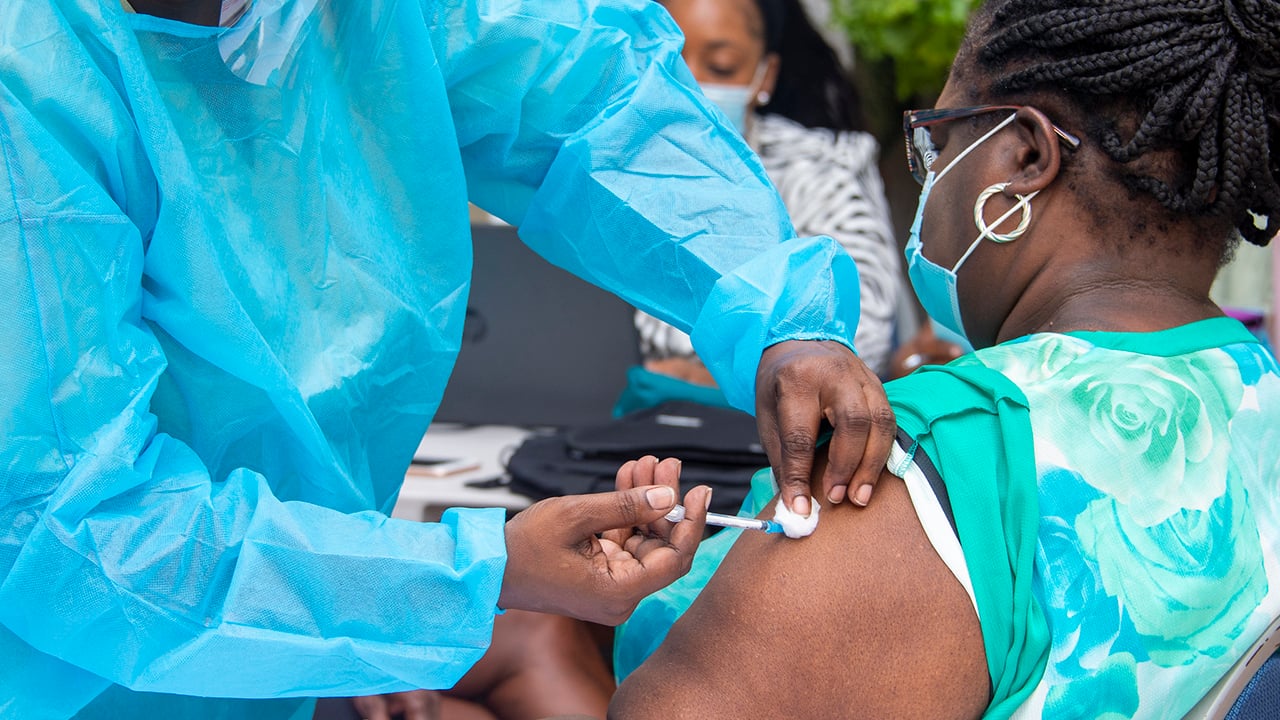
A major clinical trial in South Africa has yielded promising results for a new HIV prevention medication. The study found that a twice-yearly injection of lenacapavir offered young women 100% protection from HIV infection.
In the Purpose 1 trial study, the researchers compared the effectiveness of three pre-exposure prophylaxis (PrEP) drug:
Lenacapavir, a new injectable medication administered every six months.
Truvada (F/TDF), a daily pill that has been the standard PrEP option for over a decade.
Descovy (F/TAF), a newer daily pill with improved properties.
The most striking finding was the 100% protection from HIV infection observed among the 2,134 women who received lenacapavir injections. In comparison, some women taking daily Truvada (1.5%) and Descovy (1.8%) contracted the virus.
These results highlight the potential benefits of injectable PrEP, particularly for young women in sub-Saharan Africa who often struggle with adherence to daily medications.
Physician-scientist Linda-Gail Bekker, principal investigator for the South African part of the study, writes : ”For a young woman who struggles to get to an appointment at a clinic in a town or who can’t keep pills without facing stigma or violence, an injection just twice a year is the option that could keep her free of HIV.’’
The Purpose 1 trial will continue in an “open label” phase, allowing participants to choose their preferred PrEP option. Additionally, a sister trial ( Purpose 2 ) is underway to assess lenacapavir’s effectiveness among men and transgender individuals.
Over 1.3 million people contracted HIV globally in 2022. This number, though lower than 2010’s 2 million, is still far too high to reach the UNAIDS target of less than 500,000 new infections by 2025.
”We also hope we may begin to see the drug being tested in more studies to understand better how to incorporate it into real world settings. Price is a critical factor to ensure access and distribution in the public sector where it is badly needed.’’ Said Linda-Gail Bekker .
