
Image by DC studio, from Freepik
Cyberattacks On Critical Infrastructures Drive Major Financial Losses
- Written by Kiara Fabbri Former Tech News Writer
- Fact-Checked by Justyn Newman Former Lead Cybersecurity Editor
In a Rush? Here are the Quick Facts!
- Ransomware attacks and payments remain widespread.
- Nearly 45% reported financial losses exceeding $500,000 from CPS cyberattacks.
- Ransomware remains a significant issue, especially in the healthcare sector.
A new global survey, conducted by the cybersecurity company Claroty , highlights the rising financial and operational impacts of cyberattacks on critical infrastructure systems. The survey of 1,100 cybersecurity professionals revealed that cyber-physical systems (CPS) are increasingly being targeted.
This includes operational technology (OT), Internet of Things (IoT), medical devices (IoMT), and building management systems (BMS), leading to major financial losses and operational disruptions.
In light of these rising threats, cybersecurity professionals are facing unprecedented strain as the frequency of cyberattacks increases and AI complicates the threat landscape.
One of the report’s key findings is that nearly half of respondents (45%) reported financial damages exceeding $500,000 USD due to cyberattacks on CPS in the past year, with 27% experiencing losses of $1 million or more.
The sectors most affected include chemical manufacturing, energy, and mining, where over 50% of respondents reported losses over $500,000. Contributing factors include lost revenue, recovery costs, and employee overtime.
Ransomware continues to pose a major challenge, especially for the healthcare sector. Over half of the respondents (53%) indicated paying more than $500,000 USD to meet ransom demands in order to regain access to encrypted systems.
Hospitals and other healthcare facilities have been particularly vulnerable, with 78% of healthcare organizations reporting ransom payments over this amount.
Operational disruptions caused by cyberattacks have also been widespread. Almost half of the respondents (49%) experienced over 12 hours of downtime in the past year, with a third (33%) reporting at least one full day of disruption.
For many, the recovery process is lengthy—29% said it took over a month to fully recover from incidents. Process manipulation and disruption were among the most commonly reported effects of these attacks.
Remote access and supply chain vulnerabilities are another major concern. With 45% of CPS assets now connected to the internet, reliance on virtual private networks (VPNs) without CPS-specific security measures is growing.
Third-party supplier access to CPS environments is a significant entry point for attacks, with 82% of respondents reporting at least one incident originating from such access in the past year.
Despite these challenges, there is growing optimism about CPS resilience. Over half of the respondents (56%) expressed confidence in their organization’s ability to withstand future attacks, with 72% expecting improvements in CPS security over the next year.
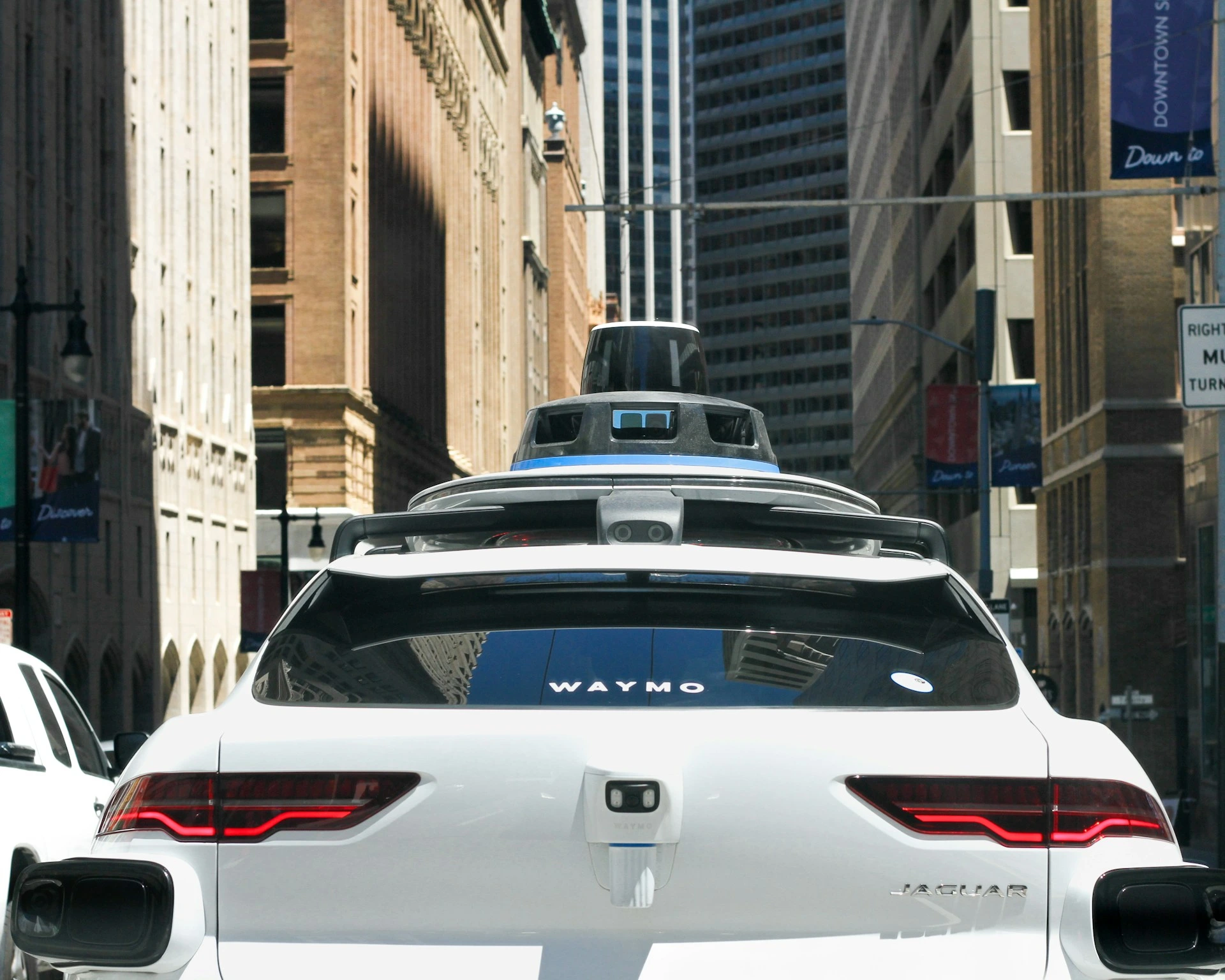
Photo by gibblesmash asdf on Unsplash
Waymo Partners with Hyundai to Add EV Robotaxis to Its Fleet
- Written by Andrea Miliani Former Tech News Expert
- Fact-Checked by Justyn Newman Former Lead Cybersecurity Editor
In a Rush? Here are the Quick Facts!
- Waymo and Hyundai announced a multi-year partnership to build and deploy robotaxis
- Hyundai’s all-electric IONIQ 5 SUV will be added to the Waymo One fleet within the next few years
- The vehicles will be built in Georgia and the testings will begin next year
The American autonomous driving technology company Waymo announced this Friday a multi-year partnership with the South Korean automaker Hyundai to integrate Waymo Driver and add Hyundai’s all-electric IONIQ 5 SUV to the Waymo One fleet.
“We are thrilled to partner with Hyundai as we further our mission to be the world’s most trusted driver,” said Tekedra Mawakana, co-CEO, of Waymo. “Hyundai’s focus on sustainability and strong electric vehicle roadmap makes them a great partner for us as we bring our fully autonomous service to more riders in more places.”
The agreement involves multiple phases, including manufacturing and testing. The companies will assemble the robotaxis in the United States, in Georgia, at the manufacturing facility of Hyundai Motor Group Metaplant America (HMGMA) for multiple years with “significant volume.” The first testing for the brand-new vehicles will begin by the end of next year.
“Waymo’s transformational technology is improving road safety where they operate, and the IONIQ 5 is the ideal vehicle to scale this further,” said José Muñoz, president and global COO of Hyundai Motor Company, and president and CEO of Hyundai Motor North America. “The team at our new manufacturing facility is ready to allocate a significant number of vehicles for the Waymo One fleet as it continues to expand.”
Waymo also recently announced a new partnership with Uber to order robotaxis through the ridesharing app in Austin, Texas, and Atlanta, Georgia. Waymo has been quickly expanding across the United States and has deployed its autonomous vehicles in other cities like San Francisco , Phoenix, and Los Angeles.
