
Image by Yuri Samoilov, from Wikipedia Commons
Creators Protest Meta’s Policy Limiting Political Posts On Instagram
- Written by Kiara Fabbri Former Tech News Writer
- Fact-Checked by Justyn Newman Former Lead Cybersecurity Editor
A report published yesterday by Accountable Tech reveals that Meta’s recent policy to limit political content on Instagram has resulted in a dramatic 65% decline in the reach of several high-profile accounts.
In the policy announcement, the company stated that while users will still see political posts from accounts they follow, posts from accounts they do not follow will be less likely to appear. Meta’s goal is to create a more positive user experience by limiting exposure to contentious political topics.
The report argues that this decline was noted particularly in posts related to voting information, reproductive rights, and advocacy for marginalized groups. Accountable Tech, led by campaigns director Zach Praiss, conducted the study by analyzing Instagram Insights data shared by the accounts involved.
Fortune reports that the study is one of the first to measure the impact of Instagram’s decision to limit political content in its recommendation algorithms, unless users specifically opt in to view such posts.
According to Bloomberg , the decision to decrease the reach of political content drew an outcry from mainly left-leaning creators and groups who were concerned it would suppress information on social injustice. Bloomberg reports that Accountable Tech said it sought participants from both sides of the political spectrum, but left-leaning accounts were the only ones who volunteered.
In June, Instagram Chief Adam Mosseri told Bloomberg , “We don’t think it’s our place to amplify political news, […] We don’t think it’s our place to show you a hot take on a political issue from an account you do not follow and therefore you did not ask for it.”
Bloomberg also suggests that critics argue that Meta’s definition of political content is vague and that the policy disproportionately impacts credible information from activists and marginalized creators, especially during a global election year.
Accountable Tech reports Ky Polanco, Co-Founder & Co-Executive Director FEMINIST saying, “This form of tech censorship directly impedes our access to crucial healthcare information, silencing voices at the forefront of the intersectional feminist movement and undermining civic engagement, reproductive health, and social justice.”
As Meta continues to refine its approach to content moderation, the impact on both users and content creators remains a subject of ongoing debate.
Picture from Pxhere
Google Shuts Down AdSense Accounts in Russia
- Written by Kiara Fabbri Former Tech News Writer
- Fact-Checked by Justyn Newman Former Lead Cybersecurity Editor
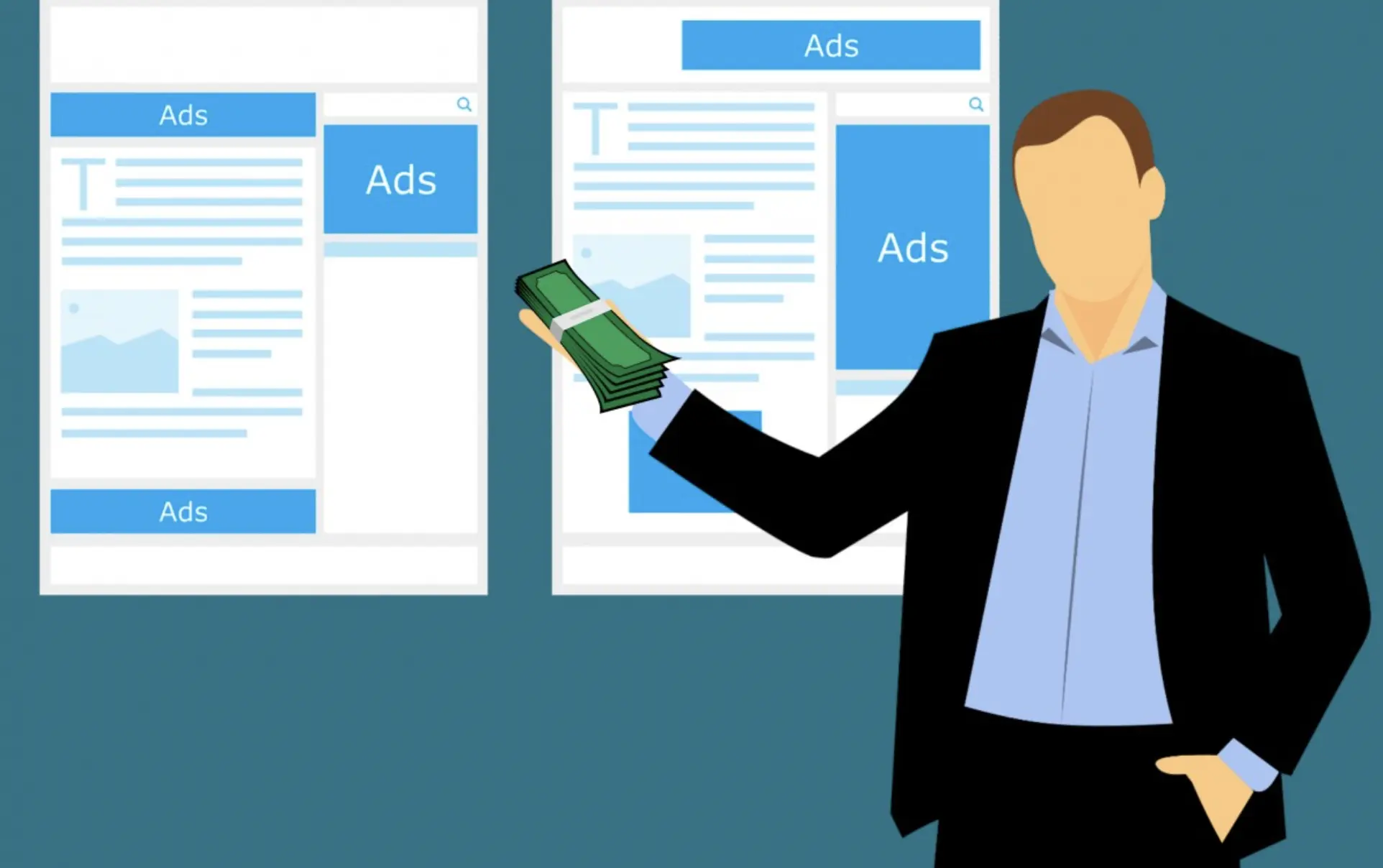
On August 12, Google revealed that it will deactivate all AdSense accounts based in Russia, ceasing payments to users of its advertising service in the country. The company attributed this decision to “ongoing developments in Russia,” with the change taking effect in August 2024.
Consequently, Russian users will no longer have access to AdSense, a platform that enables website and content owners, including YouTube creators, to generate revenue through Google-managed ad placements.
According to Reuters , Google’s move comes after a recent slowdown in YouTube’s performance in Russia. This has drawn criticism from Russian lawmakers. They argue that the slowdown is due to Google’s failure to upgrade its infrastructure in the country since the 2022 invasion of Ukraine. However, Google disputes this claim, suggesting other factors might be at play.
Reuters reports that Russian officials have expressed frustration with Google’s stance, which includes blocking more than 1,000 YouTube channels and over 5.5 million videos, especially those related to the Ukraine conflict. The company had previously stopped serving ads in Russia in March 2022 and paused monetization of content that either exploited or condoned the war.
According to a message from Google reviewed by Reuters, creators based in Russia will receive their final payouts this month. Google stated that payments will be processed between August 21 and 26. This is contingent on users having no active payment holds and meeting the minimum payment thresholds.
Reuters points out that this action follows recent Russian legislation banning advertising on content produced by “foreign agents.” According to The Moscow Times , this category includes journalists, bloggers, news websites, and social media pages, all of which are prohibited from advertising their own products and services through businesses.
Google’s decision to suspend AdSense is seen by some—as reported by Reuters—as a continuation of its broader strategy to comply with Western sanctions and policies.
