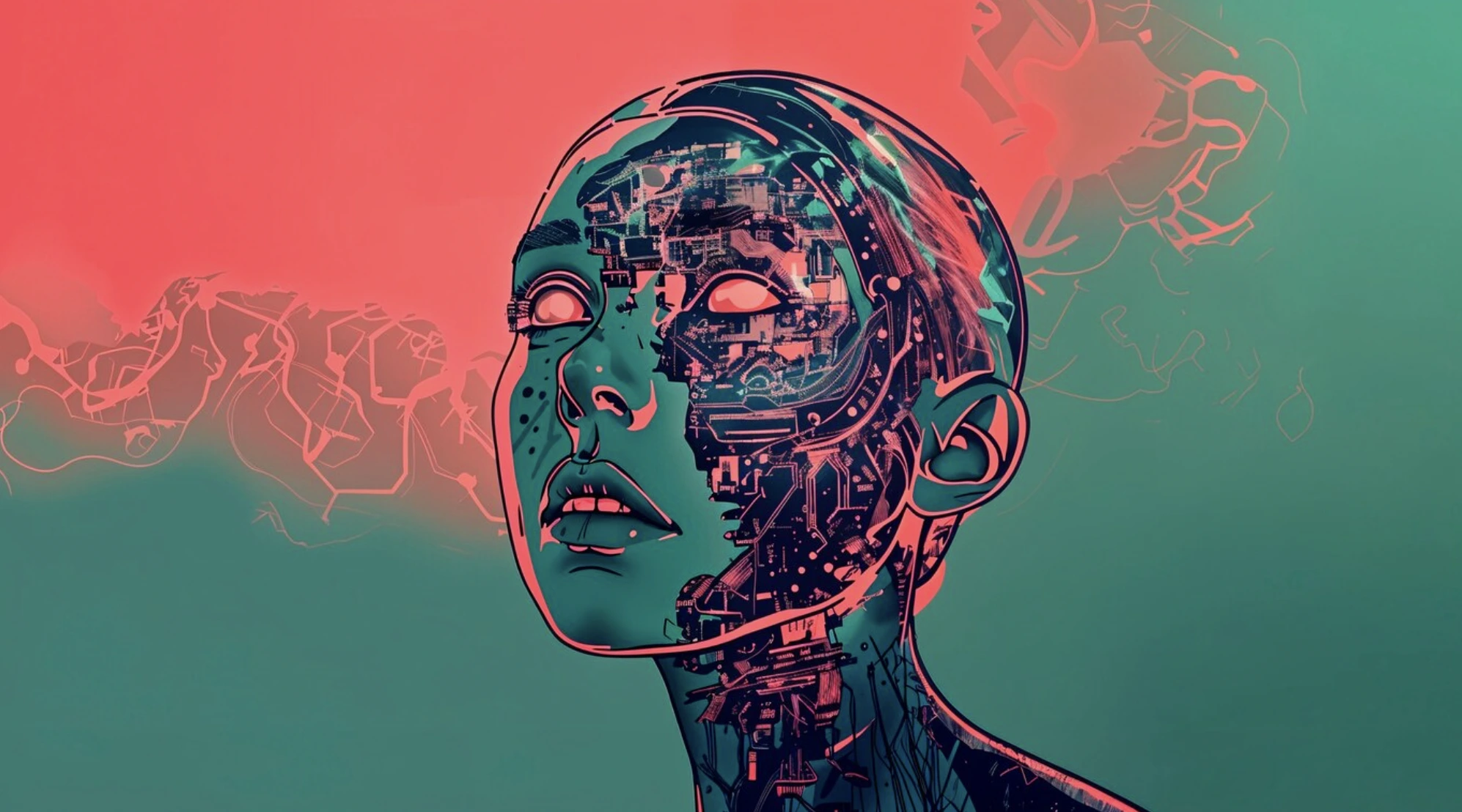
Image by Freepik
Christie’s To Hold First-Ever AI Art Auction
- Written by Kiara Fabbri Former Tech News Writer
- Fact-Checked by Justyn Newman Former Lead Cybersecurity Editor
Luxury auction giant Christie’s is set to make history with its first auction dedicated entirely to AI-generated art.
In a Rush? Here are the Quick Facts!
- Over 20 AI-driven artworks will be featured, including paintings, sculptures, and NFTs.
- Pinar Van Arman’s AI-painted series “Emerging Faces” may sell for up to $250,000.
- A live AI-guided robot by Alexander Reben will paint as bids increase.
The sale, titled “ Augmented Intelligence ,” will run from February 20 to March 5 at the auction house’s Manhattan gallery, marking a major endorsement of AI as a legitimate creative tool in the fine art world, as first reported by R/Scene .
The collection will showcase over 20 AI-driven artworks from leading digital artists, including Pindar Van Arman, Harold Cohen, and Alexander Reben. Several well-known on-chain artists specializing in NFTs, such as Refik Anadol, Holly Herndon & Mat Dryhurst, and Claire Silver, will also contribute pieces.
Enter the world of Augmented Intelligence, Christie’s first auction solely offering artworks created with AI. Featuring works from @refikanadol , @clairesilver12 , @vanarman , @hollyherndon @matdryhurst and more, the sale challenges us to rethink the limits of artistic agency. pic.twitter.com/MwNZbQPDte — Christie’s (@ChristiesInc) February 7, 2025
“The auction redefines the relationship between art and technology, showing collectors human agency in the age of AI in Fine Art,” said Nicole Sales Giles, Christie’s head of digital art sales. “From robotics to GANs to interactive experiences, artists incorporate artificial intelligence into their practices in many unique ways.”
The artworks range from sculptures and paintings to digital-native NFTs and interactive pieces.
A standout piece is Emerging Faces, a 2017 series by renowned AI artist Pindar Van Arman (estimated at $180,000–$250,000). In this series, two AI agents collaborate on portrait creation—one generates and paints faces using AI, while the other halts the process once it detects a human likeness.
The work on offer includes nine unique canvases, among the first autonomously created by neural networks, marking a key moment in AI-generated art.
Some pieces will be created in real time. Alexander Reben’s latest work transforms generative AI into a live performance, where painting unfolds in real time through an auction-driven process. A large-scale painting robot, powered by Reben’s custom-coded AI models, will be installed at Rockefeller Center.
Beginning at $100, the robot will continue painting as bids increase, with each addition reflecting the rising price. The artwork’s progress will be showcased both onsite and online throughout the exhibition.
This approach, the first of its kind at auction, offers collectors a chance to engage with an evolving piece that highlights AI’s expanding role in creative expression.
Both Christie’s and its rival Sotheby’s have been actively expanding their presence in digital and AI art. In 2021, Christie’s made headlines by selling an NFT by artist Beeple for $69.3 million, fueling mainstream interest in blockchain-based art, as noted by R/Scene.
The sale also coincides with a landmark clarification from the U.S. Copyright Office, which recently affirmed that AI-assisted works can qualify for copyright protection if they contain sufficient human creativity.
This latest auction reflects a growing recognition of AI as a transformative force in the art world, with collectors increasingly drawn to its ability to merge human creativity with machine intelligence.
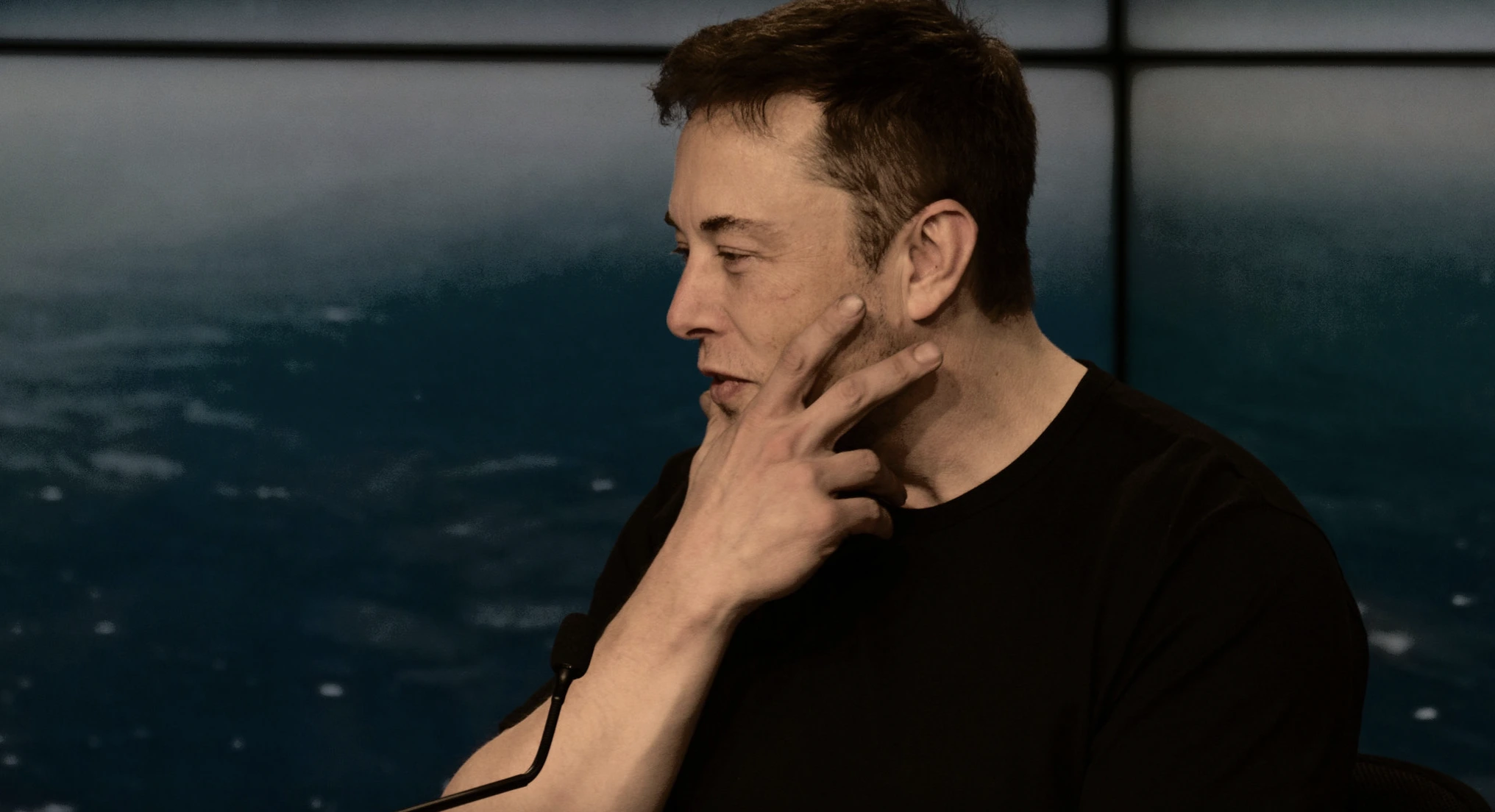
Image by Daniel Oberhaus, from Flickr
Experts Warn Musk’s DOGE Poses Unprecedented Threat to Federal IT Security
- Written by Kiara Fabbri Former Tech News Writer
- Fact-Checked by Justyn Newman Former Lead Cybersecurity Editor
Elon Musk’s efforts to access federal government data and information systems have raised alarm among IT experts, who warn of a crisis of unprecedented scale.
In a Rush? Here are the Quick Facts!
- Elon Musk’s DOGE seeks access to critical U.S. government IT systems.
- Experts warn of the largest U.S. government IT security breach in history.
- DOGE employees lack experience but reportedly accessed multiple federal agencies.
The Athlantic (TA) reports that according to four federal IT professionals, Musk’s newly established Department of Government Efficiency (DOGE) has sought entry into various critical systems, despite its employees lacking experience with such complex infrastructures.
“This is the largest data breach and the largest IT security breach in our country’s history—at least that’s publicly known,” one contractor with experience in classified government IT security stated, as reported by TA.
Experts fear that once DOGE gains access to these systems, its members could extract sensitive data, modify fundamental operations, or inadvertently cause system failures.
TA reports that DOGE representatives have obtained or requested access to systems at the Treasury Department, Department of Health and Human Services, Office of Personnel Management (OPM), and National Oceanic and Atmospheric Administration.
TA says that the Federal Aviation Administration (FAA) has also been targeted. The extent of DOGE’s access remains unclear, but experts caution that even read-only access could allow individuals to gather and transfer sensitive data.
Trump has defended Musk’s involvement, stating, “Elon can’t do and won’t do anything without our approval. And we will give him the approval where appropriate. Where it’s not appropriate, we won’t.” However, the lack of oversight over DOGE’s activities has left government IT professionals deeply concerned, noted TA.
Federal systems are highly intricate, with strict access controls in place to protect sensitive information. For example, the FAA’s En Route Automation Modernization program contains nearly 2 million lines of code, compared to an average iPhone app’s 50,000, noted TA.
Treasury databases process trillions of dollars annually, and OPM’s personnel databases contain sensitive records on government employees.
One contractor emphasized the risks: “They could change or manipulate Treasury data directly in the database with no way for people to audit or capture it. We’d have very little way to know it even happened,” as reported by TA
Adding to concerns, CNN reported that a 23-year-old former SpaceX intern was granted access to the Department of Energy’s IT systems without a background check. “That these guys, who may not even have clearances, are just pulling up and plugging in their own servers is madness,” one source said.
Experts warn that any tampering with FAA systems could jeopardize air travel safety. An FAA employee with nearly a decade of experience stated, “Going into these systems without an in-depth understanding of how they work… is a recipe for disaster that will result in death and economic harm to our nation,” reports TA
Despite Musk’s claims that DOGE will “make rapid safety upgrades to the air traffic control system,” IT professionals remain skeptical, says TA.
Further raising alarm, Bloomberg revealed that 19-year-old DOGE staffer Edward Coristine, previously an intern at the cybersecurity firm Path Network, was fired in 2022 for leaking company secrets to a competitor. Internal messages at the time stated, “Edward has been terminated for leaking internal information to the competitors, […] This is unacceptable.”
Despite his dismissal, Coristine later boasted on Discord that he retained access to Path Network’s systems, though he claimed he never exploited it. His reckless past, coupled with his current involvement in highly classified government IT infrastructure, has heightened concerns about DOGE’s security practices.
Meanwhile, Gizmondo reports that DOGE’s hiring process has come under scrutiny. Musk has signaled his intention to rehire Marko Elez, a former DOGE worker linked to an X account that posted racist content.
Government infrastructure, while sometimes outdated, is designed for reliability. Attempting to modernize such systems without expertise could lead to catastrophic failures.
The full extent of DOGE’s activities remains uncertain, but IT experts agree: the risks are severe, and the consequences could be irreversible.
