
Chinese Telecom Firms Barred from Offering Broadband in the US
- Written by Deep Shikha Content Writer
- Fact-Checked by
On April 25, the Federal Communications Commission (FCC) ordered China Telecom, China Unicom, and China Mobile to cease their fixed and mobile broadband services in the US.
Reuters reported that this decision comes as part of a net neutrality order that was also approved on April 25, which includes Chinese telecom firms Pacific Networks and its subsidiary ComNet. These companies are required to cease their operations within 60 days from the order’s effective date.
Reuters reports that China Telecom, China Unicom, and China Mobile were previously barred from offering telecommunications services in the U.S., which is in line with court decisions. However, FCC Chair Jessica Rosenworcel noted that there is solid evidence that these companies continued to provide broadband services within the country.
The FCC cited national security concerns, pointing out the potential for these Chinese telecom entities to be exploited, influenced, and controlled by the Chinese government.
Adding to the security concerns, FCC Commissioner Geoffrey Starks told Reuters that China Telecom’s operations include 26 Internet Points of Presence (POPs) across the U.S., which offer various services like colocation, broadband, and data center services. These POPs are critical as they interconnect with other networks at key data centers, presenting potential risks.
The FCC has been examining vulnerabilities in the Border Gateway Protocol (BGP) crucial for the global routing system of the internet, since 2022. This is just the latest action to restrict Chinese Telecom providers in the US.
Synthesia Unveils AI Avatars Capable of Expressing Human Emotions
- Written by Deep Shikha Content Writer
- Fact-Checked by
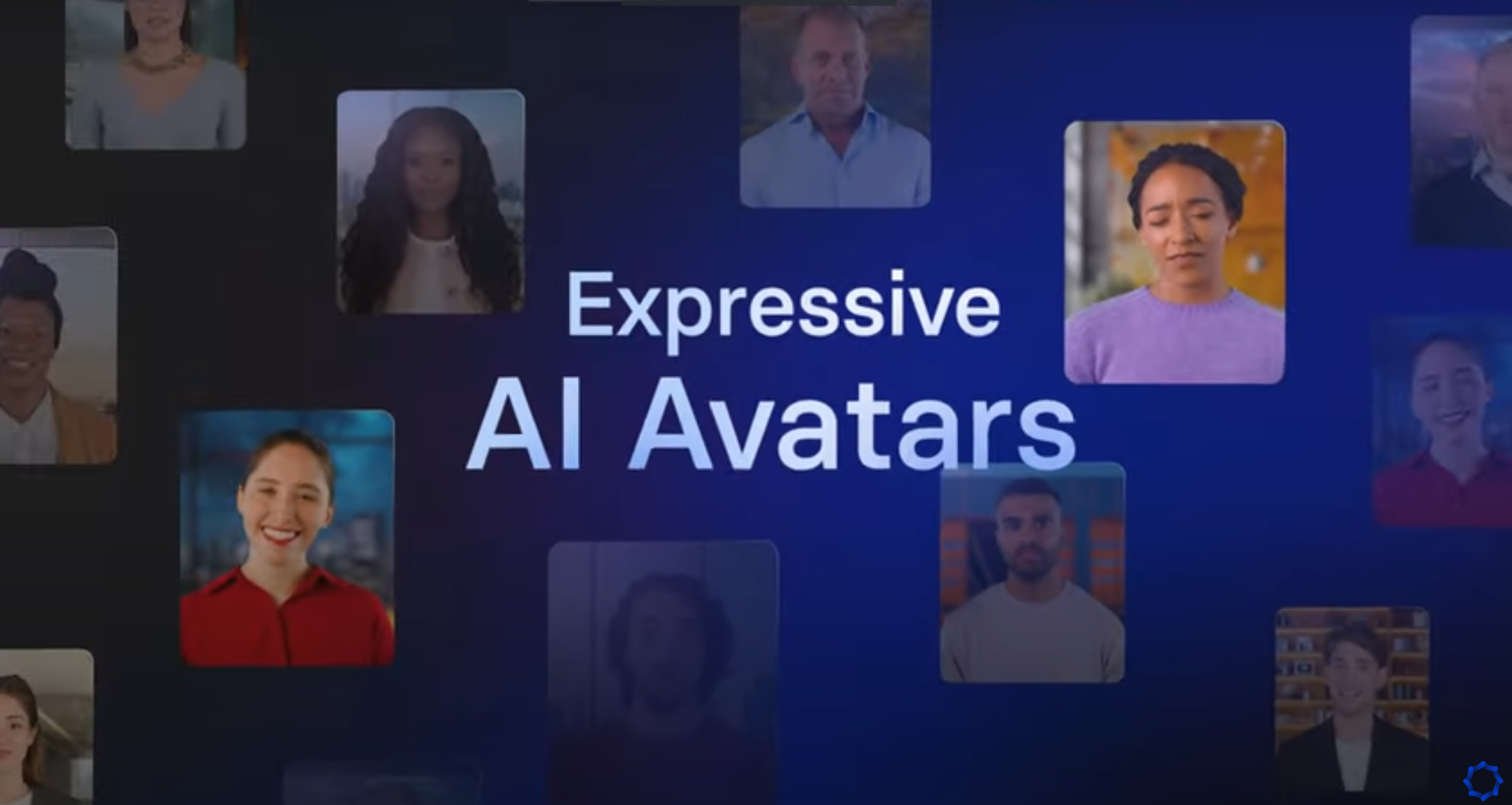
Nvidia-backed startup Synthesia has launched its 4th generation of AI avatars, now with the ability to express human emotions. Unveiled in a blog post on April 22, these avatars are meant to enhance corporate video communications by delivering performances with lifelike tones and body language in real-time, based on textual inputs.
Synthesia’s technology includes 225 avatars, which have already been used by more than 200,000 people to generate 18 million+ video presentations in 130 languages.
In a demonstration that can be seen in the blog post, Synthesia inserted three lines of text into its platform: “I am happy. I am sad. I am frustrated.” The AI actor delivers each line with an emotion-specific tone and facial expression.
Synthesia’s latest innovation, termed “Expressive Avatars,” is powered by their new EXPRESS-1 model. The model enables these digital personas to convey a wide range of human emotions effectively, from happiness to frustration, through voice and facial expression synchronization.
The firm’s avatars have been implemented in over 55,000 businesses globally, including half of the Fortune 100 companies, to create corporate presentations and training videos, according to CNBC.
According to Synthesia, this technology aims to transform professional video production by reducing costs and resource requirements. This approach removes the need for cameras, microphones, and traditional actor-based setups, streamlining content creation.
Synthesia has also implemented stringent controls to ensure its platform is not used for disinformation. Synthesia is part of the Coalition for Content Provenance and Authenticity, an alliance of AI firms working to add credentials and digital “watermarks” to AI-generated content in order for it to be easily identified as AI-generated and not human-made, reports CNBC .
Synthesia states that these avatars could play a crucial role in onboarding and training within companies. They could simulate lifelike interactions in virtual settings, providing new employees with a dynamic and engaging way to learn about their roles and the company culture.
