
Photo by Pascal Bernardon on Unsplash
Chinese Self-Driving Startup WeRide Raises $440.5 Million in U.S. IPO
- Written by Andrea Miliani Former Tech News Expert
- Fact-Checked by Justyn Newman Former Lead Cybersecurity Editor
In a Rush? Here are the Quick Facts!
- WeRide raised $320.5 million in private placement and $120 million in IPO
- The startup is now valued at $4 billion
- The autonomous vehicle startup offered 7,742,400 shares at $15.50
The Chinese autonomous vehicle startup WeRide raised $440.5 million during its initial public offering and a private placement in the United States this Friday.
According to the press release , WeRide made its initial public offering of 7,742,400 American depositary shares approved at $15.50 to trade at the Nasdaq Global Select Market under the symbol WRD. The offering is expected to close on Monday, October 28.
@WeRide is now officially listed on #NASDAQ , as the world’s first publicly listed universal #autonomousdriving technology company and the first publicly listed Robotaxi company. A huge thank you to our investors, clients, and partners! https://t.co/bhxv0WBNV6 — WeRide.ai (@WeRide_ai) October 25, 2024
Investors purchased $320.5 million through private placement, and WeRide expects to reach $458.5 million in total, including additional shares.
According to Reuters , the number of Chinese companies entering the American stock market has significantly decreased in the past few years due to Chinese regulations, especially after the ridesharing company Didi Global was forced to exit the New York Stock Exchange.
After China’s regulations softened, more companies are coming back to join the American stock market and WeRide is an example. After this IPO, the startup’s valuation surpassed $4 billion.
WeRide develops multiple kinds of autonomous driving vehicles but has been standing out in the robotaxi sphere. In China, the boom of robotaxis is making drivers worry about their future and WeRide’s vehicles have been taking the streets along with the competitor’s vehicles.
China has been quickly approving permits and documentation for multiple startups like Apollo Go, AutoX, and Pony.ai. But WeRide is one of the companies making large efforts to reach the American market, despite U.S. strict regulations on its products operating in the country.
Due to national concerns, the Biden administration proposed a rule to forbid Chinese hardware and software in autonomous vehicles on American territory.
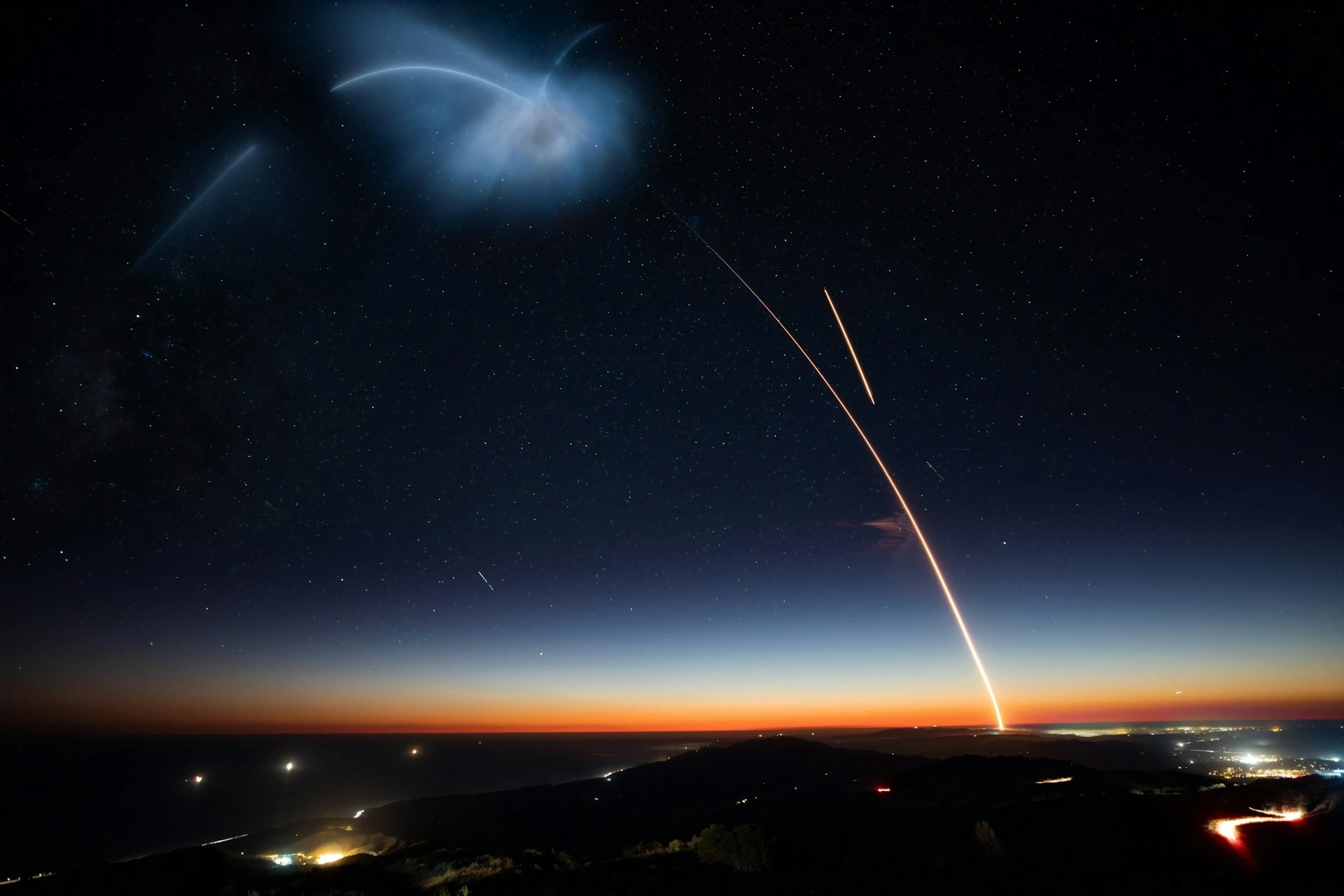
Photo by SpaceX on Unsplash
SpaceX’s Crew-8 Returns to Earth with NASA Astronauts After 7 Months in Space
- Written by Andrea Miliani Former Tech News Expert
- Fact-Checked by Justyn Newman Former Lead Cybersecurity Editor
In a Rush? Here are the Quick Facts!
- Crew-8 got back to Earth after over 7 months in Space
- The astronaut’s return had been delayed for 2 months due to technical issues and weather conditions
- SpaceX’s ship splashed into the Gulf of Mexico near Pensacola this morning before dawn
SpaceX’s Dragon rocket Endeavour returned to Earth carrying Crew-8—with three American and one Russian astronauts—after over 7 months—235 days—in Space this Friday morning.
According to the Associated Press , the capsule with the crew undocked from the International Space Station (ISS) earlier this week and splashed into the Gulf of Mexico today before dawn, near Pensacola, Florida.
The crew’s return had been delayed two months but multiple circumstances interfered with the schedule. The original capsule destined for their return presented technical issues and then weather conditions due to Hurricane Milton raised concerns, making the crews postpone their travel plans until safer guidelines were reached this week.
According to Forbes , NASA astronauts Matthew Dominick, Jeanette Epps, Michael Barratt, and Russia’s space agency Roscomos’s astronaut Alexander Grebenkin had arrived in March to the ISS. Crew-8 represents SpaceX’s 13th crewed mission and the 8th time NASA relies on SpaceX rockets.
The crew’s mission was to conduct over 200 science experiments and help prepare for more human exploration. Crew-9 is already in space—it was launched with the ship that just brought Crew-8—and more missions are expected: Crew-10 will launch in February, and Crew-11 after July 2025.
NASA shared a live video of Crew-8’s arrival this morning, which lasted over two hours, and showed the process of the astronauts getting back to Earth, the multiple parachutes slowing down the Dragon spacecraft, and the splashdown in the gulf. Over 5 million users watched and reacted to the video.
LIVE: #Crew8 returns home from their mission on the @Space_Station . Splashdown of the @SpaceX Dragon capsule is expected at 3:29am ET (0729 UTC). https://t.co/PdNQljsPoG — NASA (@NASA) October 25, 2024
