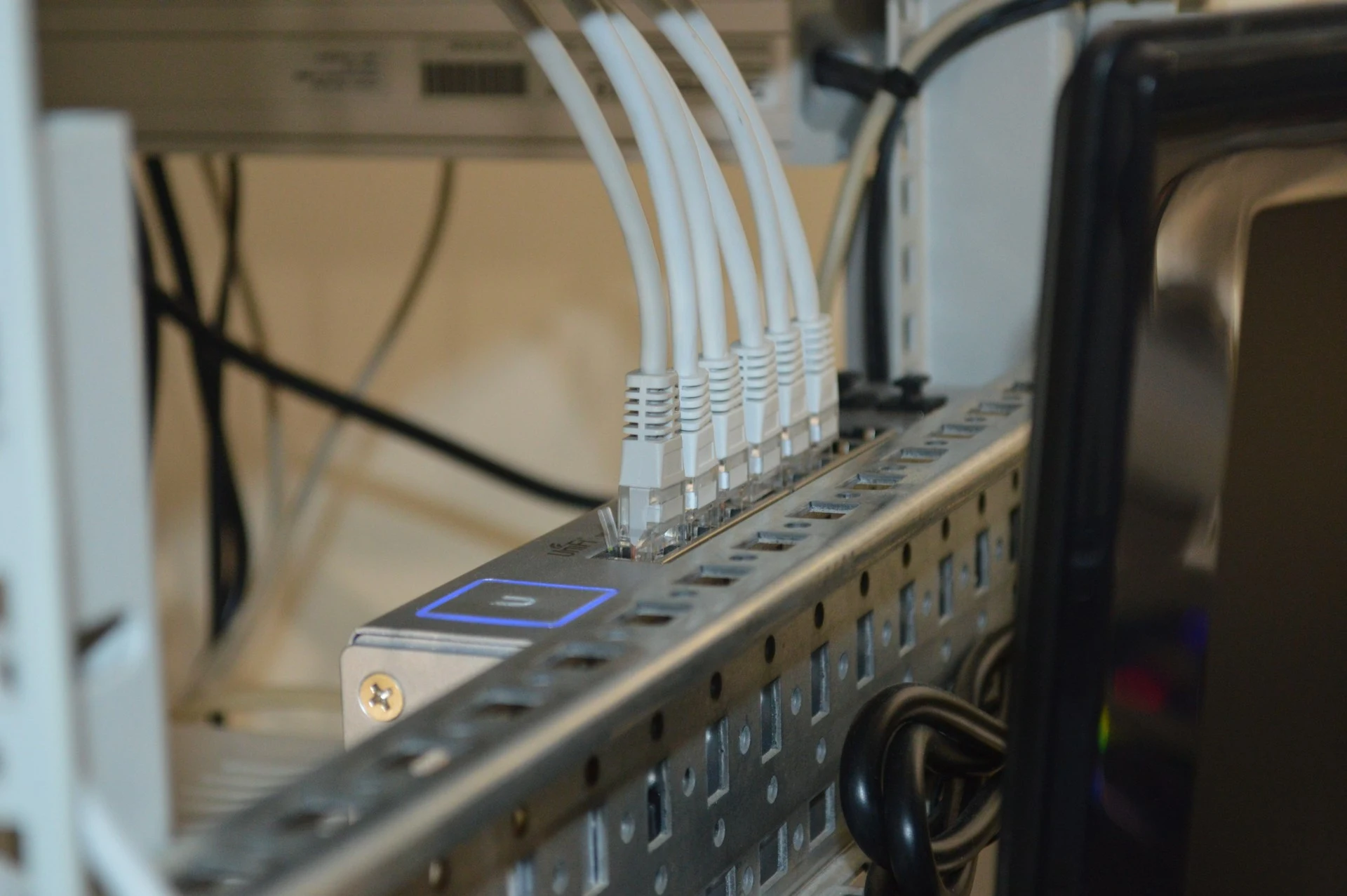
Photo by Thomas Jensen on Unsplash
Chinese Hackers Target Internet Providers in the U.S.
- Written by Andrea Miliani Former Tech News Expert
- Fact-Checked by
Researchers from Lumen Black Lotus Labs reveal that hackers linked to the Chinese government have exploited a vulnerability in networking software and targeted internet service providers (ISPs) in the United States.
According to the report shared on Tuesday, the research team discovered that malicious actors used a zero-day vulnerability—a security flaw that has not been recognized before—in Versa Director servers , a service provided by Versa Networks to multiple ISPs in the country.
The vulnerability, now identified as CVE-2024-39717, was publicly announced on August 22, and a new security update has been launched. Versa Director versions older than 22.1.4 could be at risk.
According to TechCrunch , Volt Typhoon “focuses on targeting critical infrastructure,” its mission is to cause “real-world harm.” This organization wants to disrupt the U.S. military.
Researchers discovered a custom-tailored web shell, with a modular nature, linked to the vulnerability that they called “VersaMem,” used “to intercept and harvest credentials which would enable access into downstream customers’ networks as an authenticated user.”
The investigation also detailed that affected devices were located in small and home offices. In June, Black Lotus Labs recognized four U.S. victims and one non-U.S. victim. The malicious actors gained administrative access and deployed and exploited the VersaMem web shell.
Later, hackers were trying to access other networks linked to Versa Network. “This wasn’t limited to just telecoms, but managed service providers and internet service providers,” said Mike Horka, one of the security researchers to TechCrunch. “These central locations that they can go after, which then provide additional access.”
Black Lotus Labs and the U.S. government’s Cybersecurity and Infrastructure Security Agency (CISA) recommend organizations update their services, look for malicious activities, and report any findings.

Image courtesy of Human Mobile Devices
HMD and Mattel Launch New Barbie Flip Phone to Combat Phone Addiction
- Written by Andrea Miliani Former Tech News Expert
- Fact-Checked by
Human Mobile Devices (HMD) and Mattel launched a new flip phone, the HMD Barbie Phone, in the United Kingdom and Europe this Wednesday. The pink device, soon available for the U.S. market, includes limited features like phone calls, texting, and restricted Internet access.
The new mobile was created considering the new trend of replacing smartphones with older phone models to reduce screen time . The digital detox movement among GenZ has been part of the companies’ market research. The press release acknowledges that, according to recent studies, in-person encounters have been prioritized over online communication over the past few years.
“In our fast-paced digital world, it can often feel like the online buzz never stops. This phone encourages you to ditch your smartphone in times when you just want less browsing and more fun, all with the help of a true cultural icon, Barbie,” said Lars Silberbauer, Global Chief Marketing Officer at Human Mobile Devices. “We cannot wait for people to get their hands on the device and take a holiday from their smartphone.”
The HMD Barbie Phone has a mirror on the front, a 0.3MP camera, two alternative cases, a beaded strap, stickers, and decoration items inside a fashionable box. When users turn on the phone, a ‘Hi Barbie!’ sound greets them in Ken’s voice, and the battery is expected to last up to 9 hours.
The flip phone is already on sale for £99.99 in the UK and 129 euros in the rest of Europe. According to the BBC , the price is double that of traditional Nokia models. However, phone expert Ben Wood told the broadcasting company that many would feel tempted to buy it and that “dumbphones” are getting more attention. 400,000 are expected to be sold this year.
Experts believe that buying these non-smart devices is not the solution and that instead, we should work on building healthier relationships with our phones.
