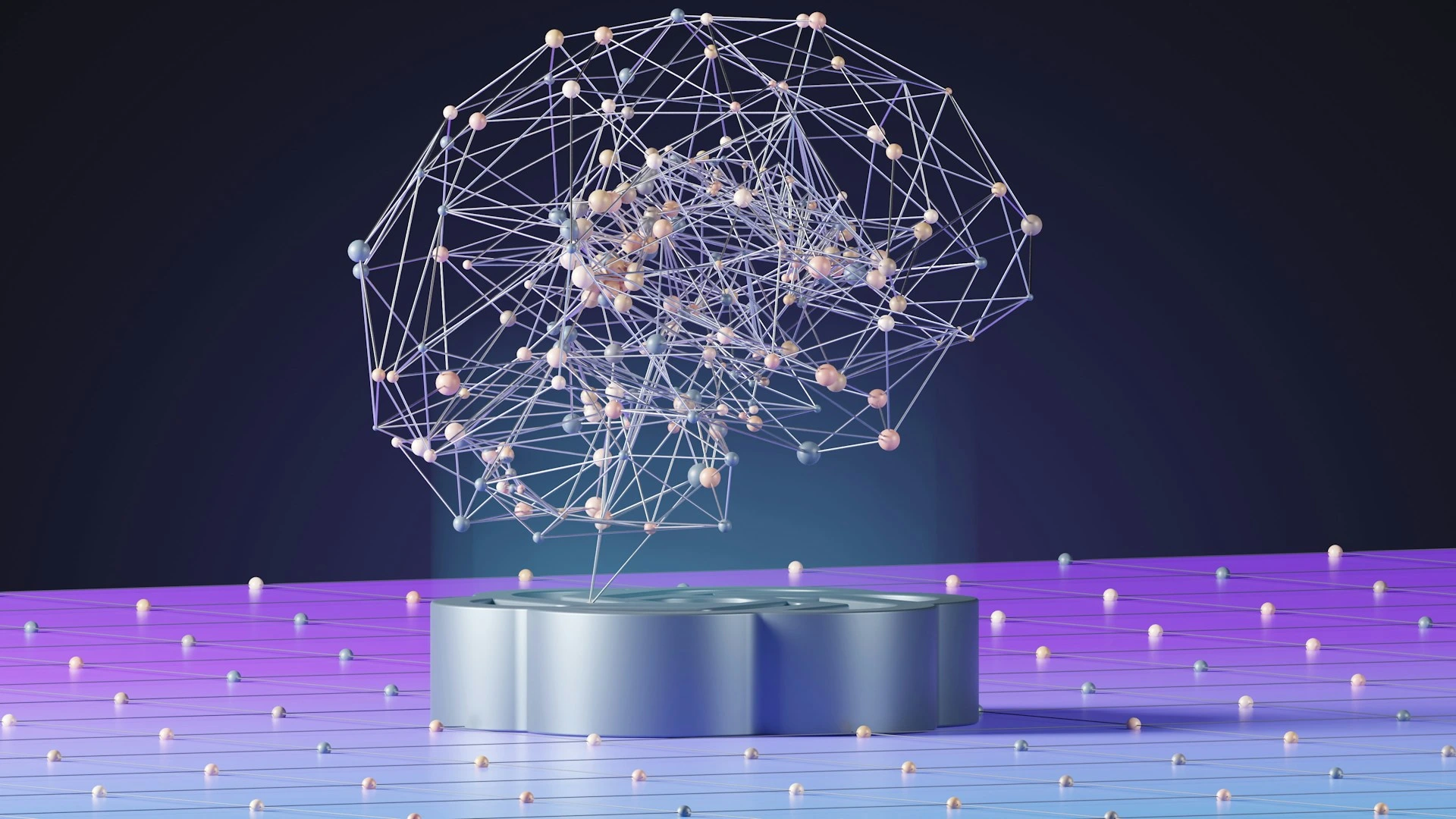
Photo by Growtika on Unsplash
Chinese AI Company DeepSeek Releases New Reasoning AI Model
- Written by Andrea Miliani Former Tech News Expert
- Reader’s Comments 1
The Chinese AI startup DeepSeek launched a preview of its newest model DeepSeek-R1-Lite yesterday.
In a Rush? Here are the Quick Facts!
- DeepSeek launched a preview of its latest model DeepSeek-R1-Lite
- The new model can reason and compete with OpenAI’s o1
- Users on social media have already tested and compared the model
According to TechCrunch , DeepSeek’s new AI model competes with OpenAI’ o1 , released in September. The intelligence is capable of reasoning, completing tasks, planning, and processing information before answering a user’s query.
DeepSeek-R1-Lite-Preview is web-based and available for everyone for free. The Chinese startup said the new model has been tested on the American Invitational Mathematics Examination (AIME) and MATH benchmarks. The company said that the API and open-source models will be released soon.
🚀 DeepSeek-R1-Lite-Preview is now live: unleashing supercharged reasoning power! 🔍 o1-preview-level performance on AIME & MATH benchmarks. 💡 Transparent thought process in real-time. 🛠️ Open-source models & API coming soon! 🌐 Try it now at https://t.co/v1TFy7LHNy #DeepSeek pic.twitter.com/saslkq4a1s — DeepSeek (@deepseek_ai) November 20, 2024
Multiple users on X have already tested the chatbot capabilities and shared results. “Nice release! I tested it on a few math, coding, and knowledge tasks. Lots of thoughts on this one,” said one user . “Deep Think is awesome, congratulations! Reading the inner thoughts removes the impression of a black box like OpenAI o1 and is fun to read. I am very impressed,” added another one .
Other users commented on the speed—the bot takes a few seconds to answer questions—but most agree that this model’s preview outperforms OpenAI o1’s preview.
DeepSeek was founded in 2023 , backed by the Chinese quantitative hedge fund High-Flyer Capital Management, and is committed to an open-source approach. They have already released multiple advanced AI models, including DeepSeek Coder V2—which beat GPT4 Turbo —and DeepSeek-V2.5.
Alibaba, one of DeepSeek’s Chinese competitors in the AI race, released over 100 open-source AI models in September.
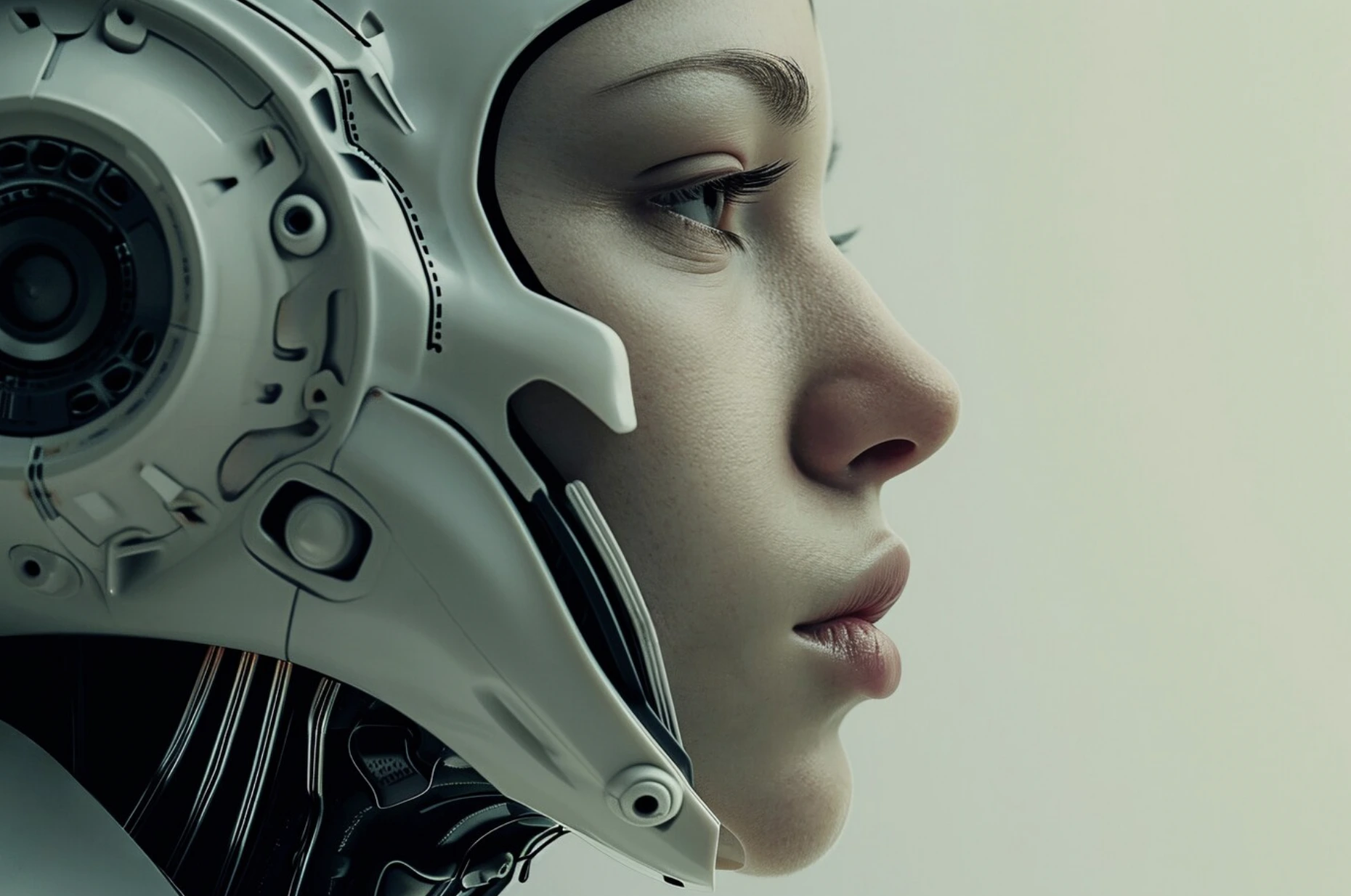
Image by Freepik
AI’s Role In Human Evolution: Smaller Brains And Social Changes Ahead
- Written by Kiara Fabbri Former Tech News Writer
- Fact-Checked by Sarah Frazier Former Content Manager
A new scientific review explores AI’s influence on human evolution, predicting changes in brain size, attention spans, and social behaviors.
In a Rush? Here are the Quick Facts!
- AI may accelerate trends towards smaller brains, attention spans, and mood-disorder susceptibilities.
- Human-AI interactions could impact social behaviors like intimacy, dating, and virtual friendships.
- Evolutionary changes from AI interactions likely small compared to cultural and well-being effects.
A new scientific review from the University of Chicago explores how AI could influence human evolution, particularly in terms of brain size, attention, social behaviors, and interpersonal dynamics.
Published in The Quarterly Review of Biology, the paper, titled How Might Artificial Intelligence Influence Human Evolution? , examines the potential evolutionary effects of everyday AI use and human-AI interactions.
Authored by Rob Brooks, the paper avoids overly dramatic scenarios like human extinction or assimilation by AI. Instead, it focuses on the more gradual and subtle evolutionary changes that could result from the increasing integration of AI into human lives, reports Phys.Org .
Brooks suggests that AI’s influence on human evolution might mirror the natural selection processes seen in domesticated animals, where certain traits are inadvertently or deliberately selected, says Phys.Org.
One key aspect of the paper is the comparison between human-AI interactions and interspecies relationships, such as predators and prey, or hosts and parasites.
According to Phys.Org, Brooks argues that just as these relationships have shaped the evolution of species, AI’s role in human society could similarly impact human evolution, especially in areas like matchmaking, intimacy, and social behaviors.
Brooks predicts several evolutionary trends resulting from AI’s influence, including a potential acceleration of the shift toward smaller brains, changes in attention spans, and the evolution of personality types and susceptibilities to mood disorders, says Phys.Org.
AI’s role in shaping social interactions, such as dating apps and virtual friendships, could also alter mating competition and intimacy-building behaviors, affecting human social evolution, reports Phys.Org.
However, the study notes that while AI’s effects on human life may be profound in terms of individual well-being and cultural evolution, its impact on gene frequencies and patterns of inheritance will likely be minor in comparison, as reported by Phys.Org.
Phys.Org says that Brooks emphasizes that predicting how AI will change humanity is a difficult task, and the evolutionary outcomes of these interactions are far from certain.
The book argues that the direction and rate of evolution can be hard to predict even for organisms kept under controlled conditions, highlighting the complexity of predicting human evolution in an AI-driven world, as reported by Phys.Org.
