Photo by AJITH S on Unsplash
ChatGPT’s Studio Ghibli-Inspired Images Go Viral, Raising Copyright Concerns
- Written by Andrea Miliani Former Tech News Expert
- Fact-Checked by Sarah Frazier Former Content Manager
Many social media users shared images created with a Studio Ghibli-style using ChatGPT this week, making it a viral trend. The high-quality images developed with OpenAI’s new tool have sparked debate on copyright use.
In a rush? Here are the quick facts:
- Studio Ghibli-style images created with ChatGPT went viral after OpenAI launched its new o4 image generation tool.
- Social media users shared AI-generated portraits and memes that mimic iconic Japanese animation.
- The trend raised new copyright concerns, as experts question how closely AI tools mimic copyrighted styles and content.
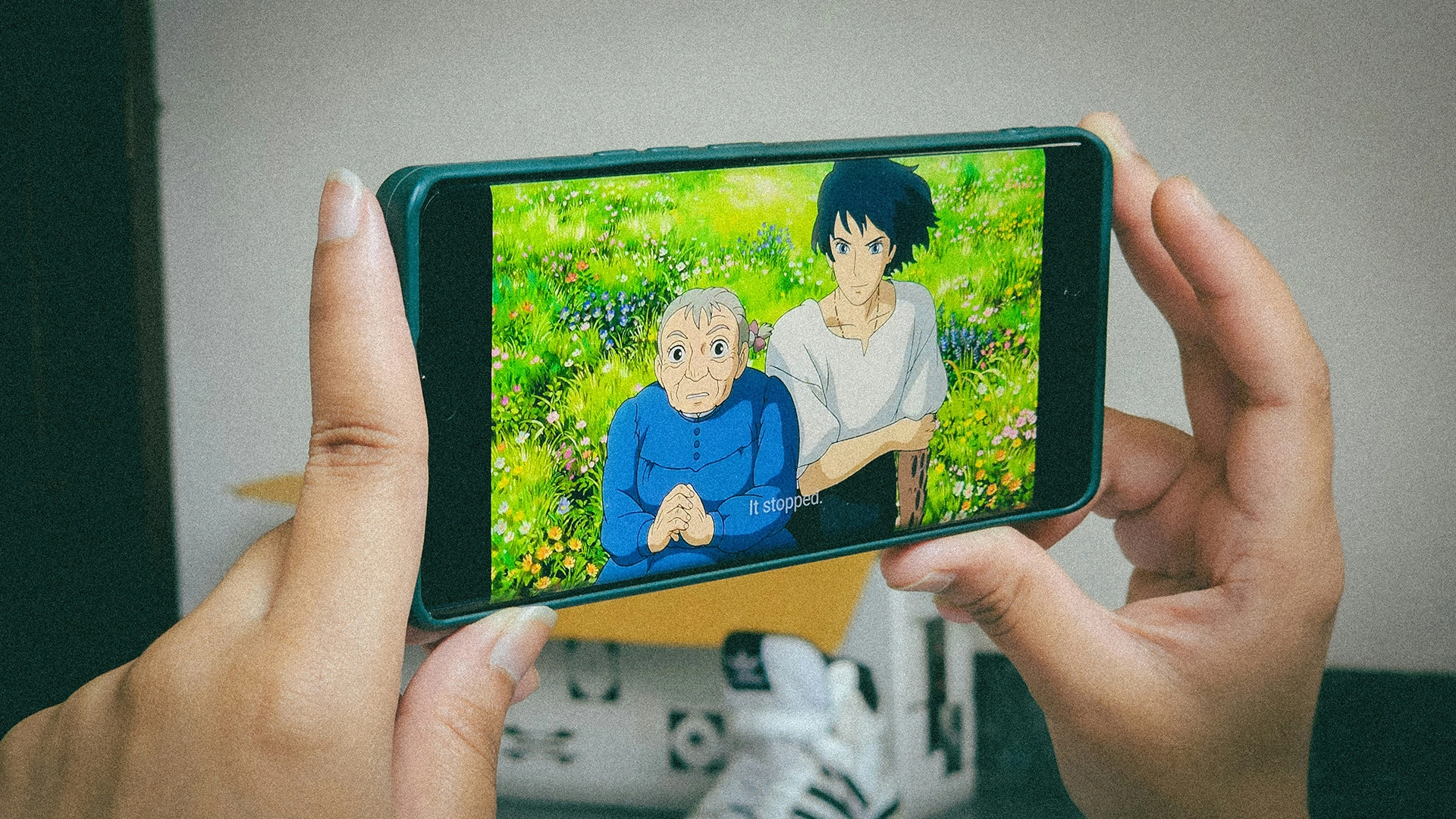
OpenAI released its latest AI image tool , o4 image generation, this Tuesday, and just a few hours after its launch, social media platforms were filled with the new trend: photographs transformed into a Ghibli-style—the popular Japanese animation studio—using ChatGPT.
tremendous alpha right now in sending your wife photos of yall converted to studio ghibli anime pic.twitter.com/FROszdFSfN — Grant Slatton (@GrantSlatton) March 25, 2025
Users shared everything from memes to family portraits, and the AI tool generated remarkable images with a stunning resemblance to the professional animations created by the Japanese studio, known for movies such as Spirited Away and My Neighbor Totoro.
“It’s called Ghibli vibe prompting. There’s an art to it.” pic.twitter.com/4e6cKWoMbU — PJ Ace (@PJaccetturo) March 26, 2025
According to TechCrunch , the latest viral trends regarding the use of AI, including the recent watermark removal trend, spark concerns over the way AI models are trained, suggesting that most of them use copyrighted works without consent.
Evan Brown, an intellectual property lawyer at the law firm Neal & McDevitt, told TechCrunch that style is not protected by copyright. However, to recreate these high-quality images, with the likeness they have, it is possible that OpenAI used millions of frames from Ghibli films to train the new o4 image generation.
Sam Altman, OpenAI’s CEO, changed this profile picture to a Ghibli style version someone made of him. Altman also acknowledged the success of the new tool. “Images in chatGPT are way more popular than we expected (and we had pretty high expectations),” he wrote in a post . “Rollout to our free tier is unfortunately going to be delayed for a while.”
images in chatgpt are wayyyy more popular than we expected (and we had pretty high expectations). rollout to our free tier is unfortunately going to be delayed for awhile. — Sam Altman (@sama) March 26, 2025
Other users have complained about artists’ protection and studios’ legacies. “Miyazaki spent his entire life building one of the most expansive and imaginative bodies of work, all so you could rip it off and use it as a filter for your vacation photos,” wrote one user . “Not just Miyazaki, all the artists and animators who’s ever worked for Nippon Animation, Studio Ghibli, Studio Ponoc over the years,” added another .
The debate over copyright and the use of new artificial intelligence tools is a hot topic with regulatory challenges. A few days ago, a U.S. federal judge ruled in favor of the artificial intelligence company Anthropic in response to a copyright lawsuit filed by several music producers.
Photo by Growtika on Unsplash
Google Patches Chrome Zero-Day Vulnerability Used In Espionage Campaign
- Written by Andrea Miliani Former Tech News Expert
- Fact-Checked by Sarah Frazier Former Content Manager
A new vulnerability in Google Chrome has been spotted by the cybersecurity firm Kaspersky. Google has confirmed the threat and issued an update including a security fix. Attackers targeted Russian journalists and educators for espionage purposes, as suggested by experts.
In a rush? Here are the quick facts:
- A new Chrome zero-day vulnerability, CVE-2025-2783, was found and patched after Kaspersky reported targeted attacks.
- Russian journalists and educators were targeted using phishing links tied to a fake conference invite.
- Windows users are encouraged to update the Chrome browser to the 134.0.6998.177/.178 version.
“We immediately reported to Google; the company promptly released a patch to fix it,” states the announcement. “It’s too early to talk about technical details, but the essence of the vulnerability comes down to an error in logic at the intersection of Chrome and the Windows operating system that allows bypassing the browser’s sandbox protection.”
Kaspersky explained that Russian users from educational institutions and media professionals received a fake invitation to the Primakov Readings international economic and political science forum that included personalized phishing links. The URLs redirected users to a legitimate Primakov Readings website, but malicious actors could change the behavior of the links to start a new attack at any time.
Google thanked Kaspersky’s team for the quick notice and assured that the threat has been managed. “We would also like to thank all security researchers that worked with us during the development cycle to prevent security bugs from ever reaching the stable channel,” wrote Google. “Access to bug details and links may be kept restricted until a majority of users are updated with a fix.”
Windows users are encouraged to update the Chrome browser to the 134.0.6998.177/.178 version to avoid similar attacks.
A few days ago, Microsoft warned users about StilachiRAT malware used on Google Chrome extensions to access cryptocurrency wallets.
