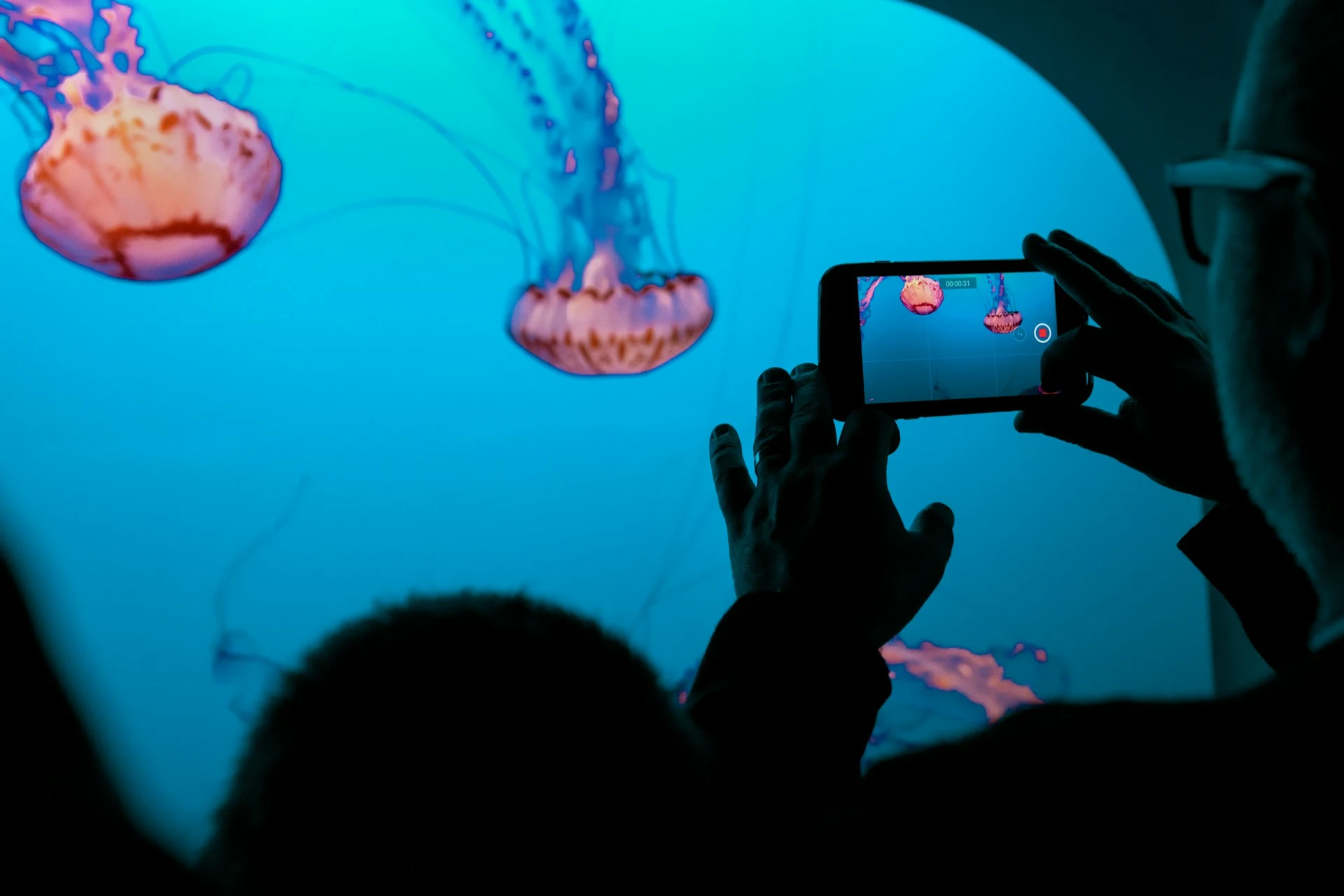
Photo by Tim Mossholder on Unsplash
ByteDance Launches AI Video Creator To Compete Against OpenAI’s Sora
- Written by Andrea Miliani Former Tech News Expert
- Fact-Checked by Justyn Newman Former Lead Cybersecurity Editor
TikTok’s parent company, ByteDance, launched a new AI tool called Jimeng AI that can generate videos from text prompts this week. ByteDance joins the competition to create the best text-to-video software against companies like OpenAI with Sora, and Canva.
According to Reuters , Jimeng AI has been developed by another ByteDance company, Faceu Technology, and is already available for Android—released earlier on July 31— and now iOS in China.
In the region, Jimeng AI will be competing against another text-to-video model called Kling AI, released last month by one of China’s largest video apps Kuaishou. This model is already available worldwide and users just need to share an email to register. Another competitor is Ying—also released last month— by the Chinese startup Zhipu AI.
Jimeng AI is not free. Users can pay 69 yuan—around $9.50— for a monthly subscription, 79 yuan—around $11— for just one month, or 659 yuan—around $92— for a year. On its website , the company features realistic animations of jellyfish swimming and funny clips like a Zebra with sunglasses underwater and a rock band of astronauts playing music on the moon.
In the U.S. Sora— released earlier this year — has already been making an impact even in Hollywood for its impressive video results. Toys R’ Us created its first AI commercial using the AI tool, becoming the first brand to do this in June.
According to TechRadar , Jimeng AI—which translates to “dream” in English— the AI-video tool could be a big threat to Sora as the company is linked to the popular TikTok app. Its capabilities and app connections are yet to be seen, but its quick expansion could develop soon if they extend the app to other territories especially considering that Sora is not available to the public yet.
ByteDance is still under the U.S. government’s radar during the legal dispute and bill to ban TikTok in the country. The Justice Department and Federal Trade Commission (FTC) also filed a lawsuit last week against Tiktok for violating children’s privacy.
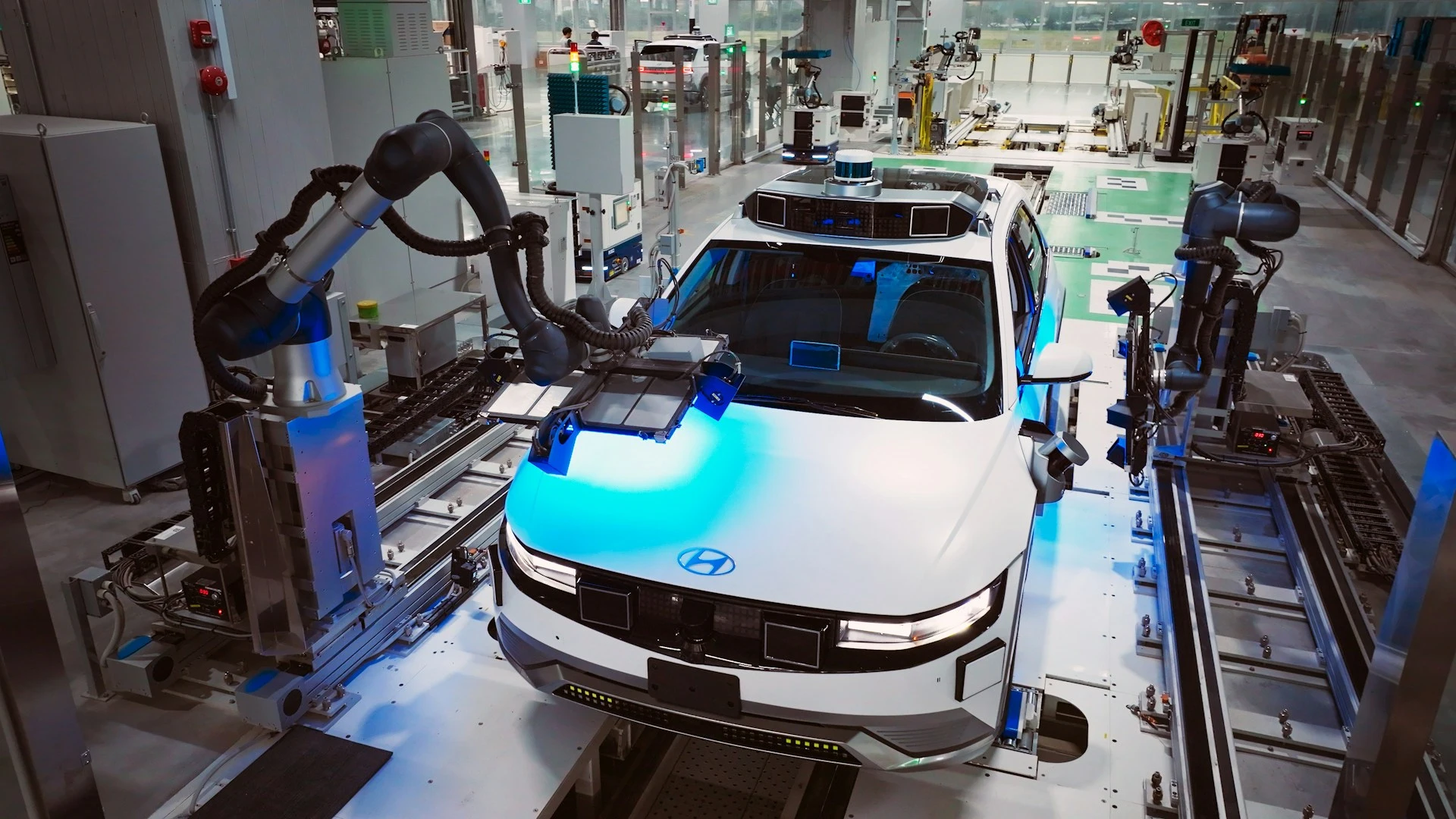
Photo by Hyundai Motor Group on Unsplash
Drivers In China Worry About Robotaxis Boom During Trial
- Written by Andrea Miliani Former Tech News Expert
- Fact-Checked by Justyn Newman Former Lead Cybersecurity Editor
Taxi drivers and ride-hailing drivers are concerned about the boom in robotaxis in multiple cities in China. According to Reuters , the Chinese government allowed an aggressive trial period, letting companies deploy hundreds of self-driving vehicles in around 19 cities in the country.
The United States has been more cautious and has suspended services and is currently investigating cases from companies like Zoox and Waymo after accidents registered with self-driving cars. China, on the other hand, has quickly issued permits and recently approved seven companies to test robotaxis including WeRide AutoX—backed by Alibaba—, Pony.ai—backed by the Japanese Toyota Motors—, Apollo Go, and SAIC Motor.
Pony.ai has 300 self-driving vehicles up and running and expects to reach 1,000 by 2026. Apollo Go expects to expand to 1,000 robotaxis in 100 cities by 2030. The official total number of self-driving vehicles has not been shared.
“Everyone will go hungry,” said Liu Yi, one of China’s 7 million registered ride-hailing drivers to Reuters. He began driving part-time after the construction business slowed down due to the unsold apartments crisis and now he predicts another one for taxi drivers.
As reported by Reuters, robots have also taken human driver instructor jobs in the industry since 2019 as now more driving schools have integrated robot teachers—also preferred by multiple students.
Xun Tianchen, from the Economist Intelligence Unit, said that officials are observing closely and that the Chinese government will probably intervene and set limits and also help drivers find new jobs.
In the United States, the government hasn’t allowed Chinese companies to test self-driving cars in American territory, but multiple American companies have deployed their models in cities like Phoenix, Los Angeles, and San Francisco.
Tesla has been one of the largest companies interested in expanding robotaxi services in the United States, but the company hasn’t progressed as fast as promised . Elon Musk, Tesla’s CEO, has talked about unveiling the “Tesla Robotaxi” service, but it has been delayed.
