
Image by L.C. Nøttaasen, from Flickr
Brazil Sued TikTok, Kwai, And Meta For Minors’ Safety Concerns
- Written by Kiara Fabbri Former Tech News Writer
- Fact-Checked by Justyn Newman Former Lead Cybersecurity Editor
In a Rush? Here are the Quick Facts!
- The lawsuits demand 3 billion reais ($525 million) in damages from the companies.
- The Institute claims platforms lack adequate protections for minors using social media.
- Social media regulation debates are heating up globally over minors’ safety and addiction issues.
Brazil’s Collective Defense Institute, a consumer rights group, has filed two lawsuits against the Brazilian branches of TikTok, Kwai, and Meta Platforms. The institute alleges that these companies have failed to prevent minors from indiscriminately using their platforms, as reported by Reuters today.
The lawsuits seek 3 billion reais (approximately $525 million) in damages, asserting that these social media giants have not taken adequate steps to protect minors and ensure their safety on these platforms, said Reuters.
“It is urgent that measures be adopted in order to change the way the algorithm works, the processing of data from users under 18, and the way in which teenagers aged 13 and over are supervised and their accounts created, in order to ensure a safer, healthier experience … as is already the case in developed countries,” said lawyer Lillian Salgado to Reuters.
The Brazilian government’s scrutiny follows similar global trends. The UK Parliament, for instance, is currently considering legislation to regulate young people’s smartphone use to curb social media addiction and its potential negative impacts.
If passed, this bill would establish stricter rules governing minors’ use of mobile phones and social media. However, some academics warn that while restrictions may help reduce addiction, they might also limit children’s access to the educational and social benefits of digital technology.
in response to brazil’sban Meta Platforms stated that it aims “young people to have safe and age-appropriate experiences on our apps, and we have been working on these issues for over a decade, developing more than 50 tools, resources, and features to support teens and their guardians,” noted Reuters.
Meta also announced a new “Teen Account” on Instagram, set to launch soon in Brazil, which will automatically restrict which accounts teens can view and who may contact them, said Reuters.
Meanwhile, TikTok reported that it has not received any notification about the case, while Kwai, a short-video platform, reiterated that user safety, particularly for minors, is one of its top priorities, noted Reutes.
This lawsuit comes just weeks after President Luiz Inácio Lula da Silva stated that Brazil would consider banning online betting websites if new regulations fail to address gambling addiction.
As the global conversation on regulating social media and smartphone use continues, finding a balance between protecting young users and ensuring access to beneficial technology is becoming more critical.
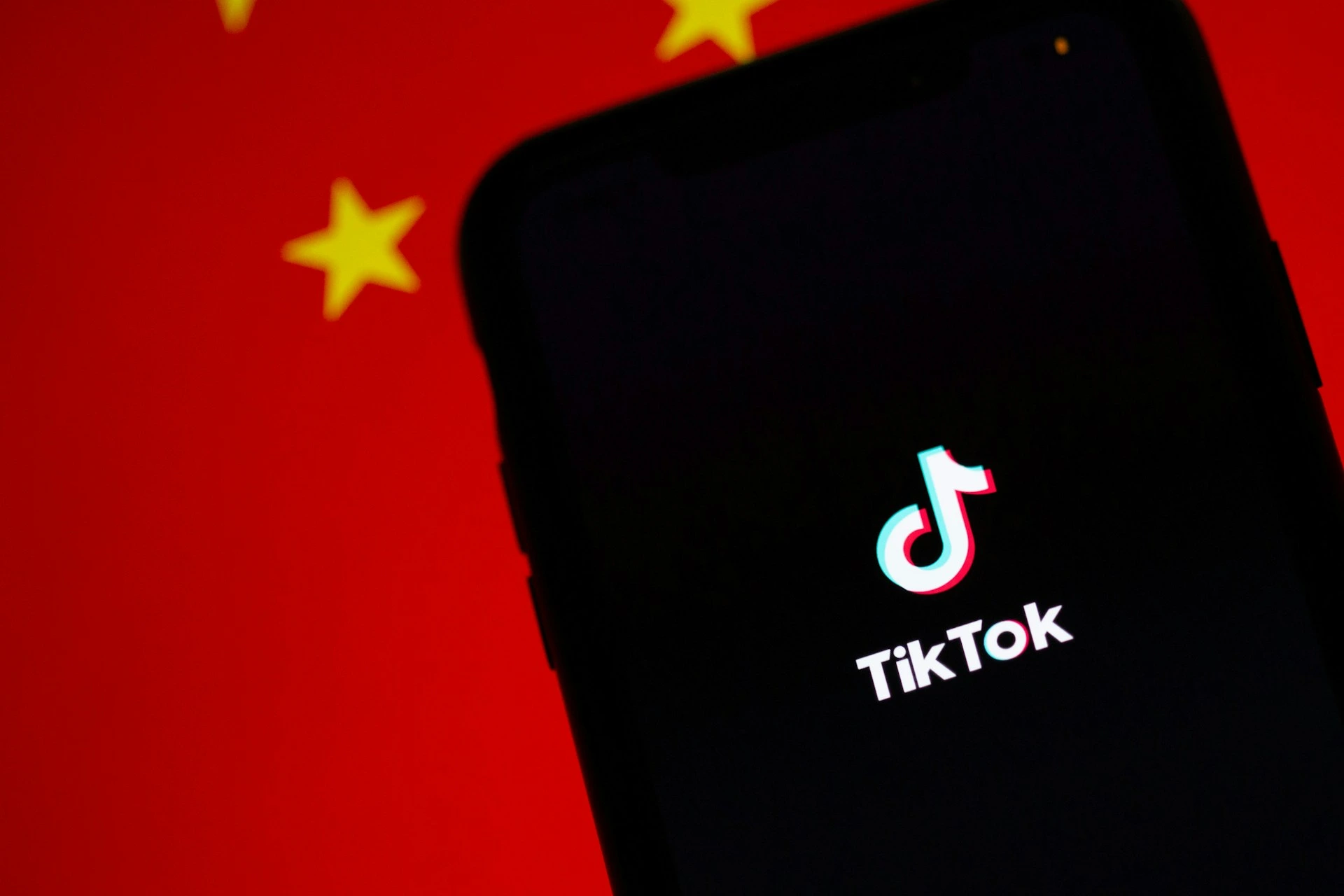
Photo by Solen Feyissa on Unsplash
TikTok Founder Is Now China’s Richest Man
- Written by Andrea Miliani Former Tech News Expert
- Fact-Checked by Justyn Newman Former Lead Cybersecurity Editor
In a Rush? Here are the Quick Facts!
- Bytedance founder Zhang Yiming is China’s richest man in 2024
- Zhang’s net worth is now $49.3bn, 43% higher than last year
- In 2023, ByteDance’s global revenue grew 30% despite lawsuits and other challenges
The Hurun Research Institute released its latest ranking, the Hurun China Rich List 2024, this Tuesday and revealed that Zhang Yiming, the founder of ByteDance—TikTok’s parent company—, is at the top of the list with a personal wealth of $49.3 billion.
According to Reuters , Zhang performed better than his counterparts in renewables and real estate. China’s richest man is 41 years old and in 2021 resigned from his position as chief executive of ByteDance.
Zhang moved four slots up to first place compared to the previous year, surpassing China’s bottled water magnate Zhong Shanshan. According to Hurun’s report , Zhang’s company performed significantly better than last year: “ByteDance’s global revenue grew 30% last year to US$110 billion, with users in the US of its TikTok app closing in on 200 million.”
The document also states that there are 1,094 Chinese citizens with over $700 million, but that this number has been decreasing. China lost 432 billionaires within the past 5 years.
Despite all the recent challenges for the company, like a ban in the European Union and multiple lawsuits in the United States , Bytedance has been thriving in the past year, making his creator richer. Zhang‘s net worth increased 43% compared to 2023.
And other tech company founders keep thriving as well. According to the Forbes 400 list of America’s richest people published a few days ago, at the top of the list is Elon Musk—for the third year in a row—with an estimated net worth of $244 billion, followed by Jeff Bezos with $197 billion and Mark Zuckerberg with $181 billion.
