
Photo by Evgeny Opanasenko on Unsplash
Brazil and Elon Musk’s Confrontation Escalates as Starlink Could Be Sanctioned
- Written by Andrea Miliani Former Tech News Expert
- Fact-Checked by Justyn Newman Former Lead Cybersecurity Editor
Brazil has threatened new sanctions against Elon Musk’s satellite internet company Starlink. According to Reuters , the country’s telecoms regulator Anatel could soon punish Starlink for not blocking domestic access to X.
Last Friday, the Supreme Court in Brazil, under Judge Alexandre de Moraes’s ruling, ordered to suspend access to the social media platform X across the country. Moraes also announced daily fines of up to $10,000 to those who use VPNs to access the platform.
Despite the high price of the fine, VPN usage has significantly increased in the past few days according to TechRadar , making it difficult for the government to track all users.
“De Moraes deserves prison for his crimes,” wrote Musk on X , along with multiple complaints about the judge’s ruling.
Starlink is the only telecommunication company that told Anatel that it will not comply with the judge’s order, according to declarations from Anatel commissioner Artur Coimbra. Coimbra also explained that Starlink said that it would not block X until the government stopped freezing its Brazilian bank accounts. The accounts were frozen after X refused to pay the fines ordered by the Brazilian justice institutions.
The president of Brazil, Luiz Inacio Lula da Silva, has backed Judge Moraes’ decisions. “The Brazilian judiciary may have given an important signal that the world is not obliged to put up with Musk’s far-right ideology just because he is rich,” said Lula in an interview with CNN this week.
According to CNBC, the dispute between Elon Musk and Brazil has been going on for months, since the government required X to block popular accounts on its platform in April and the company refused. Now the country has municipal elections in October, and the conflict has escalated. X recently removed its staff from Brazil.
Elon Musk’s companies have not been the only tech giants dealing with disagreements with the Brazilian government, Meta withdrew its AI services in the country in July.
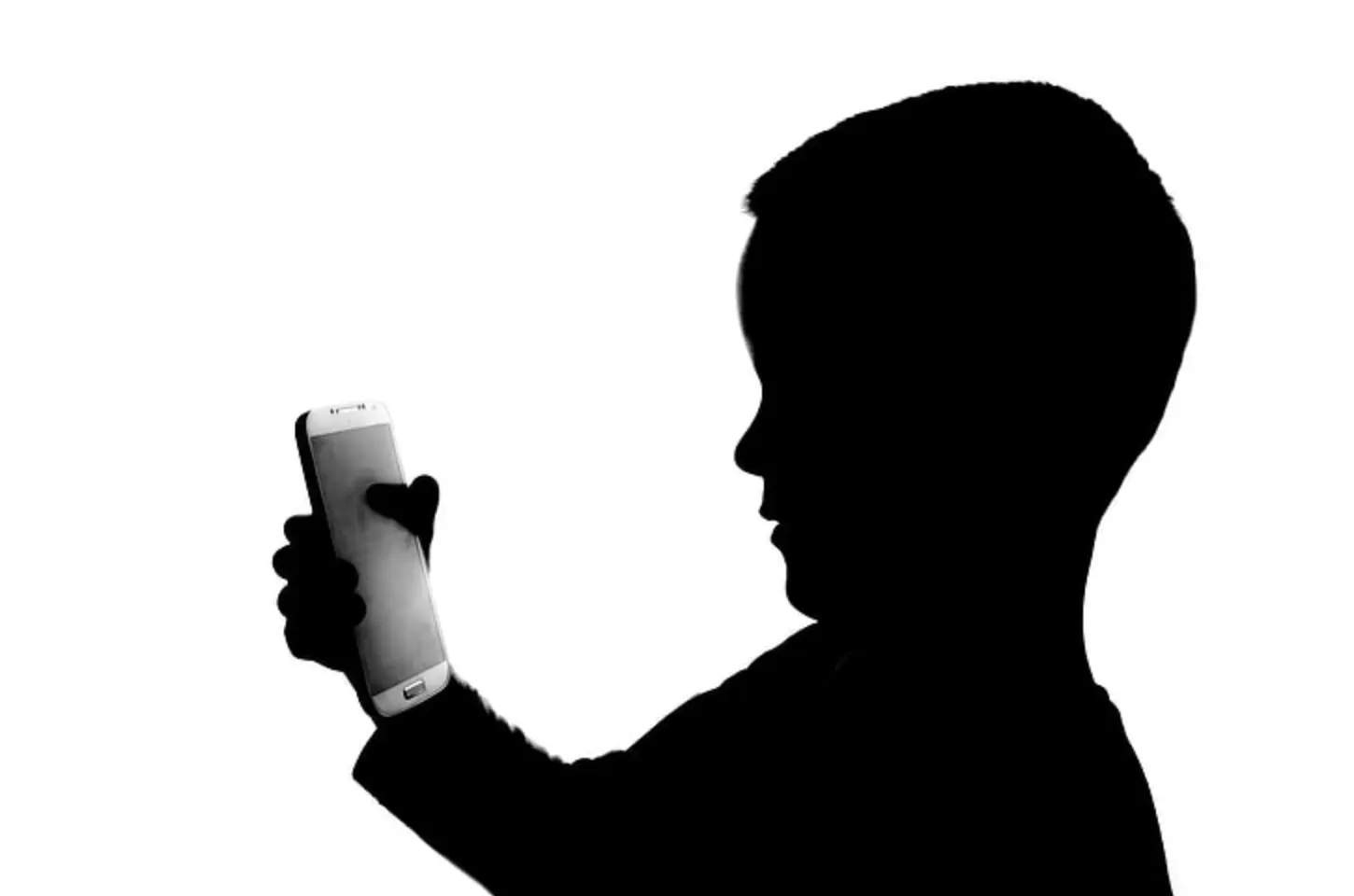
Image from Pickpik
Sweden’s New Screen Time Guidelines: No Screens For Kids Under Two
- Written by Kiara Fabbri Former Tech News Writer
- Fact-Checked by Justyn Newman Former Lead Cybersecurity Editor
According to recent guidelines announced Monday by Sweden’s public health authority, Folkhälsomyndigheten, children under the age of two should not be exposed to any screens whatsoever. This includes television, computers, tablets, and smartphones.
By limiting screen exposure , especially for young children, parents can help create a healthier digital environment for their kids to grow and develop.
The guidelines recommendations suggest that screens should not be used before bedtime, and devices like mobile phones and tablets should be kept out of the bedroom during the night. It also suggests to ensure that digital media doesn’t take the place of essential activities such as sleep, physical exercise, relationships, meals, and schoolwork.
For young children aged 2-5, screen time should be limited to a maximum of 1 hour per day, while children aged 6-12 should use screens for no more than 1-2 hours, and those aged 13-18 should limit their screen time to 2-3 hours daily.
Additionally, the guidelines suggest that age limits for social media and games should be respected. Parents are encouraged to actively monitor and discuss the content their children engage with on digital media and to establish agreed-upon rules for screen time.
The guidelines also state that it is important for parents to be aware that their own screen habits can influence both their interactions with their children and their children’s screen habits. Lastly, it’s recommended that children under the age of 2 avoid using screens as much as possible.
The guidelines cite research showing that excessive screen use can lead to poor sleep, depression as well as body dissatisfaction.
“We know that use of digital media can have negative health effects, including worsened sleep and symptoms of depression,” said Jakob Forssmed, the minister of social affairs, as reported by The Guardian . “Children’s health is paying the price for tech companies’ profits,” added Forssmed.
These concerns arise during a period when it’s quite common for children of all ages to interact with digital devices in various ways.
According to a recent report by the Pew Research Center, parents are increasingly concerned about their children’s excessive screen time. This worry is fueled by the prevalence of digital devices in children’s lives.
For instance, 80% of parents report that their children aged 5 to 11 use tablets, and 63% say the same about smartphones. Even for children under 5, these numbers are significant, with 48% using tablets and 55% using smartphones.
However, it is important to acknowledge that social media can also have positive benefits for young people, as reported by a recent report by the National Library of Medicine. It can help them connect with others who share their interests, access important information, and express themselves creatively. For marginalized groups, social media can provide a supportive community and promote mental health.
To address concerns about digital device usage, parents should follow recommended screen time guidelines. This can help ensure children’s well-being and promote healthy digital habits while also recognizing the positive aspects of social media.
