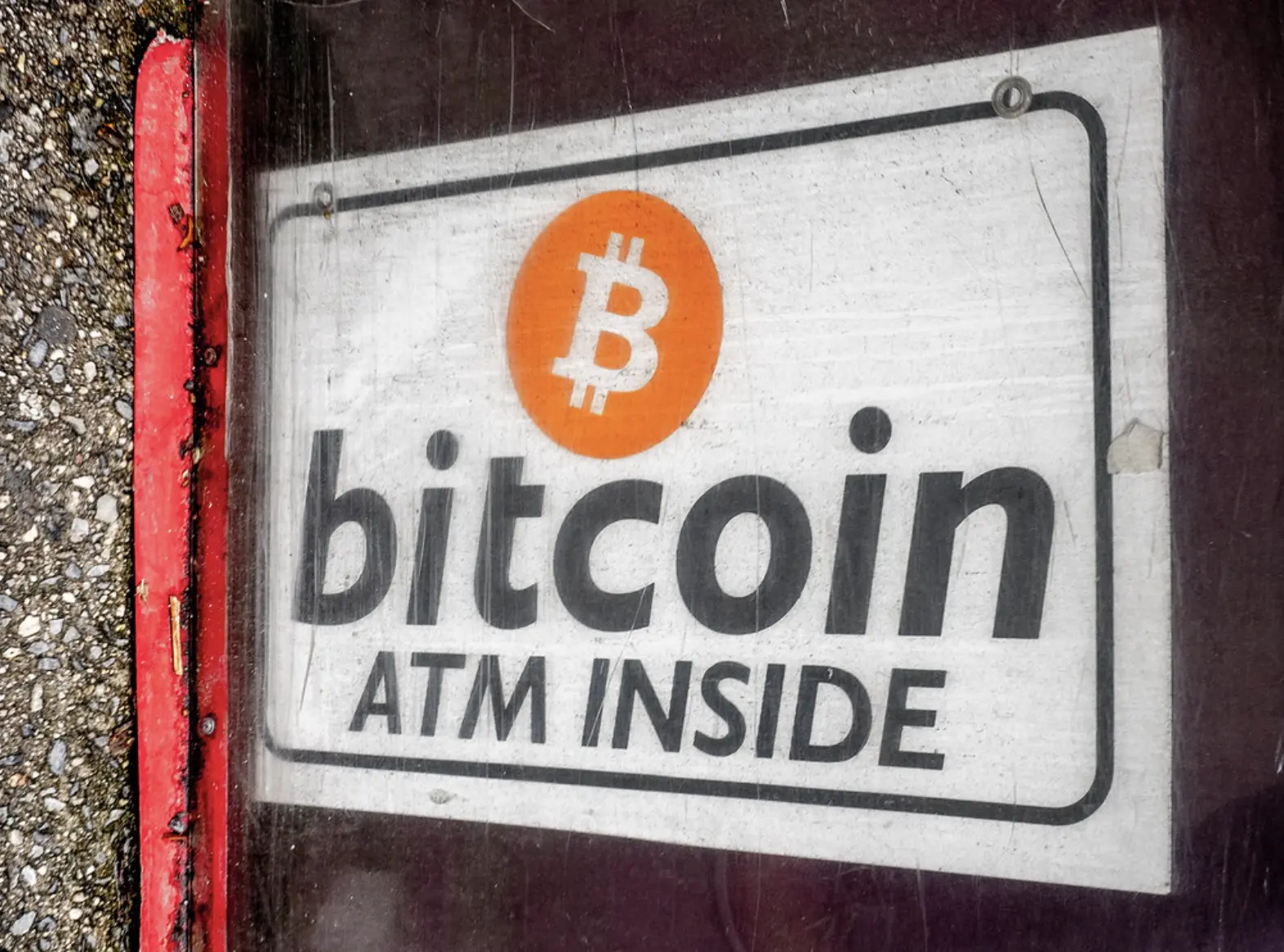
Image by ajay_suresh from Flickr
Bitcoin ATMs: A Gateway for Scammers?
- Written by Kiara Fabbri Former Tech News Writer
- Fact-Checked by Justyn Newman Former Lead Cybersecurity Editor
The Federal Trade Commission (FTC) released today a report highlighting a rise in fraud at Bitcoin ATMs. While these machines enable users to convert cash into cryptocurrency, they have increasingly become a tool for scammers to commit fraud.
According to the FTC Consumer Sentinel Network, fraud losses at BTMs have skyrocketed in recent years, reaching over $65 million in just the first half of 2024. This represents a significant increase from previous years, indicating that scammers are increasingly turning to BTMs as a means of carrying out their schemes.
Cryptocurrency has emerged as a major payment method for scams, particularly in fake investment opportunities. However, its use has expanded to a variety of other scams, with BTMs facilitating this shift, as noted by the FTC.
The report states that one common scam involves scammers impersonating government agencies or financial institutions and claiming that the victim’s account has been compromised. The scammers then instruct the victim to withdraw cash and deposit it into a BTM, claiming that this will protect their funds.
Another common scam involves scammers sending victims fake security warnings or error messages, often impersonating companies like Microsoft or Apple, notes the FTC.
These messages may claim that the victim’s computer is infected with malware or that their account has been hacked. The scammers then instruct the victim to take action, such as depositing money into a BTM, to resolve the issue.
The FTC report notes that older adults are especially vulnerable, with those aged 60 and over being more than three times as likely as younger individuals to report a loss involving a BTM. In fact, two-thirds of the total reported losses from BTM scams came from this age group.
The FTC advises the public to watch out for common tricks used by scammers. They note that it’s important not to click on links or respond directly to unexpected calls, messages, or computer pop-ups.
Additionally, the FTC warns against withdrawing cash from a bank account in response to an unexpected request, as scammers often use this method to steal money.
Finally, the FTC suggests that any suggestion to use a Bitcoin ATM to protect money or fix a problem should be ignored. Legitimate businesses and government agencies will never make such requests.

Photo by Evgeny Opanasenko on Unsplash
Brazil and Elon Musk’s Confrontation Escalates as Starlink Could Be Sanctioned
- Written by Andrea Miliani Former Tech News Expert
- Fact-Checked by Justyn Newman Former Lead Cybersecurity Editor
Brazil has threatened new sanctions against Elon Musk’s satellite internet company Starlink. According to Reuters , the country’s telecoms regulator Anatel could soon punish Starlink for not blocking domestic access to X.
Last Friday, the Supreme Court in Brazil, under Judge Alexandre de Moraes’s ruling, ordered to suspend access to the social media platform X across the country. Moraes also announced daily fines of up to $10,000 to those who use VPNs to access the platform.
Despite the high price of the fine, VPN usage has significantly increased in the past few days according to TechRadar , making it difficult for the government to track all users.
“De Moraes deserves prison for his crimes,” wrote Musk on X , along with multiple complaints about the judge’s ruling.
Starlink is the only telecommunication company that told Anatel that it will not comply with the judge’s order, according to declarations from Anatel commissioner Artur Coimbra. Coimbra also explained that Starlink said that it would not block X until the government stopped freezing its Brazilian bank accounts. The accounts were frozen after X refused to pay the fines ordered by the Brazilian justice institutions.
The president of Brazil, Luiz Inacio Lula da Silva, has backed Judge Moraes’ decisions. “The Brazilian judiciary may have given an important signal that the world is not obliged to put up with Musk’s far-right ideology just because he is rich,” said Lula in an interview with CNN this week.
According to CNBC, the dispute between Elon Musk and Brazil has been going on for months, since the government required X to block popular accounts on its platform in April and the company refused. Now the country has municipal elections in October, and the conflict has escalated. X recently removed its staff from Brazil.
Elon Musk’s companies have not been the only tech giants dealing with disagreements with the Brazilian government, Meta withdrew its AI services in the country in July.
