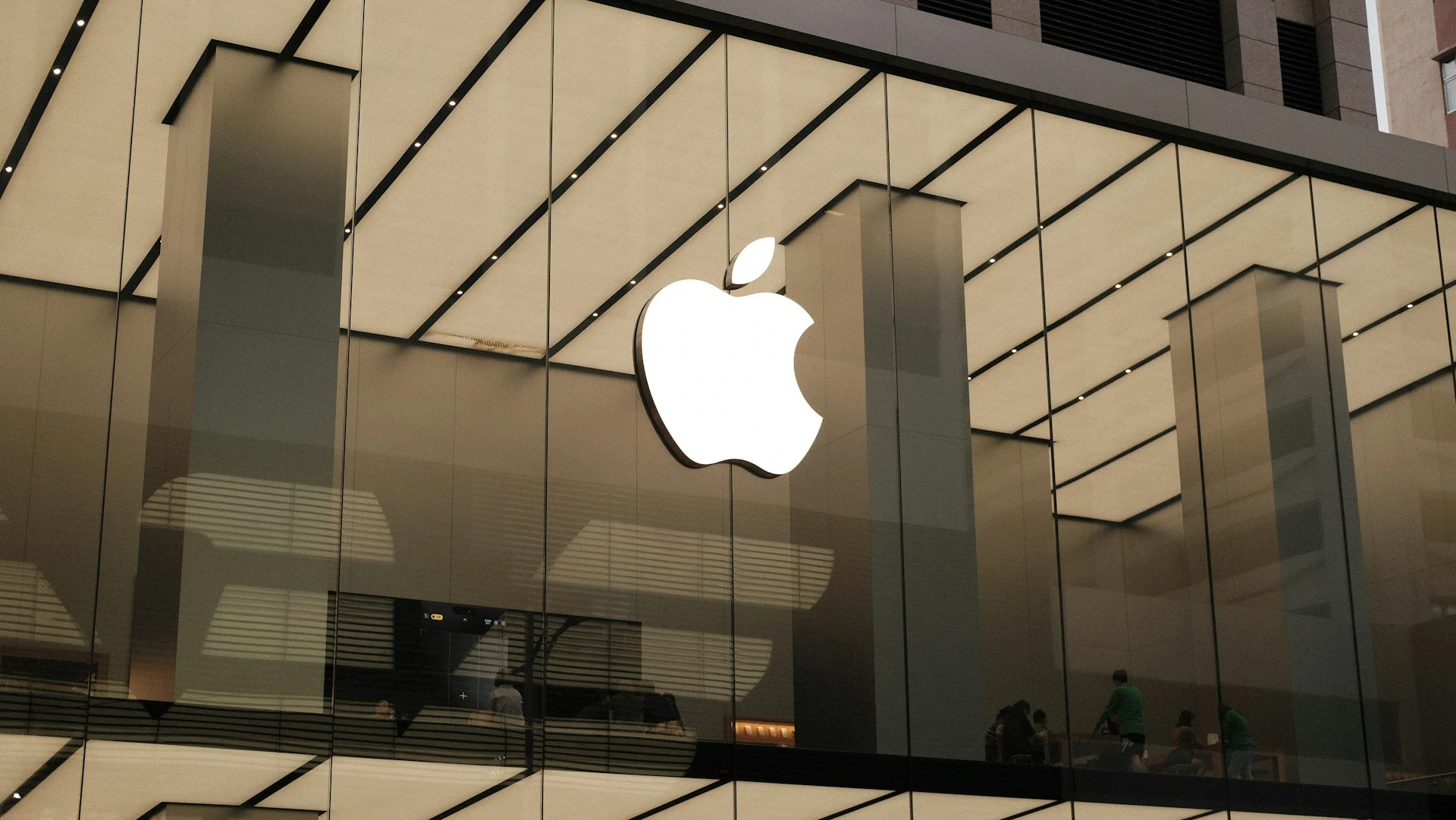
Photo by Pao Pattarapol on Unsplash
Big Websites Opt Out Of Apple Intelligence Training
- Written by Andrea Miliani Former Tech News Expert
Multiple publishers, media organizations, and social media networks have requested to be excluded from Apple’s AI training program for Apple Intelligence, Applebot-Extended, which the company launched a few months ago.
According to Wired , big websites and organizations like The New York Times, Instagram, Facebook, USA Today, The Atlantic, The Financial Times, Condé Nast, and Vox Media, have confirmed to refuse access to their content.
Apple launched Applebot in 2015, a web crawler—an automated program to browse content and analyze data—to train its assistant Siri and its search feature Spotlight. The new extension, Applebot-Extended, launched in June is being used to train the company’s AI products.
“With Applebot-Extended, web publishers can choose to opt out of their website content being used to train Apple’s foundation models powering generative AI features across Apple products, including Apple Intelligence, Services, and Developer Tools,” states the document shared by Apple in June, where it also adds the code to disallow Applebot-Extended.
Multiple websites have opted out in an attempt to protect their data and intellectual property, but, since it’s a new web crawler, not too many websites have done this yet.
The Canadian startup Originality AI analyzed traffic from 1,000 websites with high traffic and only 7% were blocking the bot. Google and OpenAI have also launched new web crawlers to train their AI products. According to data journalist Ben Welsh, 53% of the news websites they recently analyzed block OpenAI’s bot, which launched in September last year. Welsh told Wired that the number of websites blocking these web crawlers to train AI has been gradually increasing.
As a strategy to reach agreements regarding data protection and copyright with the major publications in the market, OpenAI has been negotiating new deals. The company recently announced new partnerships with large media companies like Condé Nast , TIME , and News Corp .

Photo by Solen Feyissa on Unsplash
OpenAI Says ChatGPT Has Over 200 Million Weekly Users
- Written by Andrea Miliani Former Tech News Expert
OpenAI announced this Thursday that ChatGPT has reached over 200 million active users every week. According to Reuters , the AI company also mentioned that 92% of Fortune 500 companies use their products.
The number of active users has doubled from last year. Sam Altman, OpenAI CEO, said that their chatbot, launched in 2022, had reached 100 million weekly active users in November.
Now, considering the use of API, alliances with multiple companies, and all of its models the company keeps expanding across the world. According to The Verge, OpenAI spokesperson Taya Christianson has confirmed the information and explained that the API usage has doubled after the startup launched GPT-4o Mini, an optimized cheaper model.
“People are using our tools now as a part of their daily lives, making a real difference in areas like healthcare and education—whether it’s helping with routine tasks, solving hard problems, or unlocking creativity,” said CEO Sam Altman to Axios .
This report was publicly revealed during the same week the startup is negotiating its growth strategy as OpenAI is currently discussing a new deal —including tech giants like Microsoft and led by the investment firm Thrive Capital. If the deal goes on, it will soon raise the company’s valuation to $100 billion or more.
Other big tech companies have recently reported large active user numbers as well. In July, WhatsApp reached 100 million active users a month in the United States, and it also reported that it has over 500 million active users in India. Microsoft Teams has reached 320 million monthly active users while Google Workspace has around 3 billion a month. Meta’s chatbot’s reach has also increased and the AI product has now over 400 million monthly active users.
The chatbot competition has increased and other companies like Perplexity, Meta, and Microsoft keep trying to reach larger audiences, but OpenAI seems to keep staying ahead of the AI assistant race .
