
Photo by Johnny Bhalla on Unsplash
Australia Approves Social Media Ban for Children, Tech Companies Must Comply
- Written by Andrea Miliani Former Tech News Expert
Australia approves the bill to ban social media for children under 16 this Thursday night, one of the strictest regulations across the globe.
In a Rush? Here are the Quick Facts!
- The Australian parliament approved the bill to ban social media access for children under 16
- Prime Minister Albanese expressed his content with the decision
- TikTok Spokesperson said they were “disappointed” with the Australian government
According to Reuters , Australians and tech companies reacted with mixed emotions after learning the news as the debate was still heated earlier this week and has been discussed for months.
On Tuesday, tech giants like Meta and Google urged the government to delay the bill until more data and analysis were made, but the Australian parliament, after considering many arguments, approved the measure led by Prime Minster Anthony Albanese.
“Platforms now have a social responsibility to ensure the safety of our kids is a priority for them,” said Albanese today. “We’re making sure that mums and dads can have that different conversation today and in future days.”
Watch | Australian Prime Minister Anthony Albanese said on November 29 that social media platforms now have a responsibility to ensure the safety of children, after the country’s parliament passed a bill banning those under the age of 16 from using the services pic.twitter.com/CRC1Gu5o9g — Forbes India (@ForbesIndia) November 29, 2024
Albanese stands by his initiative and considers that this is the best alternative to protect children from the risks and damages they face when using social media. Tech companies insist that it was a rushed move but will comply.
“The task now turns to ensuring there is productive consultation on all rules associated with the Bill to ensure a technically feasible outcome that does not place an onerous burden on parents and teens and a commitment that rules will be consistently applied across all social apps used by teens,” said a spokesperson from Meta to CNN .
A spokesperson from TikTok said they remain concerned about the risks. “We’re disappointed the Australian government has ignored the advice of the many mental health, online safety, and youth advocacy experts who have strongly opposed the ban,” they said to Reuters.
Social media platforms that don’t comply with the new law will face fines of up to $32 million.
The new age verification system will begin its trial period in January and the ban will take effect in a year.
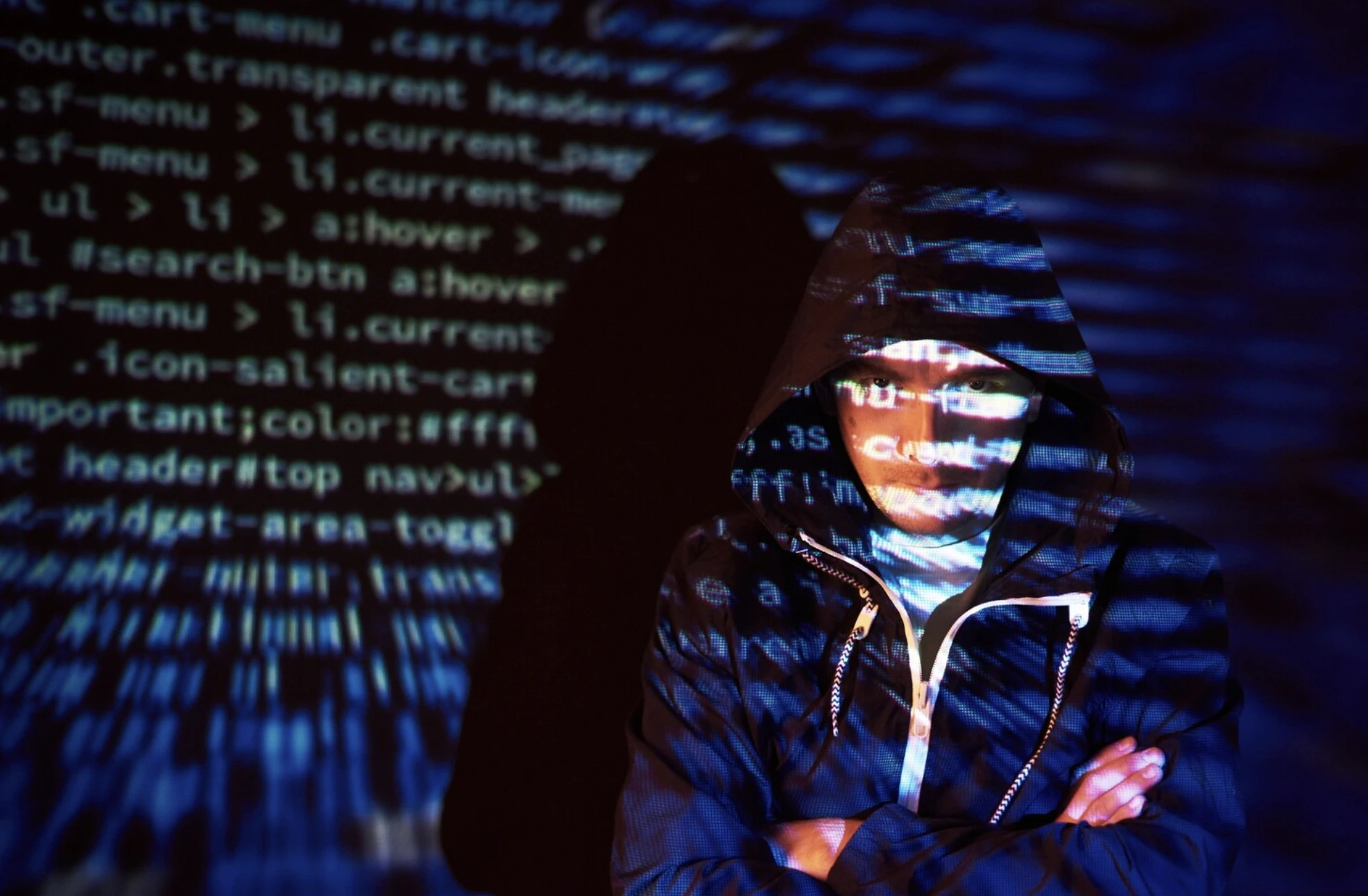
Image by standret, from Freepik
AI-Powered Ransomware Fuels Cybercrime
- Written by Kiara Fabbri Former Tech News Writer
- Fact-Checked by Sarah Frazier Former Content Manager
AI tools enhance ransomware tactics, targeting critical sectors like healthcare, with the U.S. leading detections. Nation-state actors expand global threats.
In a Rush? Here are the Quick Facts!
- RansomHub is the most active ransomware group, responsible for 13% of detections.
- The U.S. leads global ransomware targets, with 41% of Trellix detections focused there.
- Critical sectors like healthcare and education are prime targets for ransomware attacks.
AI-Driven Ransomware Escalates Cyber Threat Landscape Amid Global Conflicts The rise of AI-based tools tailored for criminal activity is reshaping the cyber threat landscape, as highlighted by recent research from the Trellix Advanced Research Center, as first reported by Help Net Security (HNS).
Global conflicts, such as Russia’s invasion of Ukraine and the Israel-Hamas war, have intensified cyberattacks and hacktivist activities, further complicating an already volatile environment, notes HNS.
AI-powered ransomware tools are a significant development, enabling cybercriminals to adopt more sophisticated tactics.
These tools enhance the spread of ransomware and improve evasion techniques, particularly against endpoint detection and response (EDR) systems.
One such tool, EDRKillShifter, has been employed by the ransomware group RansomHub, which accounted for 13% of Trellix detections, making it the most active group, as reported by HNS.
The ransomware ecosystem has diversified, with smaller groups gaining prominence. LockBit, Play, Akira, and Medusa collectively account for less than 40% of all detected attacks, says HNS.
This decentralization highlights the need for organizations to stay vigilant and adapt their defense strategies. According to John Fokker, Head of Threat Intelligence at Trellix, the surge in generative AI use by cybercriminals presents new challenges.
“The last six months delivered AI advancements, from AI-driven ransomware to AI-assisted vulnerability analysis, evolving criminal strategies, and geopolitical events, which have reshaped the cyber landscape. Resilience planning has never been more important for cybersecurity teams,” Fokker stated, as reported by HNS.
Critical sectors, including healthcare , education , and infrastructure , remain prime targets for ransomware attacks.
In the US, which received 41% of Trellix ransomware detections, these sectors face increasing pressure. The dark web market for AI-driven tools , such as Radar Ransomware-as-a-Service, underscores the growing demand for advanced criminal technologies, says HNS.
North Korea-aligned group Kimsuky has also doubled its activity, with government, financial, and manufacturing sectors being primary targets.
As cybercrime evolves, organizations must enhance resilience planning and invest in advanced defenses to counter these sophisticated threats.
