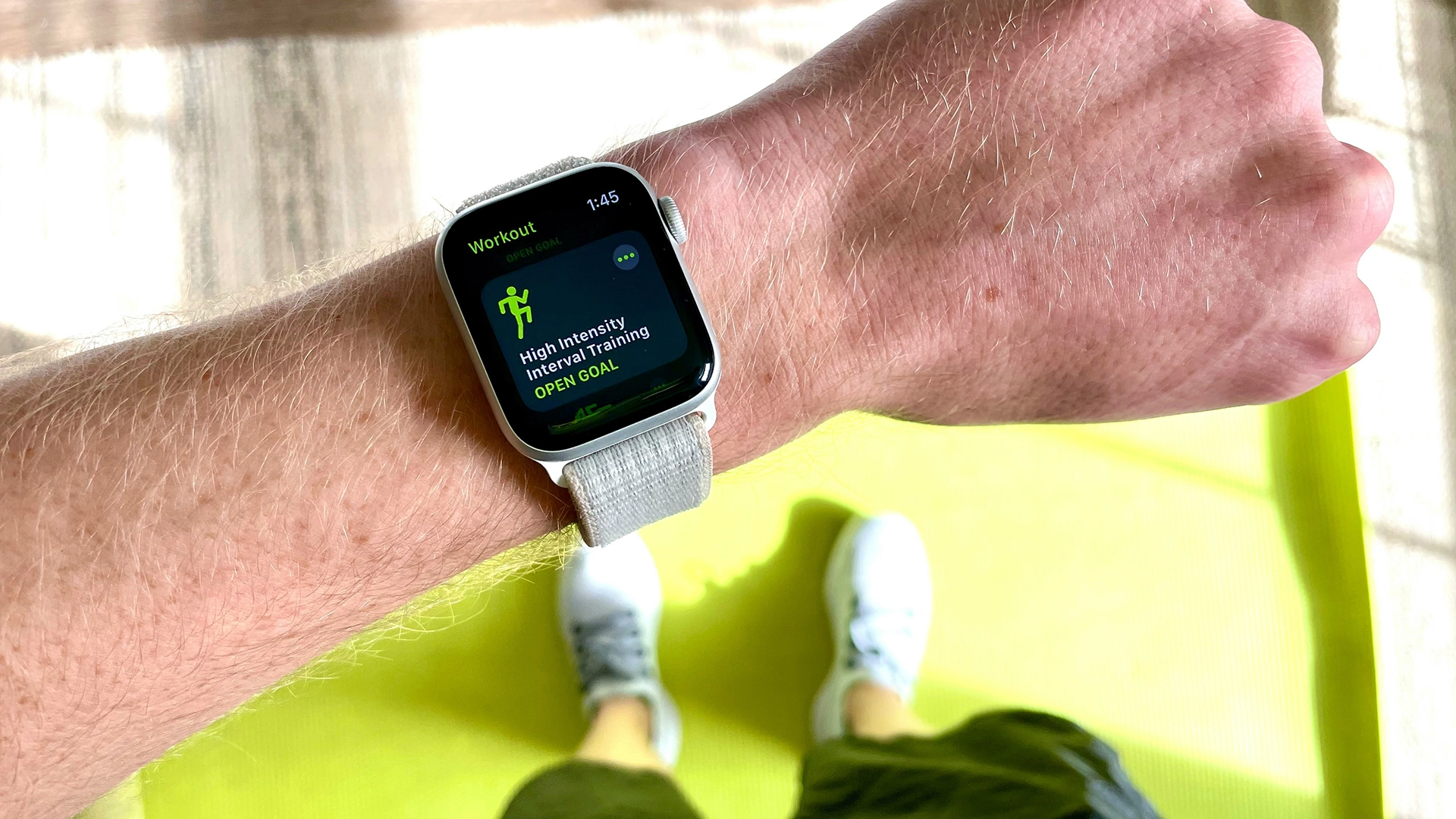
Image by Blocks Fletcher, from Unsplash
Apple Upgrades Health App With AI Personalized Coaching
- Written by Kiara Fabbri Former Tech News Writer
- Fact-Checked by Sarah Frazier Former Content Manager
Apple advances its health technology capabilities through new updates to its Health app, introducing AI-powered health coaching which provides customized health guidance.
In a rush? Here are the quick facts:
- Apple is launching an AI-powered health coach in its revamped Health app.
- The AI coach provides personalized wellness recommendations based on user health data.
- The update includes food tracking and exercise technique analysis via device cameras.
Bloomberg explains that this initiative, known internally as Project Mulberry, will allow the updated Health app to collect data from iPhones, Apple Watches, and third-party health devices.
Users will receive personalized health improvement suggestions from the AI coach which analyzes the collected data. Users with irregular heart rate patterns will receive recommendations and heart health educational material as part of the system’s suggestions.
Bloomberg notes that a new facility located near Oakland, California will provide physicians with a location to create video content for the app. The company wants to identify a prominent medical personality who will host the new service which internal Apple staff have given the tentative name “Health+.”
Additionally, Bloomberg reports that Apple introduced extensive food tracking features to its app. Through its enhanced nutritional tracking system Apple plans to challenge the dominance of established services such as MyFitnessPal.
Furthermore, Bloomberg said that Apple is planning to use device cameras to analyze users’ exercise techniques to give feedback on how to improve their workouts. This functionality could integrate with Apple’s existing Fitness+ platform, giving users a more interactive and corrective exercise experience.
According to Bloomberg, the Health app updates combined with the AI coach will arrive as part of iOS 19.4 during the spring or summer of the following year.
The new development continues Apple’s work to embed health capabilities within its product range. The Apple Watch added sleep apnea detection in watchOS 11, which recently gained FDA clearance .
Additionally, Apple recently received FDA clearance for its Hearing Aid feature in AirPods Pro 2 which became the initial over-the-counter hearing aid software. The feature functions to enhance particular sounds such as speech and environmental noise in real-time.
Apple’s AI health features may however raise cybersecurity concerns, such as, data breaches, AI manipulation, third-party vulnerabilities, unauthorized sharing, and biometric data exploitation.
For instance, a 2023 Duke University report revealed that data brokers sold mental health data, including diagnoses like depression, anxiety, and bipolar disorder. Some brokers also included sensitive details such as names and addresses.
As Apple continues to innovate in the health space, these new AI-powered updates may provide users with personalized and interactive health experiences. However, as with any advancement, the company must address potential privacy concerns, and ensure that user data remains protected.
Image by Jakob Owens, from Unsplash
YouTube Demonetized AI-Generated Fake Movie Trailers
- Written by Kiara Fabbri Former Tech News Writer
- Fact-Checked by Sarah Frazier Former Content Manager
YouTube has taken action against two major fake movie trailer channels, Screen Culture and KH Studio, by disabling their ability to earn ad revenue.
In a rush? Here are the quick facts:
- YouTube demonetized Screen Culture and KH Studio for misleading AI-generated movie trailers.
- YouTube requires creators to significantly alter borrowed material to avoid misleading content.
- Some Hollywood studios allowed AI trailers to generate revenue instead of enforcing takedowns.
The action follows an investigation by Deadline , who looked into two YouTube channels which produce fake movie trailer content through AI visual effects resembling official film promotion materials.
Deadline explained that Screen Culture operated by Indian owner Nikhil P. Chaudhari has become highly successful through its authentic trailer videos that attract millions of viewers and earn substantial advertising revenue.
The channel generates authentic teasers for upcoming films by adding AI-made effects to actual movie footage. Similarly, KH Studio creates fictional alternate versions of popular films.
As the head of a dozen editors Chaudhari states that his channel exists to produce “videos that were as close to an official trailer as a concept trailer could be,” he said, as reported by Deadline. However, the channel’s rapid success has also raised concerns about misleading audiences.
As a consequence of this investigation, YouTube chose to demonetize these channels because their policy requires creators must “significantly” change borrowed material in order to make it original.
The platform establishes a rule against any content that tricks viewers through manipulated footage.
KH Studio’s founders defended itself stating that : “I’ve been running KH Studio full-time for over three years now, putting everything into it. It’s tough to see it grouped under ‘misleading content’ in the demonetization decision, when my goal has always been to explore creative possibilities – not to misrepresent real releases,” they said, as reported by Deadline .
Despite these rules, Deadline discovered that some Hollywood studios, including Warner Bros. Discovery and Sony have not enforced copyright takedown notices on these AI-generated trailers despite their rules. The studios declined to comment.
The problem of fake movie trailers has persisted for multiple years because AI technology now provides the means to produce realistic high-quality video content. The creators such as Chaudhari see their activities as promotional tools but the critics maintain these promotional materials dilute traditional marketing and lead audiences astray, as noted by Deadline.
Recently a viral fan-made trailer that reimagines The Lord of the Rings through Studio Ghibli animation style was produced using AI technology . Viewers praised its creative approach, but the development sparked new worries about AI-generated content ethics when it duplicates established artistic styles.
The YouTube crackdown on Screen Culture and KH Studio forces the platform to confront fundamental questions about AI’s place in entertainment production and digital content ethical limits.
