
Photo by Olga Zhushman on Unsplash
Apple To Launch AI-Powered Smart Glasses By 2026
- Written by Andrea Miliani Former Tech News Expert
- Fact-Checked by Sarah Frazier Former Content Manager
Apple is reportedly developing AI-powered smart glasses and it prepares to enter the market with new customized wearable devices, aiming to release the first models by 2026.
In a rush? Here are the quick facts:
- Apple is reportedly developing new smart glasses, with a planned release date by 2026
- The tech giant aims to compete with Meta, Google, and other companies in the smart glasses market.
- The new devices are expected to feature the latest AI technology, integrating cameras, microphones, and speakers, and allowing users to perform basic tasks.
According to a Bloomberg report , Apple has been focusing on building glasses with advanced technology to compete against other tech giants in the field—such as Meta—and expects to deliver multiple prototypes by the end of the year.
Anonymous sources told Bloomberg reporter and Apple expert Mark Gurman that the new devices are expected to include microphones, cameras, speakers, and Siri’s voice assistant to process and analyze external information.
Apple’s new smart glasses will also integrate advanced AI technology, allowing users to perform tasks such as playing music, making phone calls, providing detailed directions, and performing live translations.
The iPhone maker is adopting a strategy similar to that of other companies by entering the smart glasses market . Last year, Snap introduced its AR glasses Spectacles; Meta introduced Orion, and, more recently, Aria Gen 2 ; and Google just announced its latest updates on its upcoming smart glasses.
Apple’s glasses are internally codenamed N401, a code referring to a broad project in the category. The tech giant also expects to develop wearable devices capable of including augmented reality features, but these are part of a longer-term initiative.
Gurman also added that Apple had been working on including cameras on its Apple Watch devices with a planned release by 2027, but people familiar with the matter told the journalist that the project has been cancelled. However, the team responsible for developing new AirPods technology keeps exploring the possibility of integrating cameras into the earbuds.
The tech giants remain focused on developing devices that can include the latest AI capabilities and revolutionize the industry. OpenAI, one of Apple’s largest competitors, announced this week the acquisition of io , an AI design company created by former Apple designer Jony Ive, and revealed they are developing a new AI-powered device.
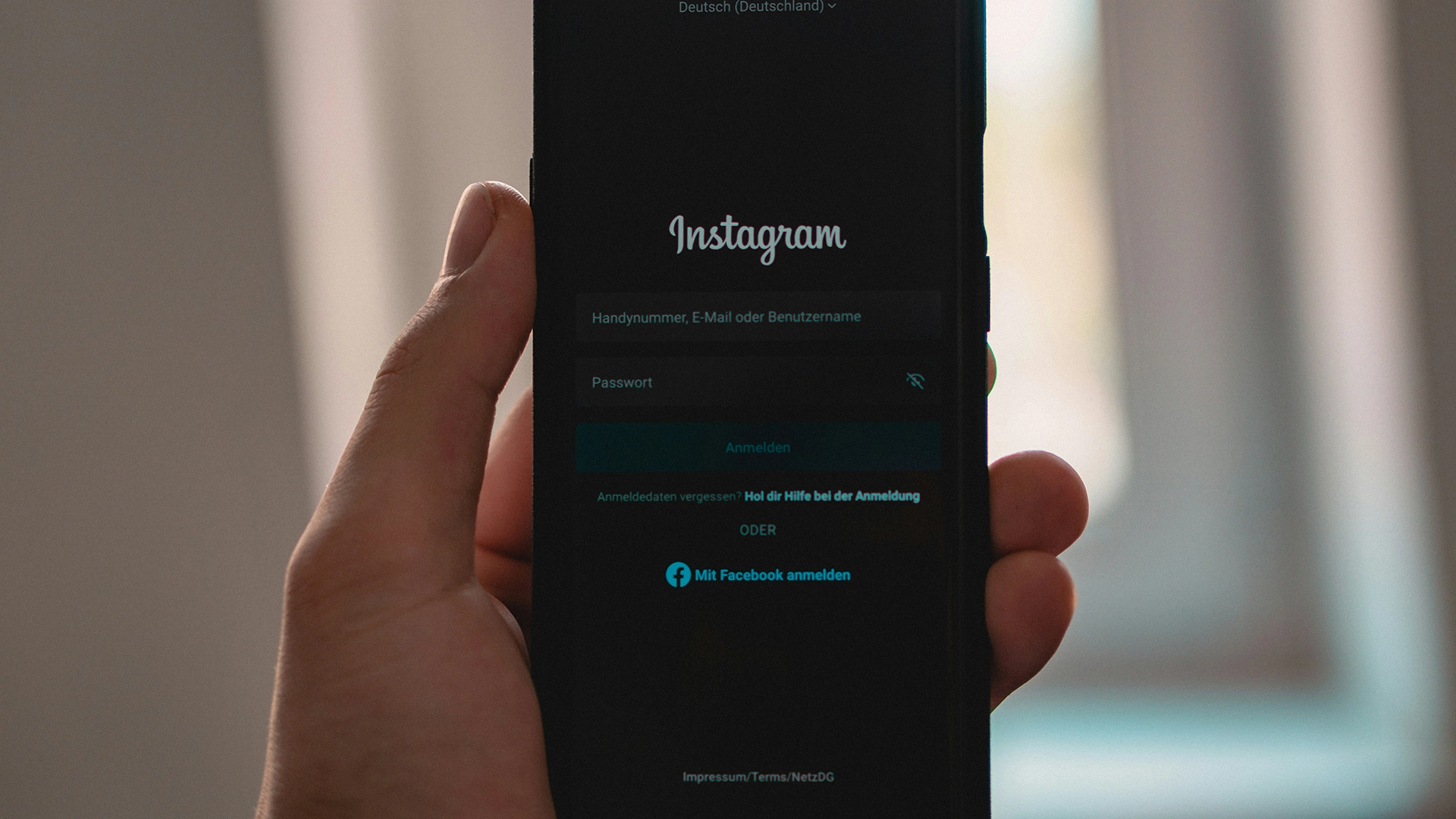
Image by Cedrik Wesche, from Unsplash
Massive Database Leak Exposes 184 Million Login Records From Major Platforms
- Written by Kiara Fabbri Former Tech News Writer
- Fact-Checked by Sarah Frazier Former Content Manager
A huge unsecured database leaked 184 million login credentials, including government emails, risking identity theft and widespread cyber attacks worldwide.
In a rush? Here are the quick facts:
- Data included usernames and plain-text passwords from Apple, Google, Facebook.
- Government accounts from 29 countries were part of the leaked data.
- The database was likely compiled by hackers using infostealer malware.
A huge database containing 184 million login details—including accounts from Apple, Google, Facebook, and many others—was recently discovered online, as revealed in a report by WIRED . The leak included usernames and plain-text passwords, putting millions of people and dozens of government accounts at risk.
WIRED reports that security researcher Jeremiah Fowler discovered the unsecured Elastic database during early May. Fowler described this incident as remarkable because it involved an enormous number of different accounts.
“This is probably one of the weirdest ones I’ve found in many years,” he told WIRED. “As far as the risk factor here, this is way bigger than most of the stuff I find, because this is direct access into individual accounts. This is a cybercriminal’s dream working list,” he added.
Fowler believes the hackers obtained the data through malware known as an infostealer, which steals login information from compromised computers.
“It’s the only thing that makes sense, because I can’t think of any other way you would get that many logins and passwords from so many services all around the world,” Fowler told WIRED.
The database operated from World Host Group’s servers. The server operated under fraudulent control until the company shut it down.“Our legal team is reviewing any information we have that might be relevant for law enforcement,” said CEO Seb de Lemos, as reported by WIRED.
Though the leak is closed, experts warn the exposed login credentials could already have been stolen and misused for fraud or identity theft.
