Apple to Allow Rivals Access to Its Tap-and-Go Payment Services in the EU
- Written by Shipra Sanganeria Cybersecurity & Tech Writer
- Fact-Checked by Justyn Newman Former Lead Cybersecurity Editor
Apple settled a long-running European Union (EU) antitrust probe by agreeing to open its “tap to pay” service to rivals, the European Commission announced this week . This decision permits banks, payment services, and app developers to use Apple’s near-field communication, or NFC technology to create competing tap-and-go payment services on iPhones within the EU.
“Apple has committed to allow rivals to access the ‘tap and go’ technology of iPhones,” Margrethe Vestager, the European Commission’s executive vice president, in charge of competition policy, said in a statement.
The concession follows a major EU investigation launched in 2020 to assess whether Apple was exploiting its dominant position in the mobile wallet technology market to exclude competing payment service providers.
By May 2022, a preliminary investigation by the commission indicated that Apple’s actions had sidelined rivals to Apple Pay, limiting innovation and consumer choice in iPhone mobile wallets.
In response to these findings and to avoid potentially substantial fines, Apple proposed in January of this year to grant third-party mobile wallet and payment service providers access to the contactless payment function within its iOS operating system.
The European Commission then tested and gathered feedback on Apple’s proposal to ensure it addressed competition concerns. Apple adjusted its proposal based on this feedback, which has now been approved as legally binding by the Commission.
“Today’s decision makes Apple’ commitments binding,” continued Vestager. “From now on, competitors will be able to effectively compete with Apple Pay for mobile payments with the iPhone in shops. So consumers will have a wider range of safe and innovative mobile wallets to choose from.”
The settlement deal will be applicable throughout the European Economic Area (EEA) and will remain in force for ten years. It will not be applicable to Apple watches.
Reuters reports that Apple will offer developers in the EEA the ability to integrate NFC contactless payments and transactions into their iOS applications for uses in car keys, corporate badges, hotel keys, and concert tickets.
Lately, Apple has come under heightened scrutiny from the European regulatory authority over allegations of anti-competitive practices in the music streaming market and breaches of EU competition laws.
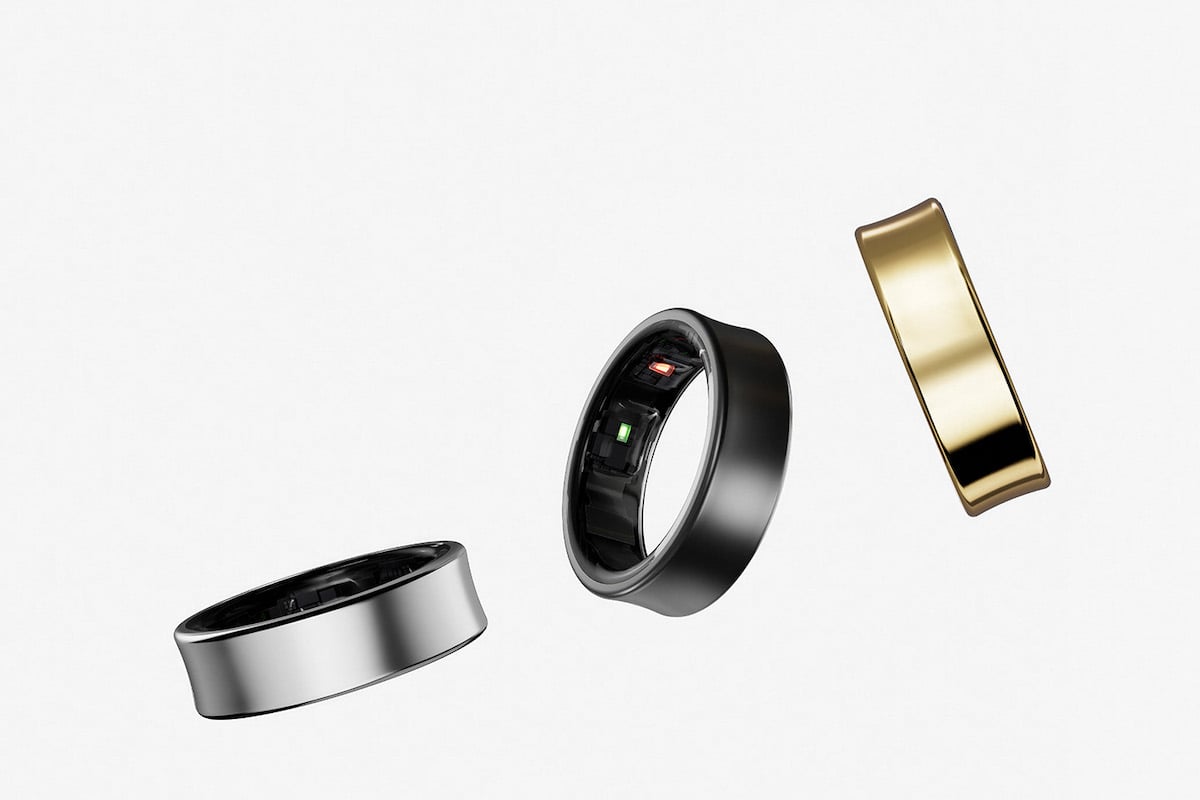
Image shared by Samsung
Samsung Launches Its First AI-Powered Smart Ring With Biometric Health Monitoring
- Written by Andrea Miliani Former Tech News Expert
- Fact-Checked by Justyn Newman Former Lead Cybersecurity Editor
Samsung officially announced on Wednesday its new Galaxy Ring, as part of its new additions to its wearable portfolio. The new AI-powered product will track users’ biometric health, can be worn all day, and will connect to Samsung’s smartphones and watches. The model can be purchased in three different color choices—gold, black, and silver—, from sizes 5 to 13.
“Galaxy Ring delivers a straight-forward approach to wellness, offering health monitoring, tracking, and personalized insights while worn comfortably on a finger, even while asleep,” states the document. The ring is water resistant and has a Titanium grade 5 finish, and its battery can last for up to 7 days.
Among its main uses, Samsung has highlighted the wearable’s wellness features like a powerful sleep AI algorithm for sleep quality tracking—considers snoring analysis, heart and respiratory rates, moving, and sleep latency to provide a Sleep Score—, Cycle Tracking for women’s menstrual cycle—including skin temperature monitoring—, Energy Scores—considers physical state and improvements—, Auto Workout Detection, and a Heart Rate Alert feature for unusual heart rates in real-time.
Users will get wellness tips, notifications, and reports with comprehensive data and personalized interests through the Samsung Health App. The Galaxy Ring will include new gestures to take photos with the connected smartphone—with a double pinch— and dismiss alarms.
According to The Verge , the new wearable will be available for sale starting at $399.99. The Galaxy Ring is competing against other smart rings like the popular Oura Ring with a few advantages and disadvantages—like the ring being Android only.
The Verge’s journalist Victoria Song tested the ring and shared positive feedback and a few thoughts. “The Galaxy Ring’s success hinges on two things: accurate tracking and good battery life,” wrote Song, “Samsung could very well take the lead in the smart ring category.”
Samsung has been regaining relevance in the smartphone market globally and is now expanding to wearables. Soon, users should be able to compare and tell if Samsung’s new smart ring will also take the lead in the wearables ecosystem.
