Photo by Omid Armin on Unsplash
Apple Releases Beta Version of Upcoming iOS 18
- Written by Andrea Miliani Former Tech News Expert
- Fact-Checked by Justyn Newman Former Lead Cybersecurity Editor
- Reader’s Comments 1
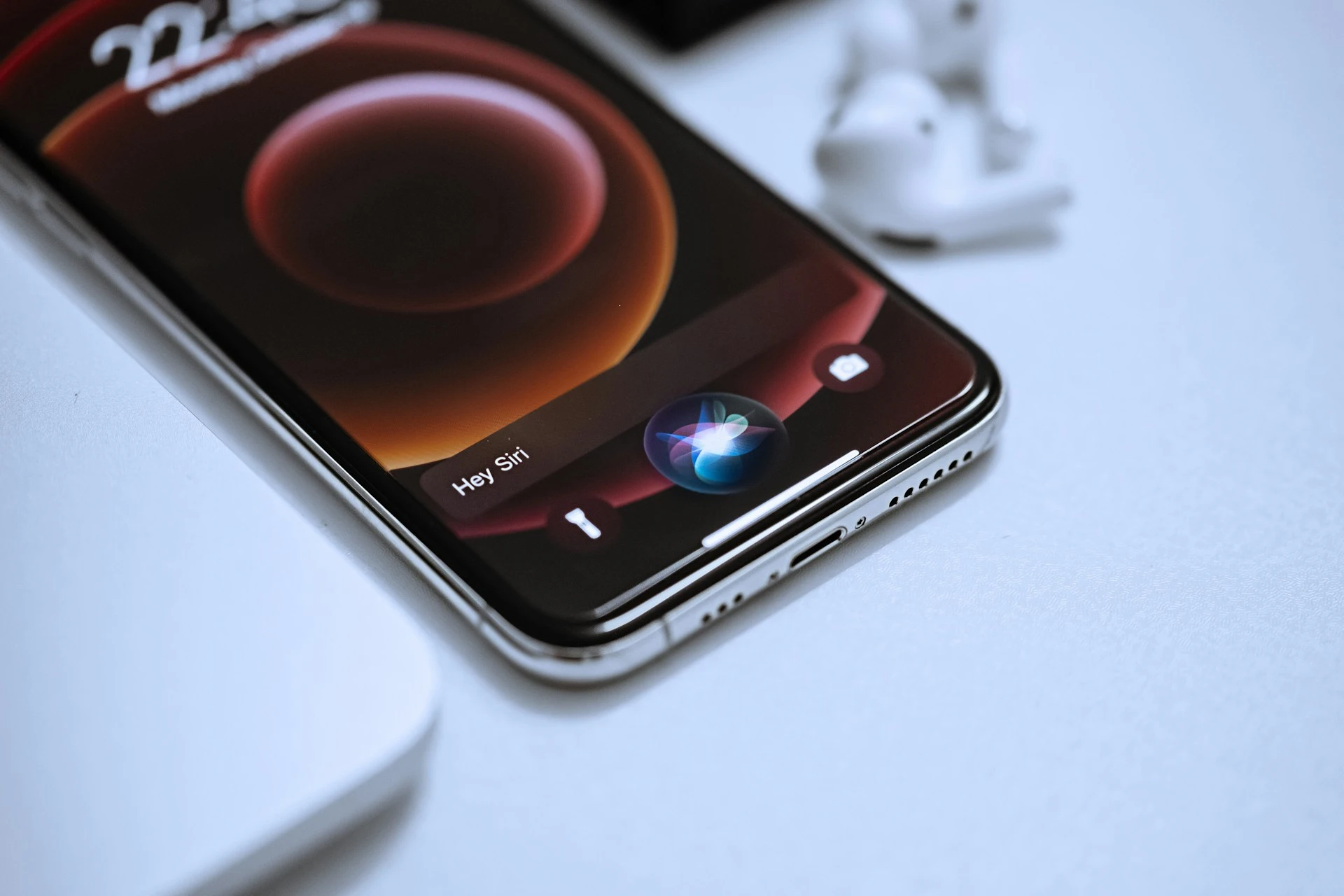
According to CNBC , the current beta version does not include “Apple Intelligence”—the new big AI technology—, Siri’s upgrades nor the ChatGPT integration announced during the Worldwide Developers Conference (WWDC) last month.
However, there are other new features Apple customers can test before the official release like a new control center, updates in the interface, screen customizations, a new redesign in the Photos app, new features for the iPhone flashlight, and more.
Users have already shared their thoughts, experiences, and bugs found on social media. Multiple users have admired the new flashlight features and the new redesign options.
OK this new flashlight UI in iOS 18 beta 3 has absolutely no right to go this hard. Too cool pic.twitter.com/vIyaiBYyHp — Sebastiaan de With (@sdw) July 8, 2024
A few users have also spotted a few bugs like difficulties unlocking the screen when rotating the phone, notifications not showing on the locked screen, and more. Those who prefer more stable software are advised to wait for the official release in the fall.
According to CNET , to download the new iOS 18 beta on iPhone, members of Apple’s Beta Software just have to go to Settings, General, click on Software Update to reveal options, and choose “iOS 18 Public Beta.” The new updates show a message: “iOS beta gives you an early preview of upcoming apps, features, and technologies. Please back up your iPhone before you install the beta.” After downloading it, and a reboot, users can access the new features.
The new update will be available for iPhones from iPhone SE—second generation and later—to iPhone 15 Pro Max, and the upcoming iPhone 16. But Apple Intelligence will be exclusive for iPhone 15 Pro and 15 Pro Max.
Photo by Travis Gergen on Unsplash
Hacker Group Leaks Data From Disney’s Private Slack
- Written by Andrea Miliani Former Tech News Expert
- Fact-Checked by Justyn Newman Former Lead Cybersecurity Editor
Hacker group NullBulge published private data from Walt Disney’s internal Slack workplace, from around 10,000 channels, online. According to Reuters , the group claimed to have stolen 1 terabyte of data from the entertainment company, including login details, ad campaign discussions, new employees and candidates evaluations, details about upcoming private projects, and more information from up to 2019.
“Disney is investigating this matter,” replied a spokesperson from Disney to Reuters via email. The entertainment company hasn’t shared more details or made public announcements yet.
According to Wired , NullBulge said they got access through one of Disney’s employees who acted as a collaborator, but this information hasn’t been confirmed.
The stolen data was first published on Thursday on the popular hacker forum BreachForums. The post was taken down, but the information had already been spread through mirror sites.
“All of it looks legit—a lot of URLs, conversations of employees, some credentials, and other content,” said Roei Sherman—field CTO at Mitiga Security who read the information leaked—to Wired. “Companies are getting breached all the time, especially data theft from the cloud and software-as-a-service platforms,” he added, “it is just easier for attackers and holds bigger rewards.”
Nullbulge described its organization as a hacktivist group protecting artists’ rights. On its website , it explains that the group hacks those who commit one of the three “sins”: sharing AI artwork, theft—from Patreon or other platforms supporting artists—, and crypto promotion.
“Our mission is to enact ways to ensure that theft from artists is reduced and to promote a fair and sustainable ecosystem for creators,” Nullbulge states on its website, where the organization also shares the services it provides, blog posts, and appearances in the media.
Disney’s leak isn’t the only one reported this month. A few days ago, a hacker posted a compilation of 10 billion passwords with information from people and companies across the world.
