
Photo by Junseong Lee on Unsplash
Apple Invests $99 Million in China’s Clean Energy to Achieve 100% Renewable Supply Chain by 2030
- Written by Andrea Miliani Former Tech News Expert
- Fact-Checked by Sarah Frazier Former Content Manager
Apple announced this Monday a new investment of 720 million yuan—around $99.3 million—in China to expand its clean energy efforts and reach its goal of achieving 100% renewable energy operations by 2030.
In a rush? Here are the quick facts:
- Apple is investing $99.3 million to boost clean energy projects in China.
- CEO Tim Cook announced the initiative on Chinese social media platform Weibo.
- The new phase aims to generate 550,000 MWh of renewable energy and attract more investors.
According to the Chinese news agency Xinhua , Tim Cook, Apple’s CEO, announced on the Chinese social media platform Weibo the company’s plan for a transition to using renewable energy in its supply chain in China.
About two-thirds of the tech giant’s supply chain already relies on green energy—over 1,000 megawatts of wind and solar energy—in the Asian country, after a first phase of investment.
The new investment seeks to expand and generate around 550,000 megawatt-hours of solar and wind energy. The tech firm also expects more investors to join the initiative.
Cook made the announcement after attending the China Development Forum in Beijing on Sunday. The event counted with the presence of over 86 company representatives from 21 countries.
According to The Economic Times , Apple shares its commitment to continue and develop operations in China amid tensions related to the 20% tariffs imposed by the U.S. government.
The China Council for the Promotion of International Trade said that Apple and other American companies are welcome to develop operations in China.
Chinese Premier Li Qiang urged countries to act against “rising instability and uncertainty” and assured that new macroeconomic policies will come soon.
Cook reassured Apple’s commitment to cooperating with China and the China Development Research Foundation also with donations to support rural education, as reported by Digitimes Asia .
Apple’s CEO praised the Chinese AI model DeepSeek as well and described his experience using the model as “fantastic.”
In February, Apple announced a $500 billion investment in the United States for the next five years, to expand operations and build new factories in the country.
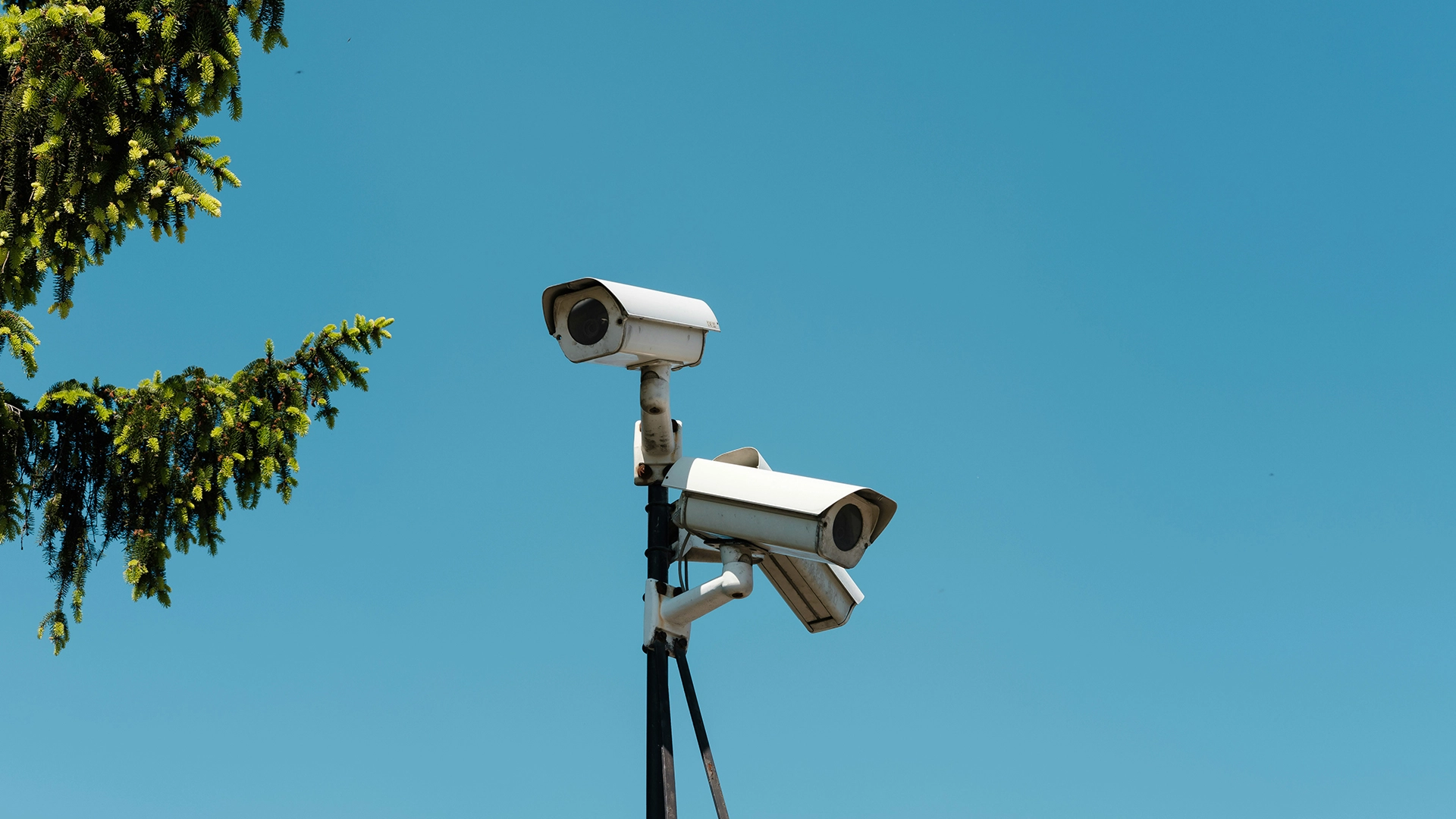
Image by Michał Jakubowski, from Unsplash
China Bans Forced Facial Recognition
- Written by Kiara Fabbri Former Tech News Writer
- Fact-Checked by Sarah Frazier Former Content Manager
China’s cyberspace regulator has released new regulations on facial recognition technology, emphasizing that individuals should not be forced to use it.
In a rush? Here are the quick facts:
- China introduces regulations banning forced use of facial recognition technology.
- Regulations require companies to obtain consent before collecting facial data.
- Facial recognition use is banned in private spaces like hotel rooms and public bathrooms.
This comes as the country grapples with growing concerns over privacy and the widespread use of facial recognition in daily life.
Reuters reports that the Cyberspace Administration of China (CAC) announced that individuals should have alternative options if they refuse to verify their identity using facial recognition . This applies to various practices, such as using the technology for hotel check-ins or entering gated communities.
“Individuals who do not agree to identity verification through facial information should be provided with other reasonable and convenient options,” said the CAC in a statement, as reported by Reuters.
The new regulations are set to take effect in June and have been introduced in response to concerns over privacy, says Reuters. The regulations highlight that companies using facial recognition must obtain explicit consent before collecting biometric data.
However, the rules don’t apply to public spaces, and facial recognition will still be common in Chinese cities, where signs must notify the public of its use, as reported by Reuters.
These rules come after a 2021 survey revealed that 75% of Chinese respondents expressed concern about the technology, and 87% opposed its use in business places, says Reuters.
In response, China’s Supreme Court banned the use of facial recognition in places like shopping malls and hotels, requiring residents to request alternative methods of identification, as reported by Reuters.
Additionally, the Personal Information Protection Law, which came into force in November 2021, mandates user consent for data collection and imposes penalties on non-compliant companies, noted Reuters.
While the new rules aim to protect individual privacy, they still allow for the use of facial recognition for AI training activities. However, the regulations ban its use in private spaces such as hotel rooms, public bathrooms, and dressing rooms, where privacy could be compromised.
Experts and companies involved in facial recognition technology, like Sensetime and Megvii, are now expected to follow stricter data security measures, including encryption and audits to ensure data protection, as noted by Reuters.
Despite these regulations, questions remain about whether government entities will be subject to the same rules, as the Chinese government has previously used the technology for surveillance and control, including monitoring ethnic minorities, as noted by The Register .
This move is part of a broader global conversation about the balance between technological innovation and privacy rights. China’s push for more robust facial recognition laws signals a shift towards greater protection for citizens amid concerns about surveillance and data security.
