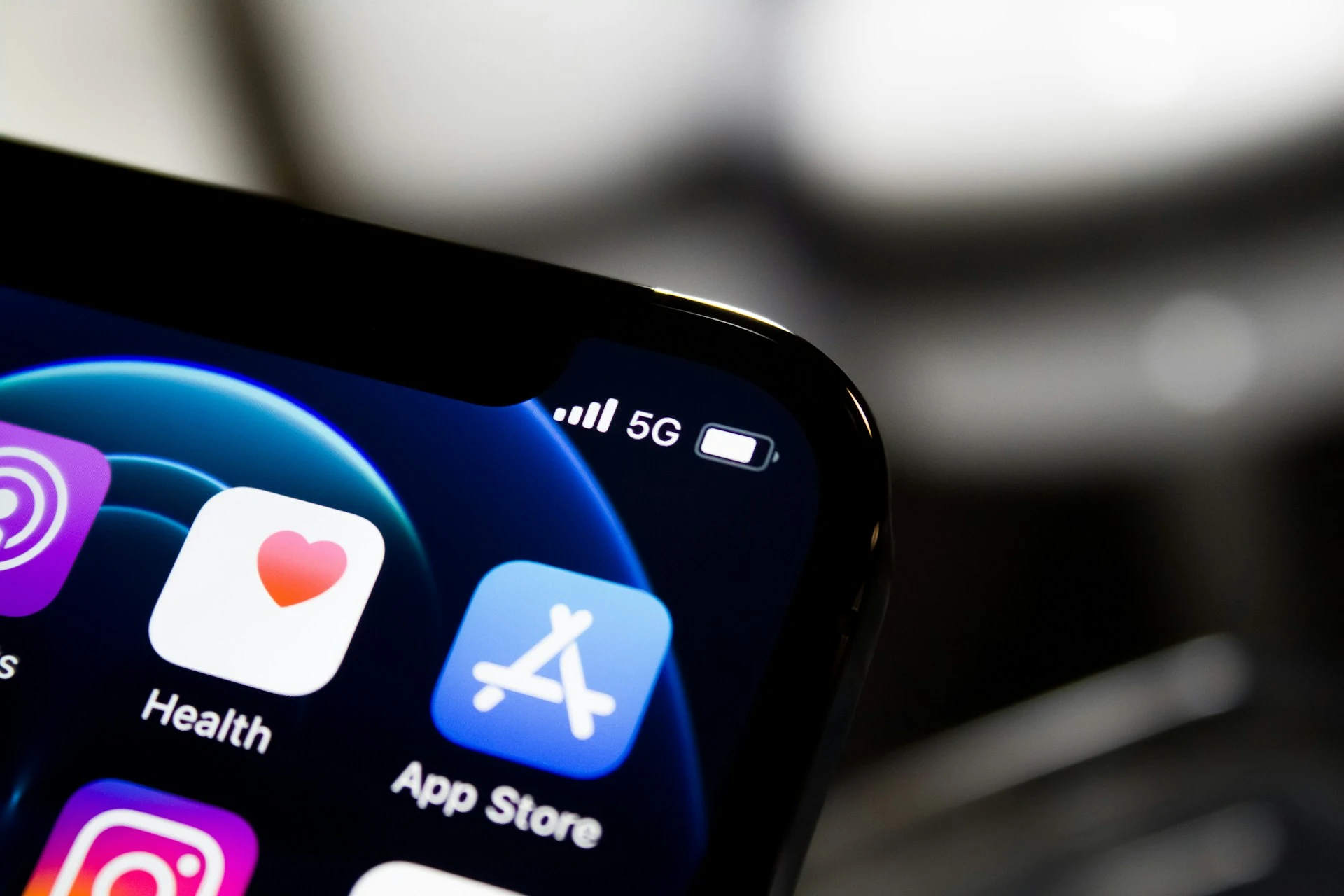
Photo by James Yarema on Unsplash
Apple Approves First PC Emulator UTM SE For iOS Devices
- Written by Andrea Miliani Former Tech News Expert
- Fact-Checked by Justyn Newman Former Lead Cybersecurity Editor
Apple has recently approved the app UTM SE which allows users to emulate a computer and run classic games and software. The first PC emulator on Apple devices is now available for download—for free—in the App Store and can be used on iOS, iPadOS, and also visionOS.
According to The Verge , Apple had previously rejected UTM SE because it wasn’t focused on retro games and violated the company’s guidelines, as the app lets users run systems similar to Windows, and it wasn’t self-contained as it required a just-in-time (JIT) compilation method.
Now, UTM SE developer with the help of the open-source project AltStore team, and another developer who helped build the JIT-less version, could resubmit a new compliant version.
“We are happy to announce that UTM SE is available (for free) on iOS and visionOS App Store (and coming soon to AltStore PAL)!” said the organization through its official X account. “Shoutouts to AltStore team for their help and to Apple for reconsidering their policy.”
We are happy to announce that UTM SE is available (for free) on iOS and visionOS App Store (and coming soon to AltStore PAL)! Shoutouts to AltStore team for their help and to Apple for reconsidering their policy. https://t.co/HAV5JnT5GO — UTM (@UTMapp) July 13, 2024
Users can now find the app on the App Store , described as “a PC emulator that allows you to run classic software and old-school games.” It can emulate x86, PPC, and RISC-V architectures, and supports “VGA mode for graphics and terminal mode for text-only operating systems.”
Multiple users on Reddit have shared their thoughts and concerns. “Windows on iPadOS before macOS. What a world we live in,” said one user. Another Redditor asked about running Windows on Mac and got a reply from another commenter saying that it is possible “but the performance is subpar because of missing JIT support for App Store apps. Hopefully, Apple will allow it some time in the future.” As confirmed by 9to5Mac , without the JIT compiler performance might not be as powerful and fast.
Multiple companies like Nintendo are betting on users’ nostalgia and have launched applications and games for users to enjoy a time travel experience using modern and day-to-day devices.
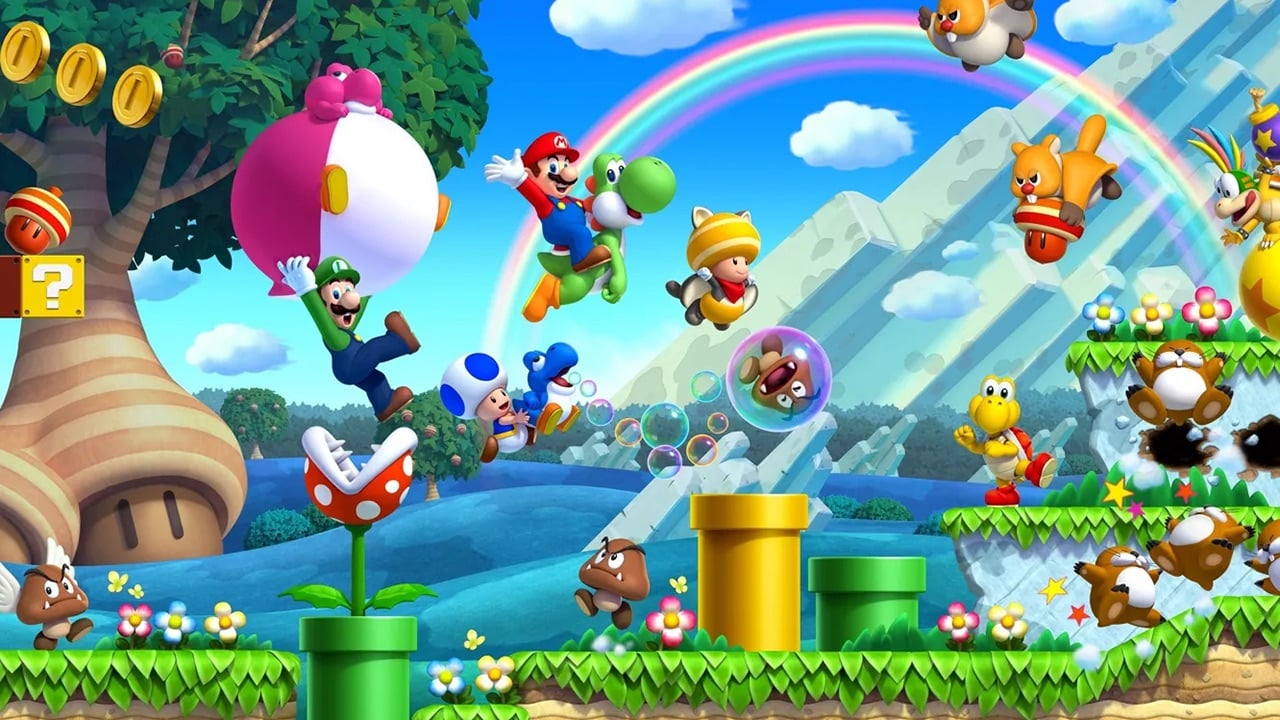
Everton, from Goodfon.com
Therapeutic Benefits of Video Games In Patients With Schizophrenia
- Written by Kiara Fabbri Former Tech News Writer
- Fact-Checked by Justyn Newman Former Lead Cybersecurity Editor
In a recently published research paper by the University Medical Center Humburg-Eppendorf in Germany, it was reported that video game training can enhance cognitive functions and neuronal plasticity in patients with schizophrenia.
The research team, led by Maxi Becker, investigated this by recruiting 95 patients with schizophrenia and compared them to a group of 82 healthy controls. Participants were randomly divided into three groups: playing a 3D video game (Super Mario 64), a 2D video game (New Super Mario Bros), or reading ebooks (active control group with a choice of 13 books). Everyone participated in their assigned activity for 30 minutes each day for eight weeks.
Before and after the eight-week period, researchers assessed participants’ cognitive function and mental health. They also used functional magnetic resonance imaging (fMRI) to measure changes in brain connectivity.
Overall results were promising. Both 2D and 3D video game groups showed significant improvements in sustained attention compared to the control group.
These improvements were correlated with enhanced functional connectivity between the hippocampus and prefrontal cortex (HC-PFC), areas of the brain essential for attention and executive function . This result is particularly relevant since disrupted HC-PFC connectivity has been consistently associated with cognitive impairment in schizophrenia.
Notably, the study also reported improvements in negative symptoms and general psychopathology, as measured by the PANSS scale , which includes factors such as depression, anxiety, and disturbances in volition, among others. The patients also reported feeling a greater sense of mental health recovery compared to the control group.
While the exact mechanism for this effect is unclear, the researchers suggest it may be due to the overall demands of the video games. These include continuous and goal-oriented interaction, incentives and gamification elements, and the rewarding aspects that could potentially boost dopamine levels in the brain. Notably, dopamine deficiency in the prefrontal cortex is suspected to be linked to negative symptoms in schizophrenia.
Moreover, the researchers acknowledged that the video game intervention’s effects were not significantly different between the 2D and 3D conditions, suggesting that the specific type of game may be less important than the general cognitive engagement it provides. While the findings are promising, the authors acknowledge some limitations. For example, the sample size, which was reduced due to dropouts, particularly among patients with more severe symptoms. This suggests that future studies might benefit from focusing on more stable patients or even including high-risk individuals.
Additionally, the observed effects were modest, indicating that video games should be seen as a complementary treatment alongside medication and therapy, not a standalone solution. Further research is needed to fully dissect the mechanisms at play and explore the potential benefits for this broader population.
Overall, this study provides initial evidence that video game training can be a beneficial intervention for schizophrenia. It offers a low-cost, engaging, and potentially effective tool to improve cognitive function, reduce symptoms, and promote mental health recovery in patients with schizophrenia. Future research can further explore its potential and refine its use for this complex mental disorder.
