
Photo by Alev Takil on Unsplash
Airbnb Launches Redesigned App And New Hotel-Like Services
- Written by Andrea Miliani Former Tech News Expert
- Fact-Checked by Sarah Frazier Former Content Manager
Airbnb announced on Tuesday a new redesign of its app, along with two new offerings: Airbnb Experiences and Airbnb Services. The company aims to provide customers with experiences similar to those available through hotels and guided tours.
In a rush? Here are the quick facts:
- Airbnb announced a new redesign and two new offerings: Airbnb Services and Airbnb Experiences.
- The company will offer more hotel-like experiences, including spa treatments, culinary experiences, and beauty services.
- Select cities will include Originals, a category for unique experiences, including local experts and celebrities such as Sabrina Carpenter and Karol G.
According to the press release , Airbnb is launching 10 new service categories in 260 cities across the globe, and plans to add more over time. Among the new offerings, the hospitality company highlights culinary experiences with professional chefs, spa treatments such as massages and facials, and beauty services including makeup, manicures, and blowouts.
“With the launch of services and experiences, we’re changing travel again. Now you can Airbnb more than an Airbnb,” said Brian Chesky, Airbnb co-founder and CEO.
Now you can Airbnb more than an Airbnb pic.twitter.com/UBz4unyrzU — Brian Chesky (@bchesky) May 13, 2025
The redesigned app allows customers to add new experiences and services to their reservations—not just book a place to stay. Now, users who reserve accommodations will receive suggestions for local experiences and personalized itineraries based on their destination.
“People choose hotels for their services. People choose Airbnbs for the space,” added Chesky. “Now, we’re giving you the best of both worlds—amazing homes with services that make them even more special.”
Airbnb Experiences is not new—it was first launched in 2016—but the company has now redefined the concept. According to the New York Times , the original offerings lacked quality and reliability, and the company is now focusing more on professionalism and authenticity.
In select cities, Airbnb will offer “Originals,” a new category of “extraordinary experiences hosted by the world’s most interesting people” available only on its platform. Users will get exclusive services, such as visiting Notre Dame in Paris with one of the architects who worked on the restoration of the cathedral. Celebrities are also part of Airbnb’s revamped experiences.
According to the upcoming options currently listed on the website, travelers could hang out on a rooftop in Medellin with Colombian singer Karol G , or enjoy a glow-up session with singer Sabrina Carpenter in Los Angeles. The prices for these experiences have not yet been disclosed.
Last year, Airbnb introduced co-hosting options for homeowners and promised to expand and offer new services in 2025.
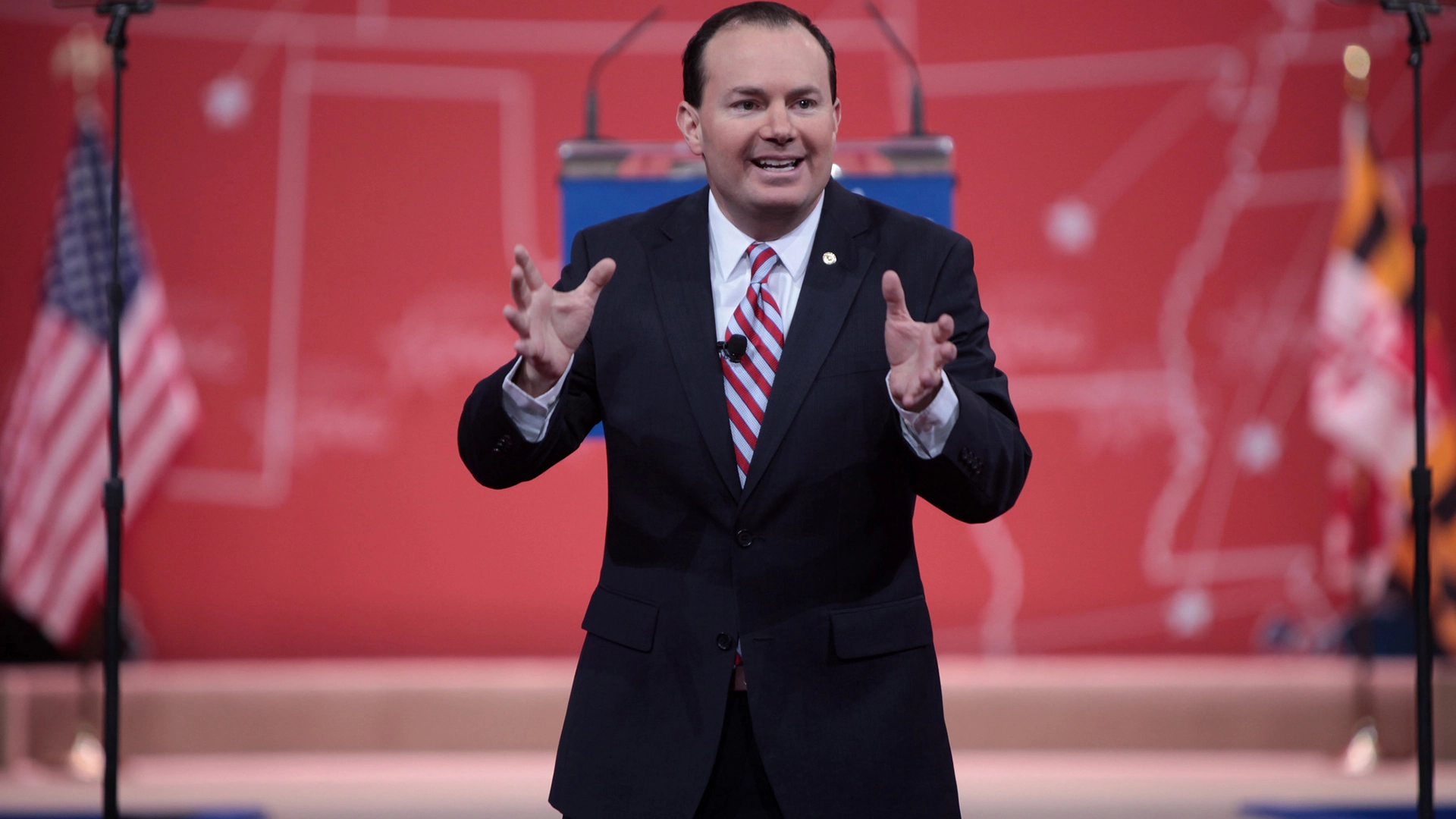
Image by Gage Skidmore, from Unsplash
U.S. Bill Seeks To Make All Pornography A Federal Offense
- Written by Kiara Fabbri Former Tech News Writer
- Fact-Checked by Sarah Frazier Former Content Manager
Republican Senator Mike Lee of Utah has reintroduced a bill that would criminalize pornography at the federal level.
In a rush? Here are the quick facts:
- Senator Mike Lee reintroduced a bill to ban porn federally.
- Posting arousing sexual content could become a federal crime.
- This is Lee’s third attempt to pass the bill.
The Interstate Obscenity Definition Act (IODA), backed by Representative Mary Miller of Illinois, aims to redefine what counts as “obscene” under U.S. law, removing current protections that have allowed adult content online.
“Obscenity isn’t protected by the First Amendment,” Lee said in a press release , “but hazy and unenforceable legal definitions have allowed extreme pornography to saturate American society and reach countless children.”
404 Media explains that the bill changes the way courts define obscenity, replacing the long-standing Miller Test—a three-part standard set in 1973.
Instead, it proposes a new definition for the internet era, where any content that “appeals to the prurient interest in nudity, sex, or excretion” and “depicts, describes or represents actual or simulated sexual acts with the objective intent to arouse, titillate, or gratify the sexual desires of a person’’
Critically, IODA removes the current law’s requirement that obscene content must be shared to “abuse, threaten, or harass.” This would mean that simply posting sexual content online for arousal could be a federal crime.
Supporters argue this helps law enforcement crack down on harmful material. “The Interstate Obscenity Definition Act equips law enforcement with the tools they need to target and remove obscene material from the internet,” said Miller. “I’m proud to lead this effort […] to safeguard American families.”
404 Media notes that is Lee’s third attempt to pass the bill, following failed efforts in 2022 and 2024. Its reappearance comes amid rising political pressure from conservative groups like Project 2025, which seeks to eliminate porn entirely, something sex workers and free speech advocates have warned against for years.
