Image by Simon Kadula, from Unsplash
AI-Automation Risks Deepening Inequality Across UK, Report Says
- Written by Kiara Fabbri Former Tech News Writer
- Fact-Checked by Justyn Newman Former Lead Cybersecurity Editor
The automation of millions of jobs in the UK risks deepening inequality unless the government steps in to support workers and small businesses, according to a report by the Institute for the Future of Work (IFOW).
In a Rush? Here are the Quick Facts!
- Automation disproportionately affects regions like the North East and parts of Wales.
- SMEs struggle with resources to implement responsible automation practices.
- Workers report anxiety due to AI-driven surveillance and routinization of tasks.
Automation has already transformed many sectors, with 80% of surveyed firms adopting AI and robotic technologies for physical tasks, such as warehouse management, and cognitive tasks, like data analysis.
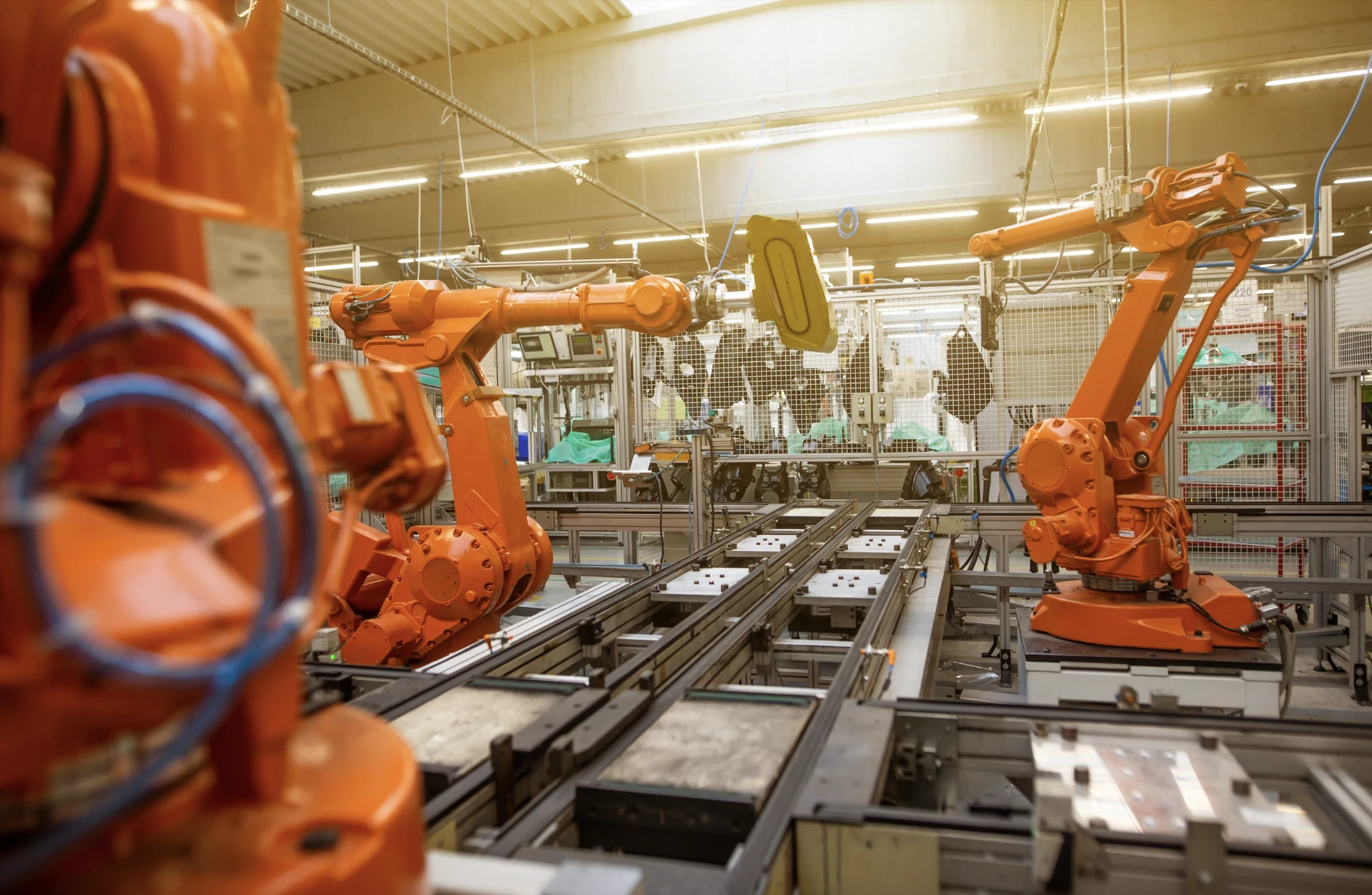
For example, industries such as retail have increasingly adopted automated checkout systems, while manufacturing continues to integrate robotic assembly lines. However, this rapid transformation has led to new pressures on workers, including concerns about job security and wellbeing.
The three-year report, based on a survey of 1,000 businesses, revealed that some major employers had implemented tools to ease the impact of automation and AI on staff.
However, many smaller businesses struggled to understand how these technologies would reshape the workplace and what skills or training employees would need to adapt in the coming decade.
The report highlights stark regional disparities in how automation impacts jobs. For instance, areas such as London and the South East, which already benefit from better infrastructure and innovation ecosystems, have seen more positive outcomes from automation.
In contrast, regions like the North East and parts of Wales face challenges, with fewer resources to adapt to technological change. These regions experience higher rates of job displacement in routine roles, such as administrative support and low-skill manufacturing.
Small and medium-sized enterprises (SMEs), which employ a significant portion of the UK workforce, are also struggling to adapt. Many SMEs lack the expertise and resources to govern and implement automation responsibly.
For example, family-run businesses in traditional sectors like agriculture or construction often face barriers to adopting advanced AI tools, leaving them at risk of falling behind.
The IFOW report also raises concerns about the effects of automation on job quality. While automation can reduce repetitive tasks, it has in some cases led to routinization and reduced discretion in roles.
Workers in warehouses using AI-driven monitoring systems, for example, report feeling increased pressure and anxiety due to constant surveillance. Similarly, automation in delivery services, such as algorithmically managed driver routes, can leave workers with little flexibility or control over their schedules.
To address these challenges, the report calls for government investment in skills training, better regional data collection, and stronger protections for workers. For example, providing reskilling programs focused on digital literacy and advanced communication skills could help workers transition into higher-skill roles.
Enhanced employment rights and worker engagement in decision-making processes are also essential to fostering trust in new technologies.
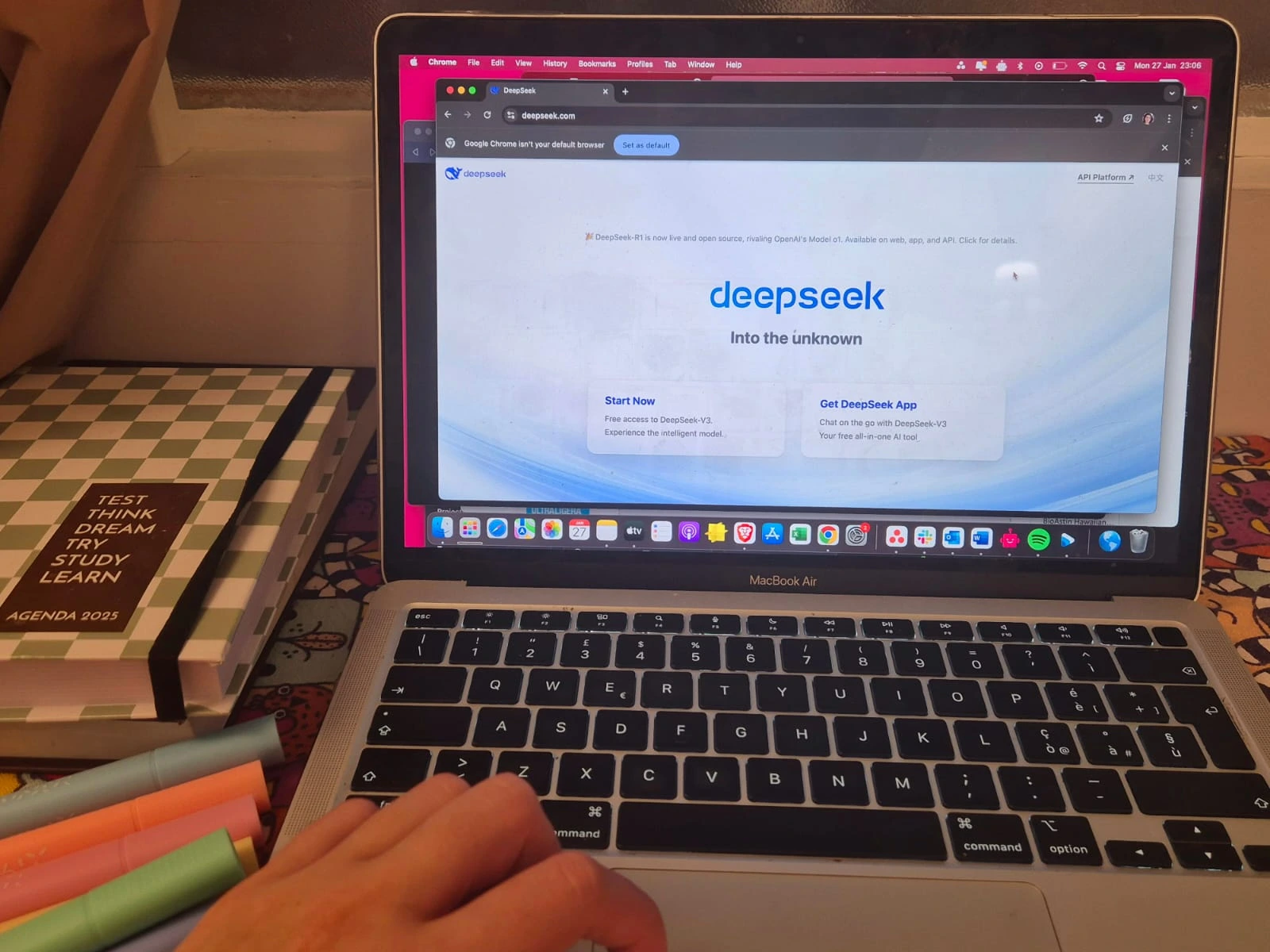
Image by Kiara Fabbri
DeepSeek Restricts Registrations Following Cyberattacks
- Written by Kiara Fabbri Former Tech News Writer
- Fact-Checked by Justyn Newman Former Lead Cybersecurity Editor
Chinese AI startup DeepSeek temporarily restricted new user registrations on Monday following “large-scale malicious attacks” targeting its services. Despite the disruption, the company reassured its existing users that logins would remain unaffected.
In a Rush? Here are the Quick Facts!
- DeepSeek restricted new user registrations due to “large-scale malicious attacks.”
- The cyberattacks began around 9:33 PM CST on January 27.
- Website outages were DeepSeek’s longest in 90 days.
The announcement came on the same day DeepSeek’s AI Assistant overtook OpenAI’s ChatGPT as the most-downloaded free app on Apple’s App Store in the United States. This remarkable rise in popularity appears to have coincided with the cyberattacks and subsequent service interruptions.
According to The Register , the attacks began at approximately 9:33 PM China Standard Time (CST) on January 27, equivalent to 5:33 AM PST in the United States. At the time of reporting, the disruption was ongoing.
Reuters reports that earlier on Monday, the company also faced website outages that affected user access. According to DeepSeek’s status page, the issues were resolved later in the day, with fixes applied to its application programming interface and website login systems.
The company noted that these disruptions were its longest in the past 90 days, a stark contrast to its otherwise stable performance, as reported by Reuters.
DeepSeek’s meteoric rise in popularity comes amid growing global interest in artificial intelligence-powered tools. The timing of the attacks, paired with DeepSeek’s newfound prominence, raises questions about the challenges AI companies face as they scale up rapidly.
For now, the company remains focused on stabilizing its services and addressing the fallout from this unexpected surge in demand.
