Image from Garrison Flood Control
AI Tool Simulates Flood Scenarios With Realistic Satellite Images
- Written by Kiara Fabbri Former Tech News Writer
- Fact-Checked by Sarah Frazier Former Content Manager
MIT’s AI tool simulates realistic flood images using physics-based models, aiding communities in visualizing climate risks and preparing for hurricanes.
In a Rush? Here are the Quick Facts!
- Tested in Houston, it visualizes potential flooding similar to Hurricane Harvey’s impact.
- Current flood maps use color codes; this adds realistic satellite-like imagery.
- Researchers call it a step forward in climate-risk visualization and public preparedness.
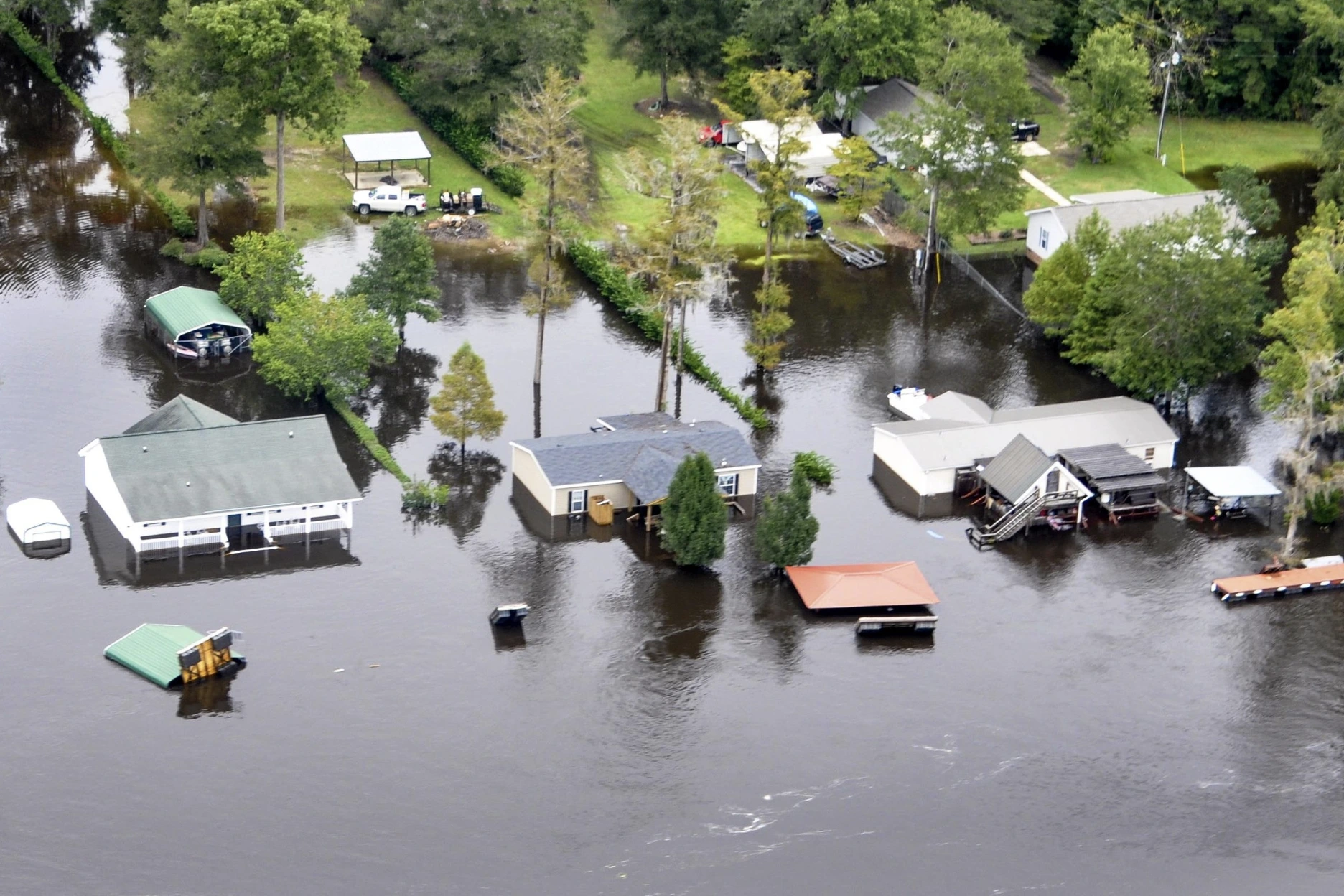
MIT researchers have developed an artificial intelligence tool that combines generative AI with physics-based models to create realistic satellite images of potential flooding.
The technology could provide a new way for communities to visualize the impacts of storms and make informed decisions about evacuation and preparation. The team has made their “ Earth Intelligence Engine ” method available online for others to explore.
The team tested the approach in Houston, Texas, simulating flooding caused by a storm similar to Hurricane Harvey.
By generating satellite images that represent how specific areas might look after such an event, the researchers compared the results to actual satellite images taken after Harvey.
Their findings revealed that combining AI with a physics-based flood model produced more accurate depictions of flooding than AI alone, which sometimes generated unrealistic results, such as flooding in higher-elevation areas.
The tool employs a machine learning method called a conditional generative adversarial network (GAN). The GAN consists of two neural networks: one generates synthetic images, while the other evaluates their accuracy against real data.
While effective, the process can result in visual inaccuracies, or “hallucinations,” when used on its own. To improve reliability, the team integrated the GAN with a physics-based model that accounts for real-world factors like storm trajectories, wind patterns, and flood infrastructure.
The researchers believe this combination of AI and physics could enhance current methods of flood risk communication, which often rely on color-coded maps.
“The idea is: One day, we could use this before a hurricane, where it provides an additional visualization layer for the public,” said Björn Lütjens, a postdoctoral researcher who led the study.
“One of the biggest challenges is encouraging people to evacuate when they are at risk. Maybe this could be another visualization to help increase that readiness,” he added.
The research, published in IEEE Transactions on Geoscience and Remote Sensing, highlights a potential use of AI in risk-sensitive contexts.

Photo by Luke Porter on Unsplash
Google And Meta Urge Australia To Delay Social Media Ban
- Written by Andrea Miliani Former Tech News Expert
Google and Meta have urged the Australian government to delay the bill to ban social media networks for children under 16 this Tuesday.
In a Rush? Here are the Quick Facts!
- Google and Meta are asking the Australian government for more time to evaluate the consequences of the ban
- The tech giants want to consider the results from the age verification system trial first
- X and TikTok also shared concerns about the new bill submitted last week
According to Reuters , the tech giants explained that more time is required to evaluate its impact and that the government should wait for the age-verification trial results before implementing the law.
The initiative to ban social media for children and teenagers, led by Austrian Prime Minister Anthony Albanese, represents one of the strictest measures worldwide. There are many c oncerns and doubts about whether it is the best approach to alleviating the risks and challenges this vulnerable population is facing. Albanese’s administration is determined to pass the bill, which should become a law by the end of the year.
The bill was introduced last week, and the submission of opinions opened for only one day when Google and Meta shared their suggestions, including waiting for the age verification system trial as it will include government identification and biometrics to determine age and it’s a new technology that hasn’t been implemented before.
“In the absence of such results, neither industry nor Australians will understand the nature or scale of age assurance required by the bill, nor the impact of such measures on Australians,” said Meta and added that the bill as it is presented right now is “inconsistent and ineffective.”
According to the new bill proposed, social media platforms must comply with the new system and could be fined up to $32 million for breaches.
TikTok also participated and said that the bill wasn’t clear enough and that they were concerned about its impact. X also added that it was against children’s human rights to access the internet and their freedom of expression.
The Senate should deliver a report soon.
This week, the Australian misinformation bill was abandoned as it didn’t get enough support from the Senate.
