Image from Freepik
AI Textbooks In South Korea: Parents Express Growing Worries
- Written by Kiara Fabbri Former Tech News Writer
- Fact-Checked by Justyn Newman Former Lead Cybersecurity Editor
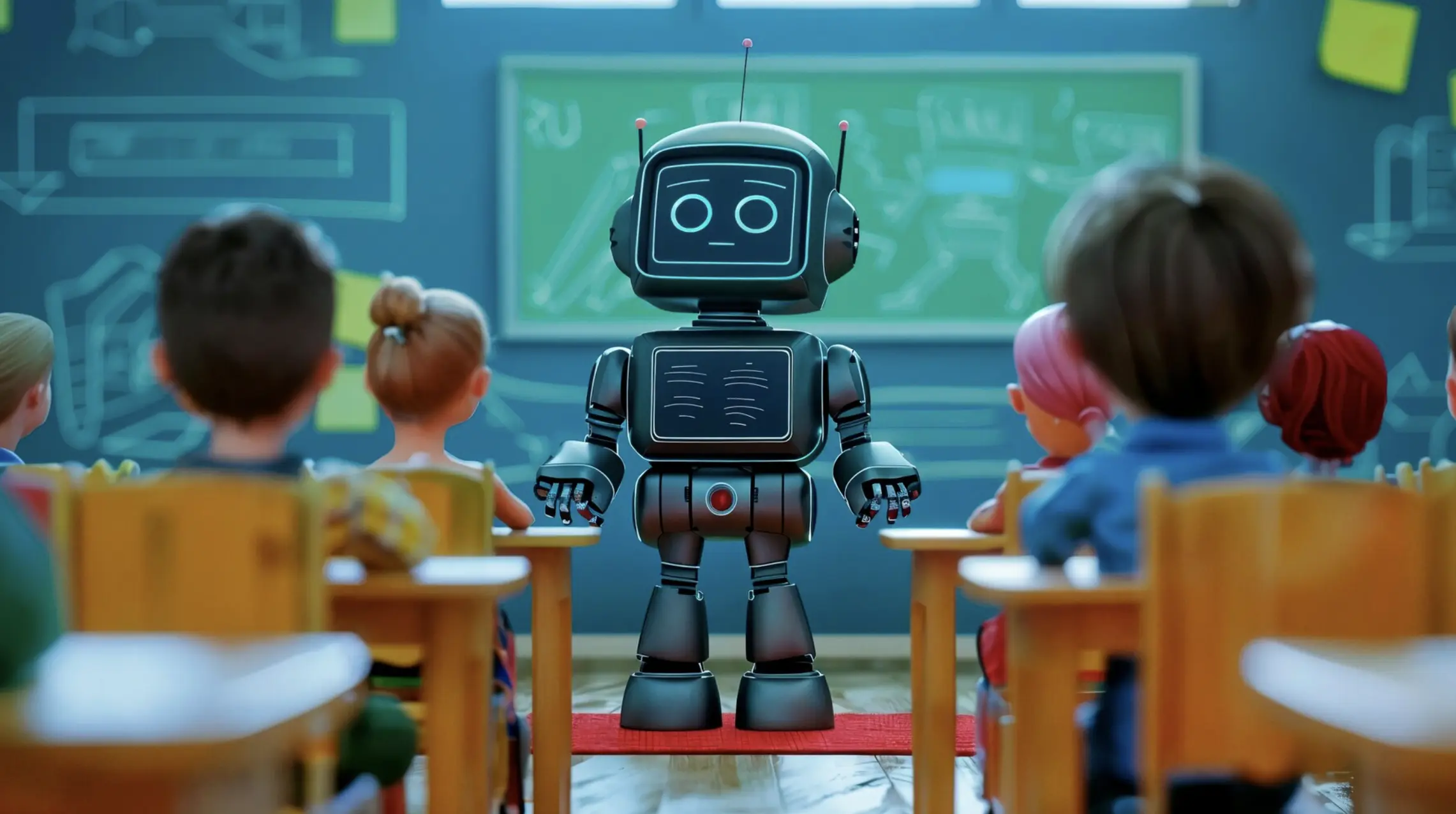
The Financial Times reported today that South Korean parents are increasingly concerned about the government’s plan to introduce AI-powered textbooks in schools.
Announced on June 8 last year by Education Minister Lee Ju-Ho, this initiative aims to roll out AI digital textbooks in 2025 for subjects such as math, IT, and English. By 2028, the program plans to expand to include Korean, history, science, technology, and social studies.
The ministry emphasizes benefits like personalized learning, real-time translation for multilingual students, and enhanced support for students with special needs.
The Financial Times also notes that the plan includes programs that can transcribe a teacher’s remarks onto an electronic whiteboard as they move around the classroom. Additionally, the tablets can be customized to assess both “fast learners” and “slow learners.” The AI will then provide tasks that match each student’s learning pace.
This plan has received mixed reactions. According to a nationwide survey reported by The Korea Herald , 53% of public school teachers support the introduction of AI-powered educational content. Among them, 35% believe it could offer individualized coaching, while 29% think it would foster self-directed learning.
Despite these potential advantages, parents have expressed significant concerns. The Korea Herald reports that parents worry about students bypassing security measures to access non-educational content, such as video games or YouTube, during class. They also fear reduced focus, impaired reading skills, and potential strain on eyesight.
The Straits Times reported that in May, 56,000 parents submitted a petition to the National Assembly opposing excessive digital device exposure. The petition, as noted by The Financial Times, stated, “We, as parents, are already encountering many issues at unprecedented levels arising from [our children’s] exposure to digital devices.”
Education Minister Lee understands these concerns and stresses the importance of equal access to AI education and proper preparation. He noted that it’s normal for people to feel uneasy about new changes because they have limited information and experience.
“We believe that parents’ concerns will be alleviated when they understand that digital textbooks will be used in conjunction with hardcover textbooks and will be used in the classroom under the guidance of teachers,” he said, as reported by The Straits Times.
Finally, The Financial Times reports that Shin Kwang-young, a sociology professor at Chung-Ang University, criticized this move, stating that the government is rushing to introduce these textbooks “too hastily without properly assessing the side effects, simply because AI is a megatrend nowadays.”
Regardless of the outcome, South Korea’s ambitious AI textbook plan is set to be a defining moment in the evolution of education, showcasing both the potential benefits and challenges of integrating AI into the classroom.
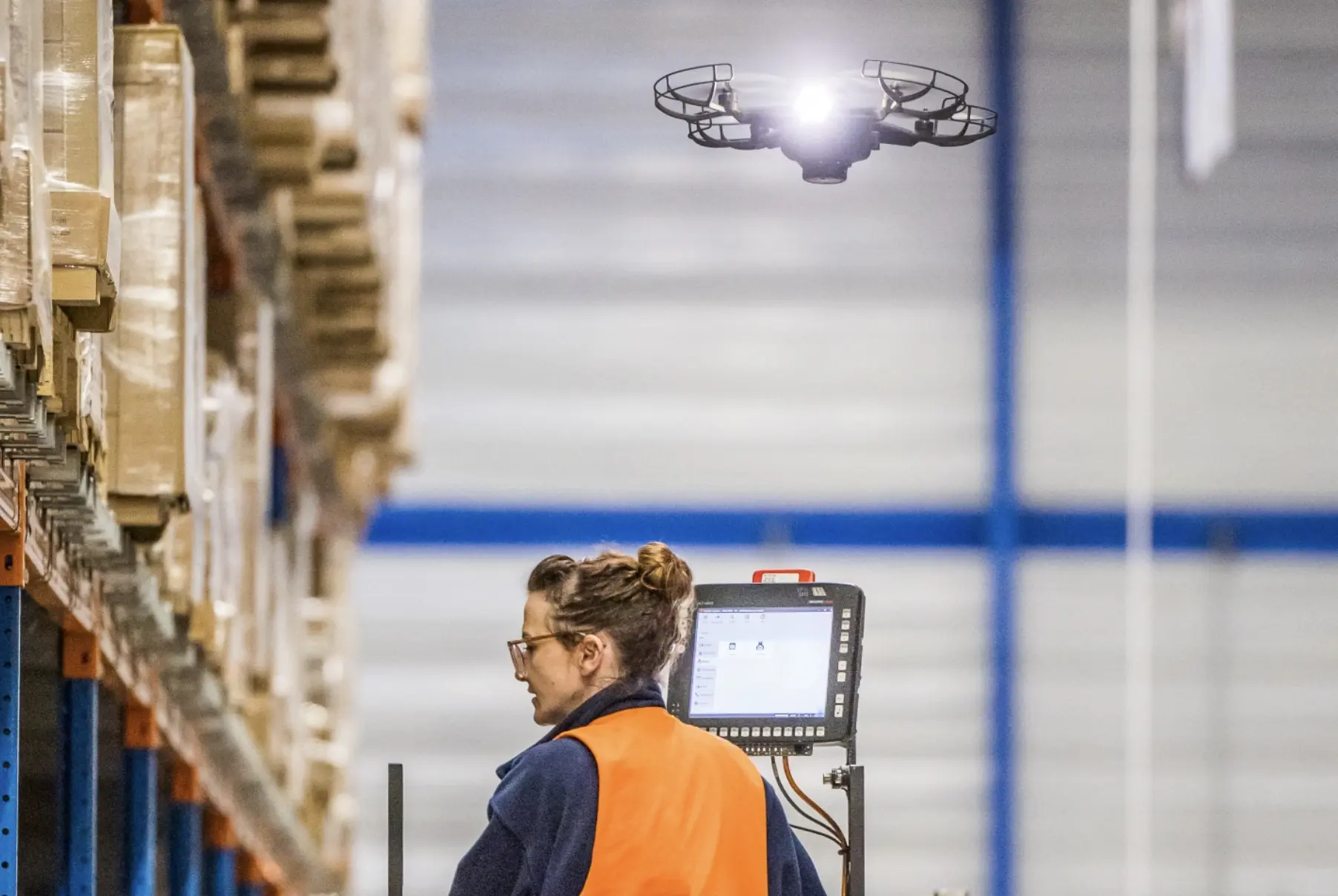
Image from IKEA press release
IKEA Expands Drone Program For Improved Warehouse Efficiency And Employee Well-Being
- Written by Kiara Fabbri Former Tech News Writer
- Fact-Checked by Justyn Newman Former Lead Cybersecurity Editor
IKEA announced today in a press release that it is advancing its warehouse operations with an upgraded AI-powered drone system designed for 24/7 operation.
The enhanced drone system is designed to streamline inventory management by automating stock checks. Using artificial intelligence, the drones identify and photograph product storage locations. Their flights are pre-scheduled to navigate high storage levels, equipped with obstacle detection to prevent collisions.
IKEA expects that the deployment of the drones will improve employee well-being. By automating the physically demanding task of inventory checks, the drones are anticipated to reduce ergonomic strain on employees, allowing them to focus on less demanding tasks.
This shift aims to minimize the risk of repetitive strain injuries associated with manual labor, creating a healthier and safer work environment, and ultimately enhancing job satisfaction and long-term health.
Additionally, the system enables simultaneous inventory checks, eliminating the need to block aisles and disrupt workflow. Employees can respond to real-time data from the drones, improving product accuracy and further reducing their workload.
Building on the success of a pilot program at its Winterslag distribution center in Belgium, IKEA plans to expand its drone-based inventory system to other locations in Europe and North America. The company has already initiated installation at the Perryville distribution center in the United States.
Tommy Niemierowski, Fulfilment Project Implementation Manager at IKEA Belgium, states, “Implementing a solution that truly makes a difference in our warehouses is an immensely rewarding experience. The installation process itself is relatively straightforward, and the reward is monumental, as it facilitates collaboration amongst various stakeholders.”
The company states that future development of the technology will focus on expanding the drones’ capabilities, including inspecting unit loads and racks, as well as improving data analysis and insights.
