
Image by Freepik
AI Tackles Campus Food Waste: Georgia State’s New Initiative Sees Success
- Written by Kiara Fabbri Former Tech News Writer
- Fact-Checked by Sarah Frazier Former Content Manager
In a Rush? Here are the Quick Facts!
- GSU’s AI system reduced cafeteria food waste by 23% in four months.
- AI named “Raccoon Eyes” analyzes plate waste to provide real-time data to dining staff.
- Student feedback helps refine portions, popular choices, and reduce waste.
Georgia State University (GSU) is harnessing artificial intelligence to address food waste in its campus cafeterias, using a program called “Raccoon Eyes” to gather data and make real-time adjustments, as reported by ABC News .
Since its launch in January, this initiative has successfully reduced cafeteria food waste by 23%, said ABC News.
“ Raccoon Eyes ” works by capturing images of plates placed on a conveyor belt after students finish their meals. This AI-powered system analyzes the contents, categorizing and weighing leftovers, then displays the data on an online dashboard.
Dining staff can monitor these insights to better understand food waste trends and adjust menu options, portion sizes, and serving methods accordingly.
Erin Murphy, a sustainability initiatives intern and student at GSU, championed the project, securing a grant to bring the technology to campus, reported ABC News.
Murphy noticed high levels of food waste in the cafeteria and believed that real-time data could inspire smarter, more sustainable choices among students and staff alike, as reported by ABC News.
According to Ivan Zou, co-founder of “Raccoon Eyes,” the AI system can identify which meals are most often wasted, allowing the university to make targeted adjustments, as reported by ABC News.
For example, data showed that salmon was largely eaten, while French fries were frequently left uneaten on plates. This kind of trend analysis helps dining services refine their offerings, reducing the waste of popular but frequently over-served items like pizza, chicken, and fries.
Jennifer Wilson, GSU’s director of sustainability, reported that AI has analyzed over 400,000 plates since January, with around 21% containing food waste, reported ABC News.
The program provides the dining team with detailed insights, allowing them to tackle specific issues, like over-serving, that contribute to food waste.
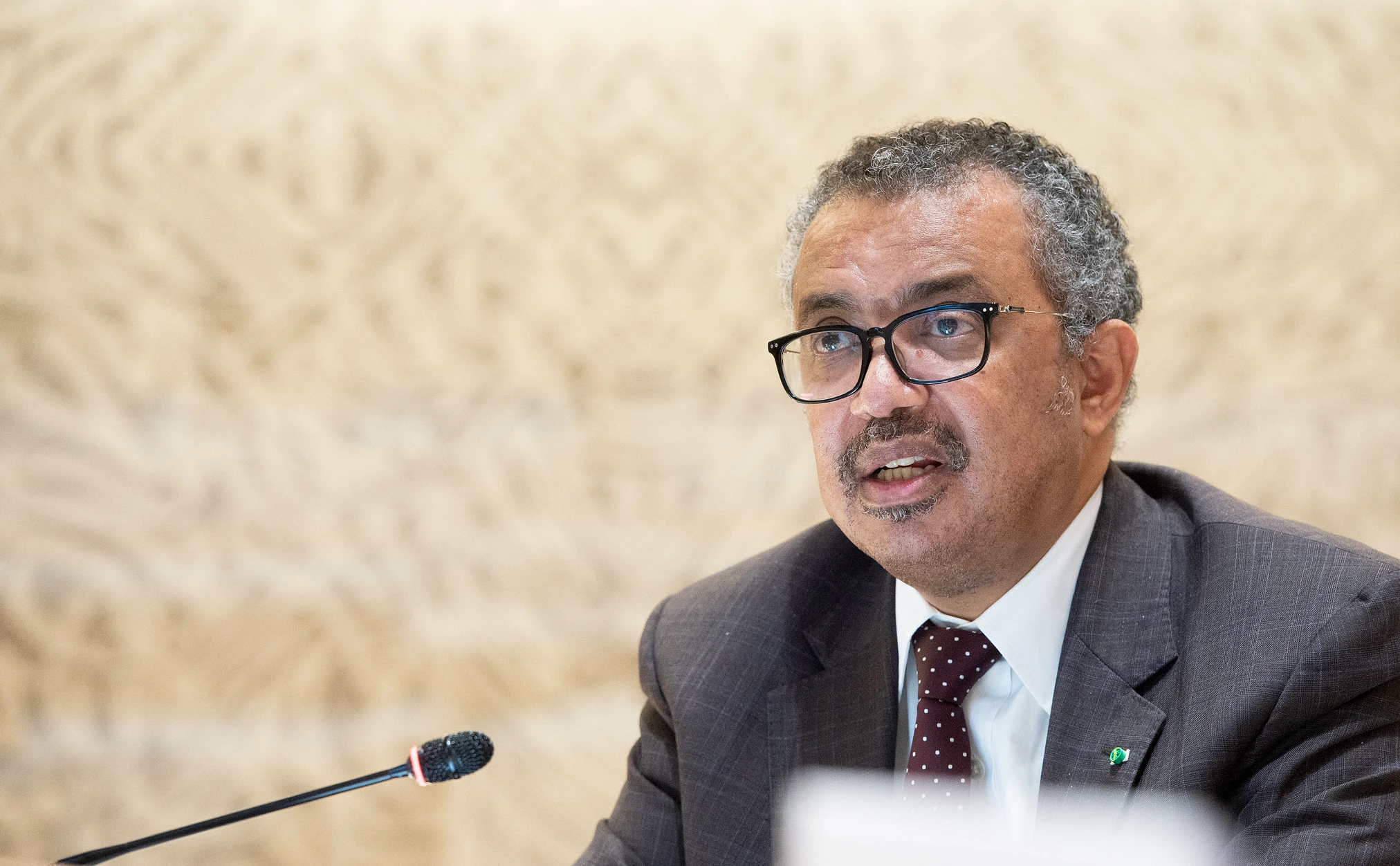
Image by UN Geneva, from Flickr
Ransomware Attacks On Hospitals: A Life-or-Death Crisis, Warns WHO
- Written by Kiara Fabbri Former Tech News Writer
- Fact-Checked by Sarah Frazier Former Content Manager
In a Rush? Here are the Quick Facts!
- WHO warns of ransomware as a life-threatening risk to healthcare systems.
- Ransomware attacks cost healthcare institutions billions annually.
- Security Council calls for global cooperation to combat healthcare cyber threats.
In a Security Council meeting on Friday, the World Health Organization (WHO) sounded the alarm on rising cyberattacks targeting healthcare systems, highlighting ransomware as a grave threat to patient safety and hospital functionality worldwide, as reported in a press release by the UN .
WHO Director-General Tedros Adhanom Ghebreyesus stressed that such attacks pose “issues of life and death,” urging global action to protect critical healthcare infrastructure.
Let’s be clear #ransomware and other #cyberattacks on hospitals and health facilities are not just issues of security and confidentiality – “they can be issues of life and death” – @WHO Director-General Tedros Adhanom Ghebreyesus, @DrTedros , briefing the #SecurityCouncil pic.twitter.com/4FoOmXFoHH — UN News (@UN_News_Centre) November 8, 2024
The UN notes that a 2021 survey revealed that over one-third of healthcare institutions experienced at least one ransomware incident, with a substantial portion paying ransoms to regain access to critical data.
Ransomware attacks lock networks or devices, forcing institutions to pay for re-access. The rising prevalence of such attacks—estimated to cost billions annually—underscores the urgent need for strengthened cybersecurity measures in healthcare, as noted by the UN press release.
The UN reports that Tedros highlighted the 2020 attack on Brno University Hospital in Czechia and the 2021 Irish Health Service breach as examples of how these incidents can cripple health services.
Beyond hospitals, cybercriminals have also disrupted broader biomedical supply chains, including COVID-19 vaccine manufacturers and clinical trial systems, exposing weaknesses in global healthcare infrastructure, as noted on the UN press report.
In response, the WHO states that is working with global partners to enhance healthcare cybersecurity. Recent WHO collaborations with INTERPOL and the UN Office on Drugs and Crime led to reports addressing cybersecurity gaps and disinformation. Next year, WHO plans to release new guidelines to help nations build resilient healthcare systems.
Eduardo Conrado, President of Ascension Healthcare, shared firsthand experience from a 2024 ransomware attack on Ascension’s hospitals, where critical services like MRI scans were disrupted, creating high-risk conditions for patients, as reported by the UN.
The recovery took over a month, cost millions, and underscored the toll such attacks take on strained healthcare resources.
The Security Council members voiced concern, especially for nations with limited cybersecurity capacities. Many called for international cooperation to combat the threat, emphasizing that cyberattacks know no borders, as reported by the UN.
Tedros urged global accountability, stressing that just as viruses cross borders, so do cyber threats, making coordinated global action indispensable to healthcare security, stated the UN press release.
