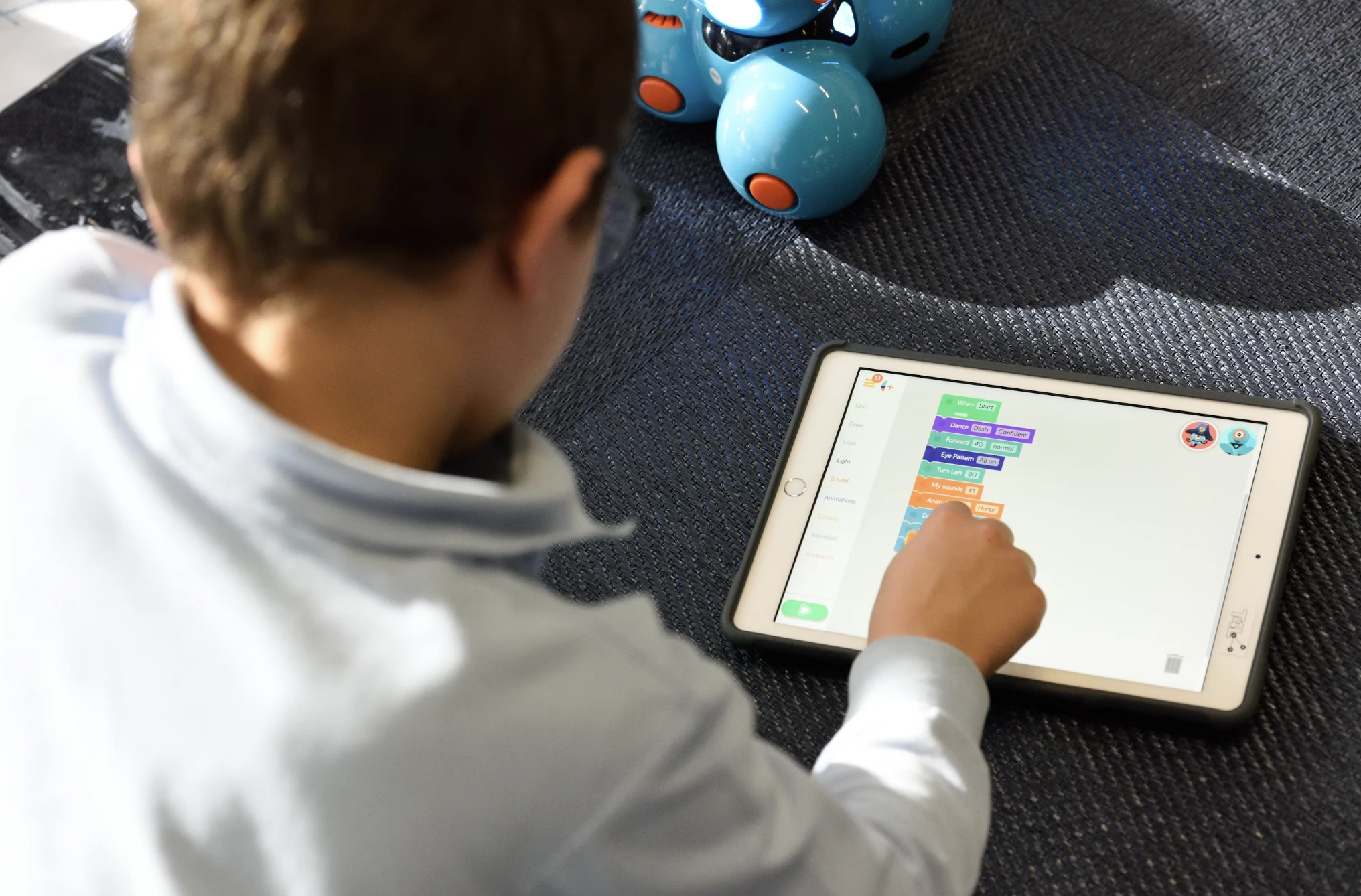
Image by stem.T4L, from Unsplash
AI Self-Study Rooms Gain Popularity In China As Affordable Alternatives To Private Tutors
- Written by Kiara Fabbri Former Tech News Writer
- Fact-Checked by Justyn Newman Former Lead Cybersecurity Editor
A new business model in China’s education sector, the “AI self-study room,” is gaining attention and sparking mixed reactions. These rooms differ from traditional study spaces by equipping each desk with a tablet-like AI learning device that manages both lessons, and exercises for students.
In a Rush? Here are the Quick Facts!
- AI self-study rooms in China use tablets to manage lessons and exercises.
- AI tablets offer affordable alternatives to private tutoring amid government crackdown.
- Experts highlight limitations of AI tablets, including low engagement and limited functionality.
According to Huang, who manages a self-study room in Beijing’s Fengtai District, these AI self-study rooms combine learning devices, study supervisors, and a focused environment, as reported by the Global Times .
Students use the devices for online courses and exercises, while AI helps supervisors identify knowledge gaps and tailor study plans. Real-time learning reports are also provided for parents to track progress.
Rest Of World (ROF) noted that China’s educational device market is expected to reach $20 billion by 2026, fueled by a surge in AI-powered tablets . While personal educational tools like portable dictionaries have been around for decades, AI-driven technology has reinvigorated the sector, attracting attention from tech companies.
Despite the growing popularity of these AI-assisted learning spaces, opinions are divided. Indeed, Global Times reports that some critics argue that the devices do not truly utilize AI, viewing them as a marketing gimmick. Others highlight their potential in improving learning efficiency, quality, and access to educational resources.
A parent interviewed by the Global Times praised the interactivity of the AI devices, which analyze student performance and adjust questions to meet specific learning goals. In areas with fewer educational resources, AI is seen as a solution to inequality, offering personalized tutoring at a fraction of the cost.
Indeed one key factor driving the demand for AI tablets is a government crackdown on tutoring. China’s after-school education market, once serving 137 million students in 2016, has faced significant restrictions, as reported by ROF.
In response to growing pressure on students and parents, the government shut down a large portion of educational firms, revoking licenses for 96% of offline businesses and 87.1% of online ones, as reported by ROF. Despite the drop in tutor availability, demand remains high, leading many parents to seek alternatives like AI tablets for supplemental education.
A study by iResearch, reported by ROF, revealed that 56.3% of parents plan to allocate 10%–30% of their education budget to smart learning devices, with 15.7% willing to spend over 40%, as tutoring expenses decrease.
AI tablets have become particularly popular in less-developed cities, where parents often lack the knowledge or resources to help their children academically.
Indeed, using the AI study room costs 3,000 yuan ($411) per month, with additional charges on weekends. In comparison, hiring a teacher for private tutoring costs up to 500 yuan for two hours, as reported by the Global Times. However, while the AI self-study model is seen as a way to enhance educational equity, challenges remain.
Global Times notes that some students report issues with the devices, which may make errors or offer limited functionality. Critics also warn that the devices, marketed as AI, may simply be app bundles with basic features, lacking personalized learning.
Additionally, education professionals question the tablets’ effectiveness in improving student performance. Kelly Zhang, a former tutor and AI education company employee, noted to ROF, “These tablets don’t offer much beyond resources already available online.”.
Edward Wang, a former test-prep contractor, pointed to ROF that many students lack the focus and motivation to benefit from the devices. “Our data indicates that most video classes have an under 20% open rate and an under 10% completion rate,” he said.
Global Times further noted that experts recognize that AI in education has the potential to improve learning efficiency, bridge regional disparities, and provide personalized solutions that allow remote students to access quality education.
However, they also highlight challenges within the industry, such as low integration and inconsistent quality, which hinder its full potential, as reported by Global Times. Additionally, in is worth noting that tablet use has been associated with emotional dysregulation in children , causing anger outbursts.
Regulatory clarity is needed to guide the sector’s development. Professor Huang Changqin of the Zhejiang Key Laboratory of Intelligent Educational Technology calls for standardized testing and third-party accreditation for these AI-powered educational tools, as reported by the Global Times.
Public school purchases also contribute to the rise in tablet sales. Companies like iFlytek, known for its AI tablets, have secured strategic partnerships with local governments, incorporating their products into schools’ daily operations, says ROF.
Despite a 2022 government ban on compulsory sales of educational devices in schools, some schools continue to push parents to buy these tablets, as reported by ROF.
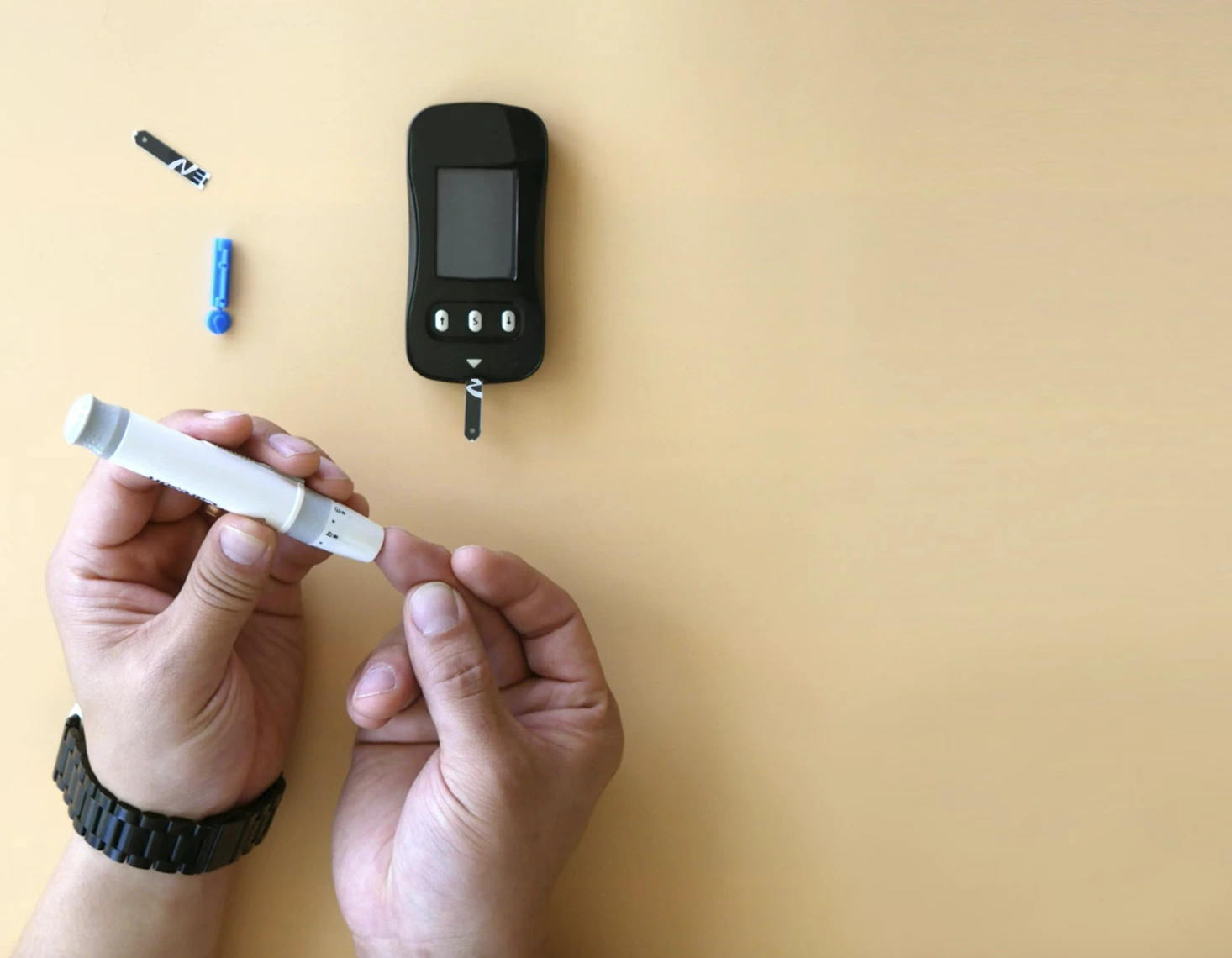
Image by isens usa, from Unsplash
NHS Trials AI Technology To Spot Diabetes Risk A Decade In Advance
- Written by Kiara Fabbri Former Tech News Writer
- Fact-Checked by Justyn Newman Former Lead Cybersecurity Editor
Two NHS hospital trusts in London are pioneering the use of artificial intelligence (AI) to identify type 2 diabetes risk up to a decade before symptoms emerge, as first reported by the BBC .
In a Rush? Here are the Quick Facts!
- AI system Aire-DM detects type 2 diabetes risk via ECGs up to 10 years early.
- The system predicts diabetes risk with 70% accuracy, improving with additional data.
- Clinical trials involving 1,000 patients will begin in 2025 to evaluate effectiveness.
Imperial College and Chelsea and Westminster NHS foundation trusts have begun training Aire-DM, an AI system designed to analyze electrocardiograms (ECGs) for subtle, early warning signs of the condition.
The technology focuses on detecting changes in ECG heart traces that are too nuanced for doctors to spot unaided. “It’s not as simple as saying it’s this or that bit of the ECG,” explained to the BBC Dr. Fu Siong Ng, lead researcher. “It’s looking at a combination of subtle things.”
The BBC reported that preliminary results suggest Aire-DM can predict diabetes risk with approximately 70% accuracy. When combined with other patient data, such as age, sex, blood pressure, and weight, the system’s accuracy improves. Clinical trials, scheduled for 2025, aim to evaluate its effectiveness further.
An ECG records the heart’s electrical activity, revealing issues like rate and rhythm. Aire-DM leverages this data to provide insights that could revolutionize early diabetes detection.
According to the BBC, up to 1,000 patients across the two trusts will participate in the trials, which researchers hope will pave the way for wider NHS adoption. However, experts caution that implementation across the health service may take at least five years.
The British Heart Foundation, which is funding the project, underscores its potential to save lives.
“This exciting research uses powerful artificial intelligence to analyse ECGs, revealing how AI can spot things that cannot usually be observed in routinely collected health data,” said to the BBC Professor Bryan Williams, the foundation’s Chief Scientific and Medical Officer.
“This kind of insight could be a gamechanger in predicting future risk of developing type 2 diabetes, years before the condition begins,” he added.
Dr. Faye Riley of Diabetes UK highlighted the importance of early intervention. “AI-powered screening methods offer a promising new way to spot those likely to develop type 2 diabetes years in advance, allowing them to access the right support and prevent serious complications, such as heart failure and sight loss,” she said to the BBC.
This initiative reflects a growing trend of integrating AI into healthcare. Beyond diabetes prediction, the NHS has already adopted AI for detecting fractures and diagnosing lung cancer .
Additionally earlier this month, the NHS announced to be leveraging AI and High Intensity Use (HIU) services to identify frequent A&E users and provide tailored care. This initiative addresses underlying issues like poverty and social isolation, reducing A&E visits by over half in some areas.
AI predicts at-risk patients, offering preventative support and easing NHS pressures. Overall the NHS argues that AI is transforming healthcare by automating repetitive tasks, enabling faster, more accurate diagnoses, reducing errors, and lowering costs.
AI empowers patients with direct access to health information, promoting democratization of care. However, challenges persist, including data privacy, lack of standards, and ethical concerns like accountability and transparency.
However the NHS also notes that AI systems depend on training data, which may not always reflect clinical realities, necessitating realistic expectations. Healthcare practitioners must adapt , learning when and how to use AI, interpret results, and communicate effectively.
This shift requires updated training to maximize AI’s benefits while navigating its complexities and ensuring equitable, trustworthy healthcare delivery.
