
Image by Ed Hardie, from Unsplash
AI Now Writes 30% of Microsoft’s Code, Says CEO Satya Nadella
- Written by Kiara Fabbri Former Tech News Writer
- Fact-Checked by Sarah Frazier Former Content Manager
Microsoft CEO Satya Nadella revealed on Tuesday that artificial intelligence now generates between 30% and 100% of Microsoft’s code, as reported by CNBC.
In a rush? Here are the quick facts:
- Nadella says AI-written code is growing, especially in languages like Python.
- Meta expects half of its development could be AI-driven within a year.
- Google claims over 30% of its new code is also AI-generated.
Nadella noted that the percentage of AI-generated code continues to grow, especially in the Python programming language, while C++ remains challenging for AI systems, as reported by TechCrunch . Microsoft has explained that artificial intelligence has become an established component of its software development processes.
During the discussion about Meta’s AI coding practices, Zuckerberg failed to provide specific numbers but confirmed the company is developing an AI system to build future versions of its Llama AI models.
“Our bet is sort of that in the next year probably … maybe half the development is going to be done by AI, as opposed to people, and then that will just kind of increase from there,” Zuckerberg said, as reported by CNBC.
Major tech companies continue to implement AI systems that take over various tasks once performed manually by developers. The launch of ChatGPT in late 2022 triggered widespread AI adoption for coding, customer service operations, and marketing content production.
Microsoft’s CTO forecasts that AI will generate 95% of all code by 2030—pointing toward a future where manual coding may become nearly obsolete, as noted by TechCrunch.
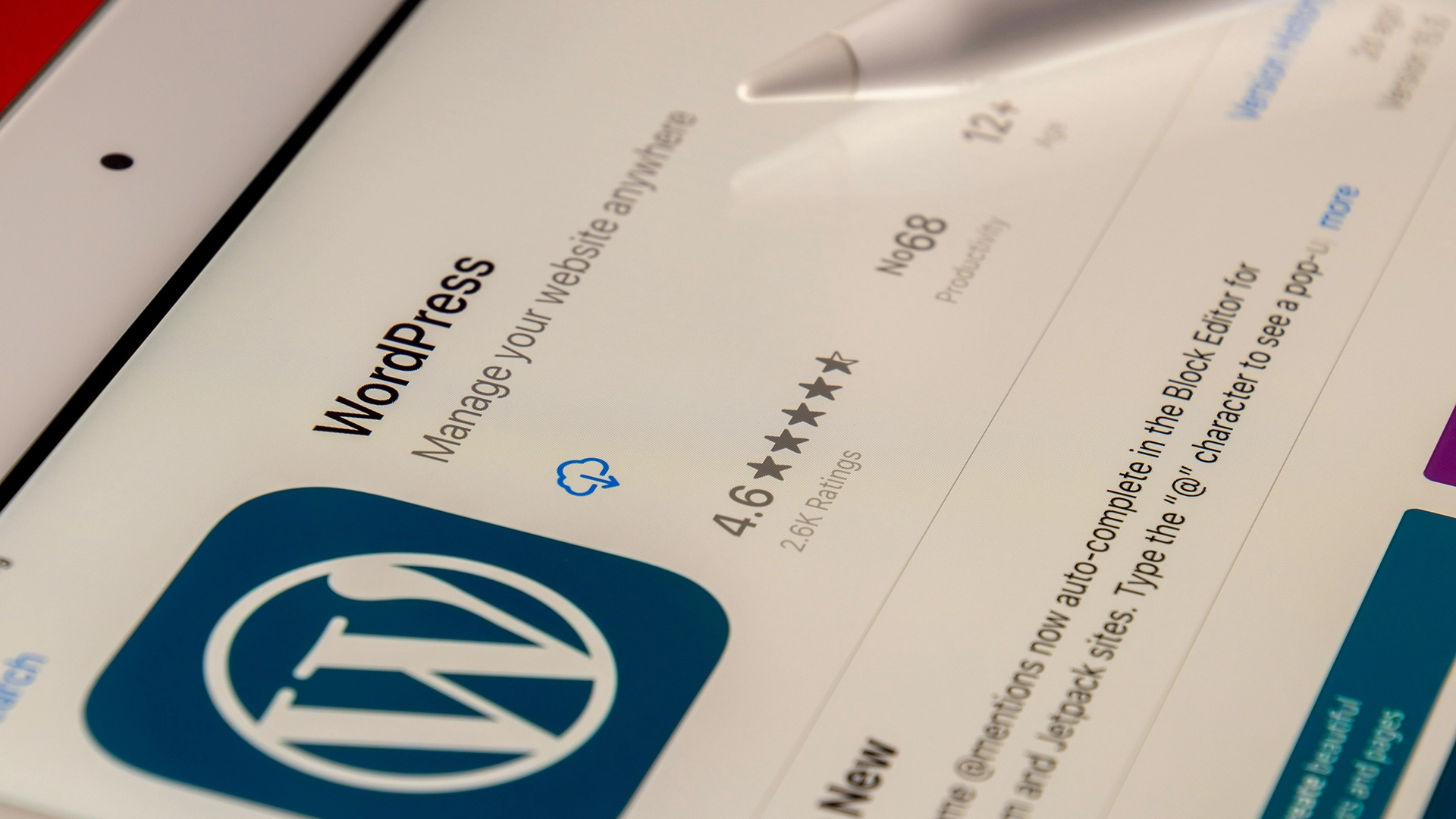
Image by Souvik Banerjee, from Unsplash
New Malware Disguises as Anti-Malware Plugin on WordPress
- Written by Kiara Fabbri Former Tech News Writer
- Fact-Checked by Sarah Frazier Former Content Manager
A new WordPress malware disguised as an anti-malware plugin grants attackers remote access, with updated security measures being rolled out by Wordfence.
In a rush? Here are the quick facts:
- New malware, “WP-antymalwary-bot.php,” disguises itself as an anti-malware plugin on WordPress.
- Malware grants attackers access to site dashboards and executes remote code.
- Attackers can inject malicious JavaScript and redirect visitors to harmful sites.
A new variant of malware has been discovered on WordPress sites, disguised as a legitimate anti-malware plugin. Identified by Wordfence security analysts as “WP-antymalwary-bot.php,” this malware allows attackers to access site dashboards while remaining invisible to admin views, and as a result, it enables the remote execution of harmful code.
The malware was first detected by Wordfence on January 22, 2025, during a routine site cleanup.The plugin functions as an ordinary WordPress tool yet contains a backend command feature that enables attackers to perform administrator logins.
The malware maintains contact with a Command & Control (C&C) server, allowing attackers to issue remote commands. It also enables attackers to distribute malware by adding malicious JavaScript code to other directories.
To make matters worse, Wordfence reports that the malware hides itself from the WordPress plugin list, making it even harder for website owners to spot. It also uses the WordPress task scheduler to maintain its presence on the site. This means that if the malicious plugin is removed, the malware can simply reappear after the site is visited again.
The malware also communicates with a server in Cyprus, reporting back information and possibly receiving further instructions. Wordfence reports that new versions of the malware continue to emerge, including one that schedules regular events to keep the attack going.
Experts recommend WordPress users stay vigilant and update their security plugins.
