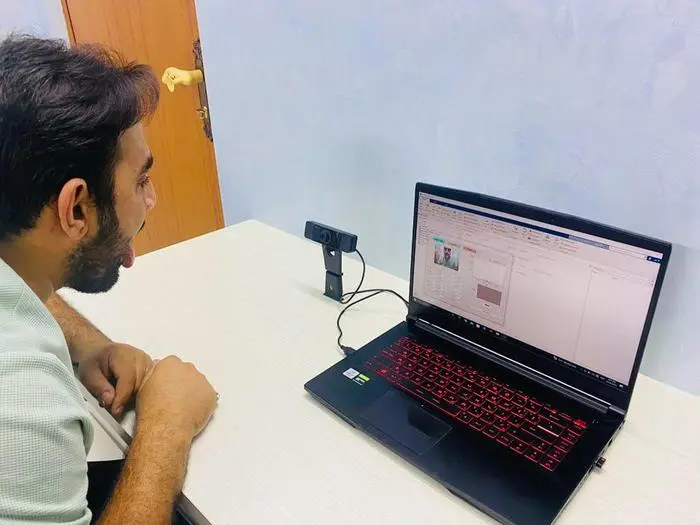
Image from Middle Technical University
AI Model Achieves 98% Accuracy In Diagnosing Diseases Through Tongue Analysis
- Written by Kiara Fabbri Former Tech News Writer
- Fact-Checked by Justyn Newman Former Lead Cybersecurity Editor
A recent research article showed that an AI-powered model has achieved a remarkable 98.71% accuracy rate in diagnosing various diseases by analyzing patients’ tongues. The AI model can identify conditions such as diabetes, stroke, anemia, asthma, liver and gallbladder issues, COVID-19, and several vascular and gastrointestinal problems.
The study, announced today by the University of South Australia, utilized various color models and machine learning algorithms to train the AI. The system processes and classifies tongue images based on color, shape, and texture. It was trained with 5,260 images across seven color categories and demonstrated high accuracy.
In the announcement, Senior Author Ali Al-Naji, Adjunct Associate Professor at MTU and UniSA, points out that this AI model is mimicking a 2,000-year-old practice from traditional Chinese medicine: using tongue examination to detect signs of disease.
Two teaching hospitals in the Middle East provided 60 tongue images from patients with different health conditions. In the study, cameras positioned 20 centimeters from the patients captured their tongue color, and the imaging system predicted their health condition in real time.
The AI-powered system was trained with six machine learning algorithms to predict tongue color under different lighting conditions. These algorithms are naïve Bayes (NB), support vector machine (SVM), k-nearest neighbors (KNN), decision trees (DTs), random forest (RF), and Extreme Gradient Boost (XGBoost).
Despite its successes, the study had limitations. These included patient reluctance to consent for data collection and issues with camera reflections affecting color accuracy. The researchers stated that future studies will tackle these problems by using advanced image processors, filters, and deep learning techniques to enhance color classification and diagnostic precision.
Significant progress has been made in AI-based tongue diagnosis, with improvements in feature extraction, data diversity, and algorithm sophistication leading to greater accuracy and reliability. These advancements highlight AI’s potential to advance traditional Chinese medicine and other medical fields.
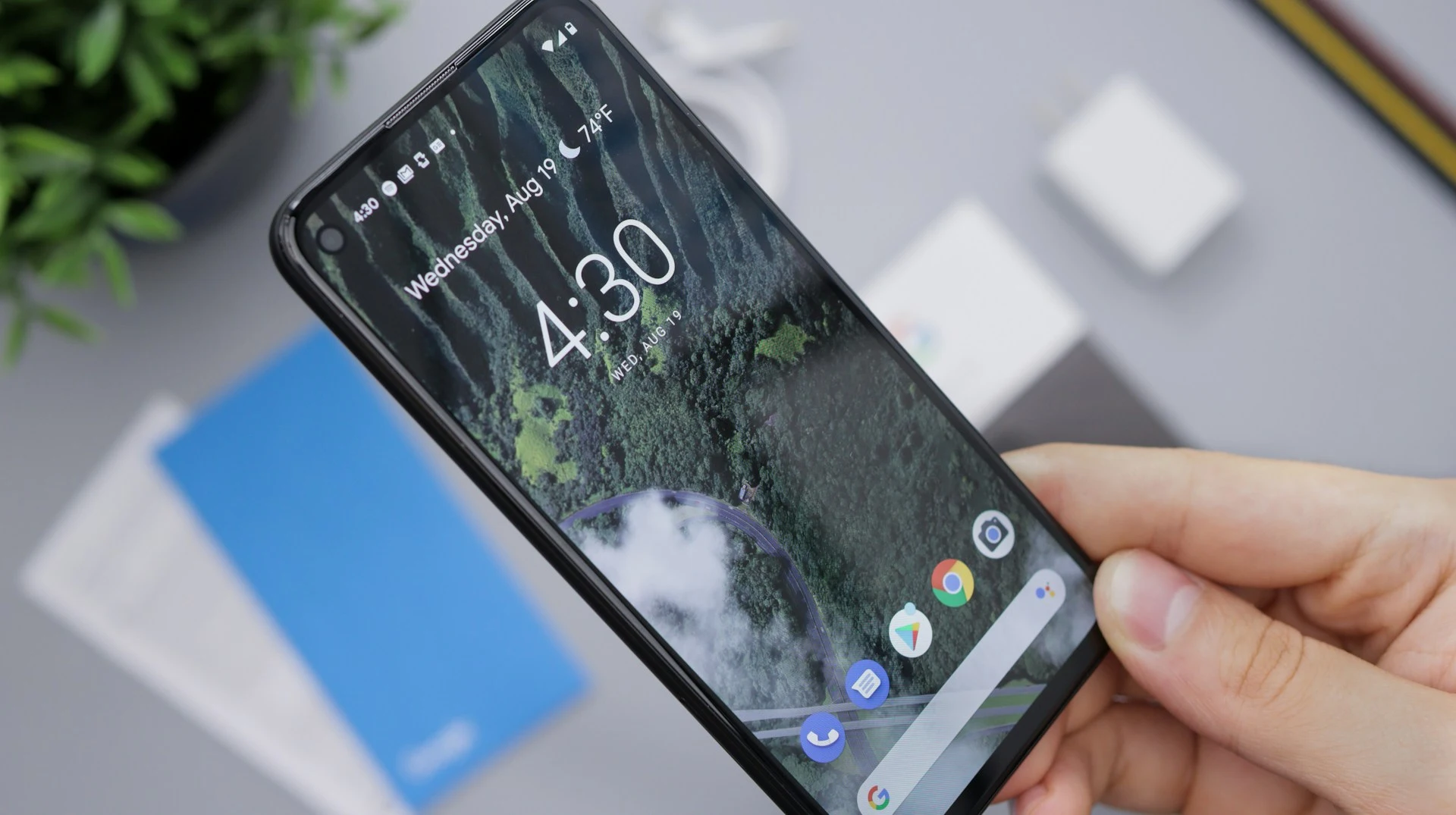
Photo by Daniel Romero on Unsplash
Google Announces Major Updates For Pixel 9 At Annual Event
- Written by Andrea Miliani Former Tech News Expert
- Fact-Checked by Justyn Newman Former Lead Cybersecurity Editor
Google announced new Pixel devices at its annual event, Made by Google , on Tuesday. The tech giant did its ninth event ahead of the traditional date in October and launched the new Pixel 9 series, new AI-powered features, and new smartwatch and earbud models.
“It’s the biggest update we’ve ever made for the Pixel family,” said Brian Rakowski, vice President of Product Management for Pixel phones and accessories, at the Made by Google event. “We have four new phones, including the gorgeous new Pixel 9, and the reimagined Pixel 9 Pro Fold.”
The new Pixel 9 series includes—for the first time– multiple sizes and pro-level models. Customers will be able to choose from the Pixel 9, the Pixel 9 Pro, the Pixel 9 Pro XL, and the new folded version, the Pixel 9 Pro Fold.
According to Wired , the biggest difference between the standard and the Pro models is the camera technology. The pro versions will have up to a 10X “optical-like” zoom and advanced autofocus sensors. The selfie camera will have better light sensitivity than previous models and wider field views. “You’ll be able to squeeze more people into the frame when you hold out your arm to take an ussie,” wrote Wired.
All the new models include speed charging capacities and Google promised that the devices will be able to reach 70% of charge within 30 minutes, and will have better battery and life expectancy than Pixel 8.
Just as hinted in a teaser shared a few weeks ago , many of Google’s new devices include features promoted at the Google I/O event in May . This new generation will be the first to run Gemini Nano With Multimodality, meaning that users will be able to interact with the AI models not only through text but also speech, images, and audio as the devices can “listen” and “see.”
The new Pixel devices will officially go on sale on August 22, but preorders are already available. Pixel 9 costs $799, the Pro version $999—its XL size $1,099—, and the folded version $1,799. All purchases will include the Google One AI Premium Plan for free for one year.
Foldable devices have been gaining a lot of popularity, and there are rumors that Apple could also release a new foldable iPhone model in 2026 .
