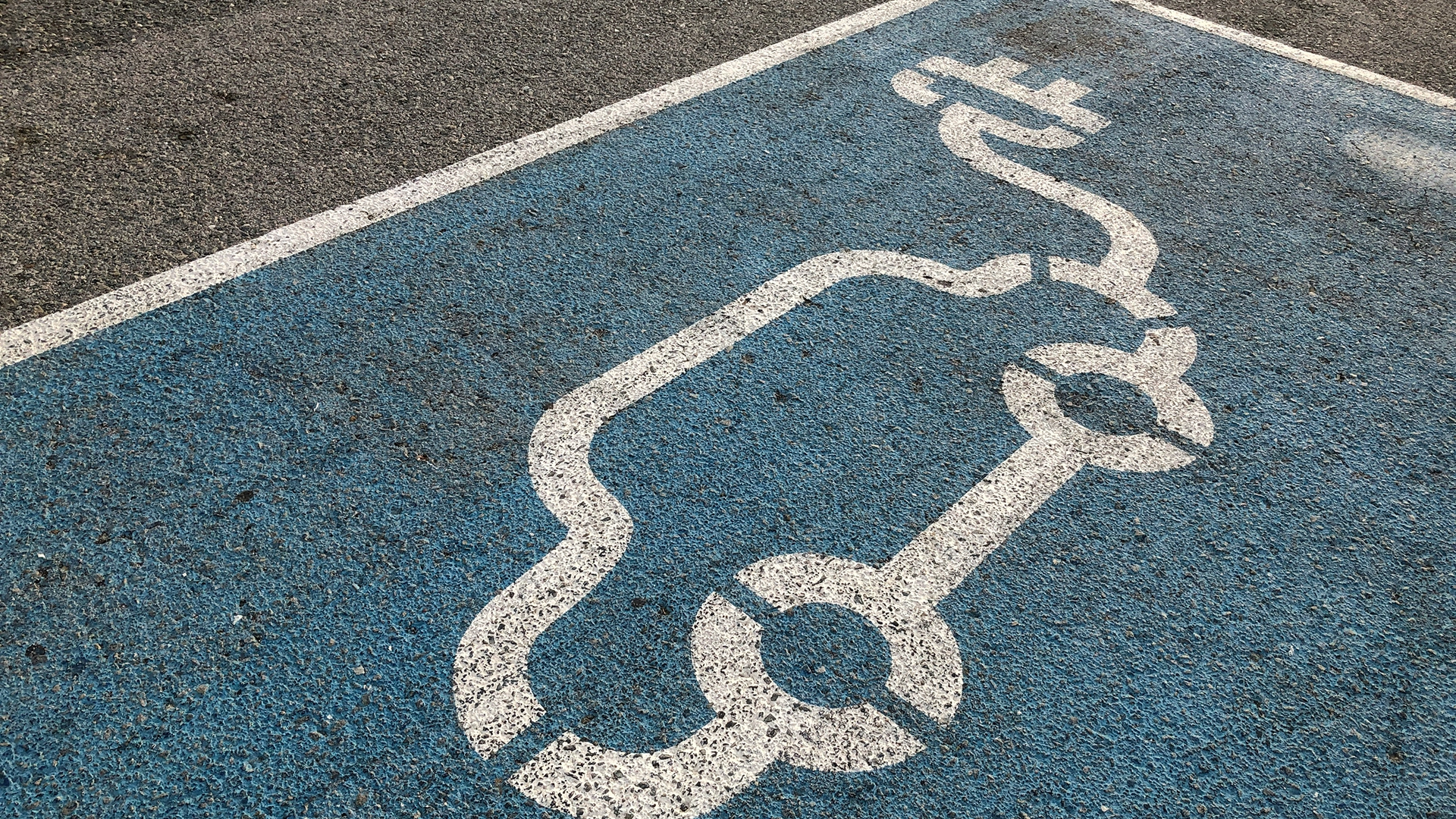
Image by Red Dot, from Unsplash
AI Could Protect Your Electric Car From Cyberattacks
- Written by Kiara Fabbri Former Tech News Writer
- Fact-Checked by Sarah Frazier Former Content Manager
As electric vehicles (EVs) grow in popularity, their charging stations are becoming prime targets for cybercriminals. Hackers could disrupt power grids, steal sensitive data, or even take control of charging systems.
In a rush? Here are the quick facts:
- AI predicts cyberattacks on EV chargers before they happen.
- GAN-GRU model shows highest accuracy in threat detection.
- Real-world attacks on EV chargers already occurred globally.
To combat this, researchers have developed an AI system that can forecast cyberattacks before they strike—giving operators crucial time to intervene.
A new study published in Scientific Reports introduces an AI-powered cybersecurity tool that predicts when an attack is likely to occur on an EV charging station. The system, based on a Generative Adversarial Network (GAN), estimates the Remaining Useful Life (RUL)—essentially calculating how much time remains before a cyberattack might happen.
By analyzing patterns in past attacks, the AI can warn operators in advance, allowing them to strengthen defenses or shut down vulnerable systems.
These AI systems were trained on real-world cyberattack data, including denial-of-service (DoS) attacks, ransomware, and data breaches, ensuring they could recognize both known and emerging threats.
Cyberattacks on EV charging stations are not just theoretical—they’ve already happened. The paper notes that in 2018 security researchers demonstrated how hackers could remotely disable charging stations.
The authors also cite that in 2021 a simulated attack in Europe revealed how cybercriminals could manipulate charging loads to destabilize power grids. And in 2023, a ransomware attack temporarily shut down charging networks in the U.S. and Europe.
These incidents highlight the urgent need for stronger cybersecurity measures.The researchers say that the new AI system offers several key advantages.
First, it reduces false alarms, ensuring operators only act on credible threats. Second, it provides early warnings, giving technicians time to patch vulnerabilities or isolate compromised systems. Third, it continuously improves by learning from new attack patterns, making it more effective over time.
Looking ahead, researchers suggest integrating this AI with blockchain technology to further secure transactions and user data. They also recommend real-world testing in live charging networks to refine the system’s accuracy.
As EV adoption accelerates, AI-driven cybersecurity could be the key to keeping charging stations—and the broader power grid—safe from hackers. With cyber threats growing more sophisticated, AI-powered defenses may soon become a standard feature in EV charging networks worldwide.

Image by Mike Mozart, from Flickr
23andMe Files for Bankruptcy, Raising Concerns Over Genetic Data Sales
- Written by Kiara Fabbri Former Tech News Writer
- Fact-Checked by Sarah Frazier Former Content Manager
Genetic testing company 23andMe has filed for Chapter 11 bankruptcy, leaving the fate of millions of customers’ genetic information uncertain.
In a rush? Here are the quick facts:
- The breach exposed genetic and ancestry data of nearly seven million users.
- Privacy advocates fear the company’s DNA database could be sold to third parties.
- Experts warn genetic data is permanent and can’t be revoked once compromised.
The company, once valued at nearly $6 billion, has faced significant financial and legal challenges following a massive data breach in 2023 that exposed the personal information of nearly seven million users, as noted by Reuters .
The breach, which lasted five months, allowed hackers to access sensitive customer data, including health-related genetic information, birth years, and geographic locations.
Following the incident, 23andMe has been hit with over 50 class-action lawsuits and arbitration claims from around 35,000 individuals. The company is seeking bankruptcy protection partly to manage the legal fallout, as it may not have the funds to cover potential damages, as reported by 404 Media .
The situation has become so dire that California Attorney General Rob Bonta issued a privacy alert urging 23andMe users to delete their data and request the destruction of their genetic samples. “Given 23andMe’s reported financial distress, I remind Californians to consider invoking their rights and directing 23andMe to delete their data,” he said.
This stark warning highlights how vulnerable consumer genetic data becomes when entrusted to a struggling corporation. While 23andMe claims in customer communications that “your data remains protected” and that the bankruptcy filing “does not change how we store, manage, or protect customer data,” privacy experts are sounding alarms.
The company’s bankruptcy filing reveals it owes money to various pharmaceutical companies, AI firms, and health insurers – exactly the types of organizations that might be interested in acquiring a massive genetic database, as noted by 404 Media.
This isn’t just theoretical – other DNA companies have already set troubling precedents. GED Match, which originally promised to protect user data, was sold to a forensic genetics company that works with the FBI, as reported by 404 Media.
Additionally, police now routinely use commercial DNA databases to identify suspects, raising concerns about genetic surveillance.
The fundamental problem is that DNA data isn’t like other personal information – it can’t be changed if compromised, and it reveals information not just about you but about your relatives too.
Once you’ve handed over your genetic material to a company, you lose control over how it might be used in the future, especially if that company goes bankrupt and sells its assets.
23andMe maintains that any buyer would have to “comply with applicable law with respect to the treatment of customer data.” However, as privacy advocates point out, U.S. laws offer minimal protection against the commercialization or sharing of genetic information, as noted by 404 Media.
For the 15 million people who have used 23andMe’s services, the message is clear: your most personal data could soon belong to someone else. While the company continues operating during bankruptcy proceedings, concerned customers are rushing to delete their accounts.
The 23andMe bankruptcy serves as a cautionary tale about the risks of the genetic testing industry, where sensitive biological data becomes corporate property with an uncertain future.
As the company prepares for a fire sale, millions are left wondering – who will own their DNA tomorrow, and what will they do with it?
