
image by macrovector, from Freepik
AI Chatbot Outperforms Physicians In Trial, But Doesn’t Improve Diagnostic Performance
- Written by Kiara Fabbri Former Tech News Writer
- Fact-Checked by Sarah Frazier Former Content Manager
A clinical trial found that while an AI chatbot outperformed physicians in diagnostic accuracy, it did not enhance performance when used alongside conventional resources, highlighting the need for better AI integration in healthcare.
In a Rush? Here are the Quick Facts!
- No significant time advantage was found in using the AI tool in diagnostics.
- Physicians performed only slightly better with the AI chatbot than without it.
- Experts suggest training physicians in prompt techniques could enhance AI use in healthcare.
The Times reported on Sunday about a recent clinical trial investigating the impact of a commercially available large language model (LLM) chatbot on physician diagnostic reasoning.
The study revealed that, while the AI tool outperformed physicians, it did not improve diagnostic performance when used alongside conventional resources.
This finding highlights the need for better integration of AI into clinical practice, especially as many health systems now offer AI-driven chatbots without substantial training for physicians.
The randomized trial found that while the chatbot outperformed both groups of human physicians—those with and without access to the tool—physicians using the chatbot performed only slightly better than those without it.
The study showed no significant time advantage in using the LLM, suggesting that the mere presence of an AI tool in clinical settings may not enhance the overall diagnostic process. An unexpected result was the LLM’s superior performance, with an average diagnostic accuracy of 90% compared to 74-76% for physicians.
The researchers argue that this highlights the importance of well-crafted prompts when interacting with LLMs, with experts suggesting that training physicians in best prompting practices might enhance their use of the tool.
The paper argues that healthcare organizations could invest in pre-defined prompts to help bridge the gap between AI tools and physicians’ expertise.
While AI has the potential to be a valuable “doctor extender,” offering second opinions and aiding in complex decision-making, the study’s authors caution against using AI for autonomous diagnosis.
The study focused on clinical vignettes curated by human clinicians, but real-world diagnoses involve more complex factors, including patient interaction and data collection.
AI should be viewed as an aid to physicians rather than a replacement, especially since the chatbot’s lack of contextual understanding and emotional intelligence limits its applicability in diverse clinical settings.
The study also introduced a novel structured reflection tool to assess clinical reasoning, providing a more nuanced evaluation of diagnostic skills. The tool showed substantial agreement between graders, further advancing diagnostic reasoning assessments in AI research.
Despite the promising results from early studies on AI’s ability to collect and summarize patient data, experts argue that more research is necessary before AI can be fully integrated into clinical decision-making processes.
This issue is important to address as AI continues to gain a stronger foothold in healthcare. For example, the NHS recently announced its use of AI for early cancer diagnosis and fracture detection . In addition, the World Economic Forum recently suggested that AI could help address the global mental health crisis .
Ultimately, improving AI’s role in healthcare will require more deliberate human-computer interaction design and an understanding of the diverse challenges faced in clinical environments.
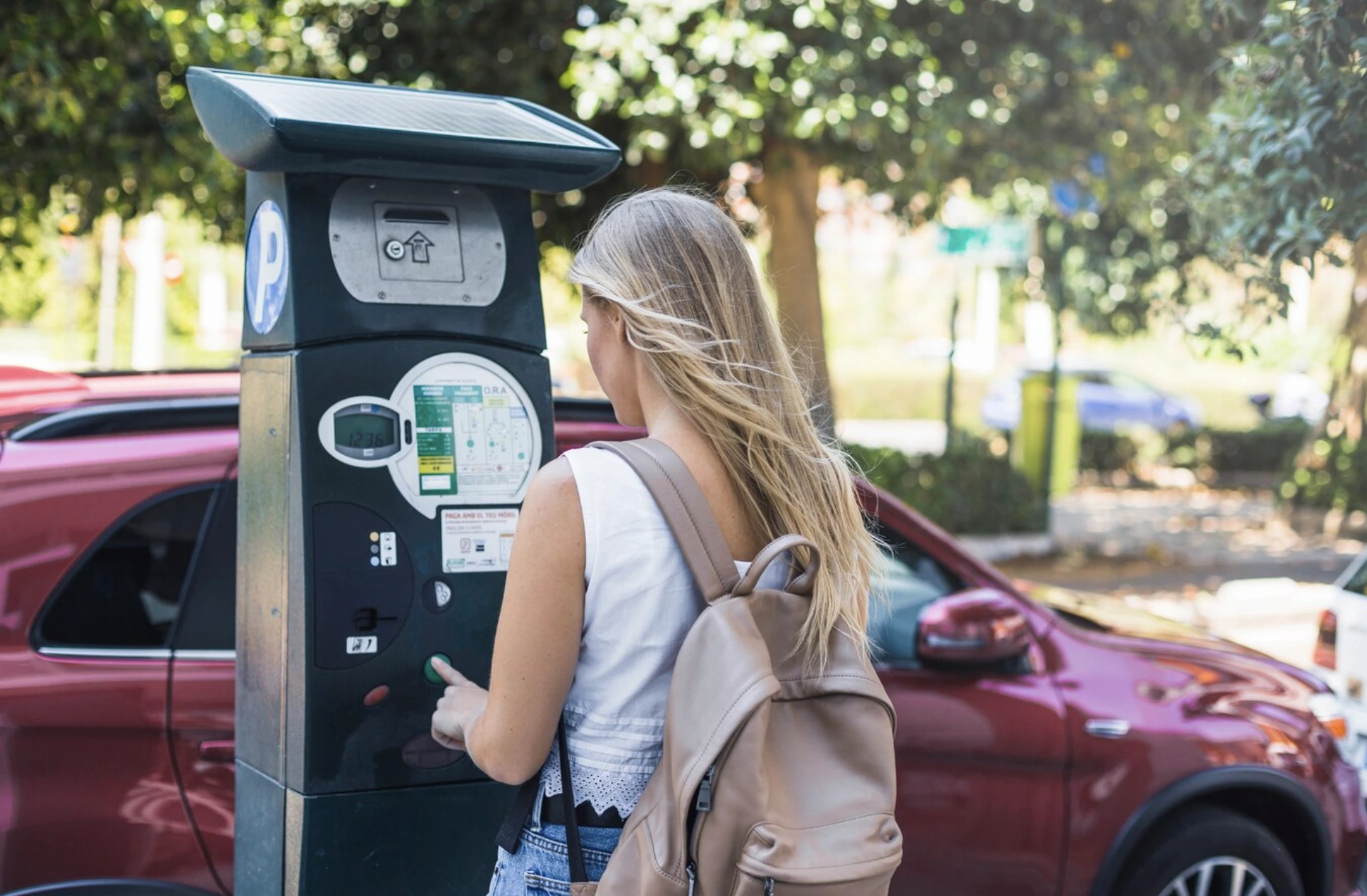
Image by Freepik
Rising QR Code Scams On Parking Meters
- Written by Kiara Fabbri Former Tech News Writer
- Fact-Checked by Sarah Frazier Former Content Manager
Scammers use fake QR codes on parking meters, stealing over $2.3 million from unsuspecting motorists.
In a Rush? Here are the Quick Facts!
- Over 750 QR code scam cases reported in Florida since January 2024.
- Scammers place fake QR codes over legitimate ones on parking meters.
- Miami, Fort Lauderdale, Orlando, and Tampa are hotspots for these scams.
A new wave of scams in Florida is targeting motorists through fake QR codes, combining modern technology with traditional fraud to steal financial and personal information, as reported today by News Break .
Known as the “ Park-and-Pay ” scam, the scheme involves counterfeit QR codes placed on parking meters and pay-to-park signs, tricking drivers into visiting fraudulent websites that mimic official payment portals, reported News Break.
Since January 2024, over 750 cases have been reported across the state, with financial losses surpassing $2.3 million, according to the Florida Department of Law Enforcement (FDLE). Victims lose an average of $3,100 each, with incidents concentrated in Miami, Fort Lauderdale, Orlando, and Tampa, as reported by News Break.
Scammers execute the fraud by covering legitimate QR codes with fake ones. When drivers scan the codes, they are redirected to convincing but counterfeit websites, said News Break.
Believing they are paying for parking, victims unknowingly share their credit card details, giving criminals direct access to their accounts. In some instances, the sites also install malware, compromising victims’ personal data further, as reported by News Break.
QR codes, widely used for their convenience in accessing websites and payment platforms, have become a tool for sophisticated cybercriminals.
The risks of falling for such scams extend beyond financial loss. Stolen data may be used for unauthorized purchases or identity theft, and malware can further compromise devices, allowing scammers to extract additional information, noted News Break.
Florida’s status as a tourist hub, with heavy foot traffic and frequent use of digital parking systems, makes it an ideal target for this type of crime. Authorities are urging vigilance to prevent further losses, noted News Break.
Drivers are advised to closely inspect QR codes for signs of tampering, such as stickers placed over original codes, and to verify website addresses before entering any information. Using official parking apps, downloaded directly from trusted sources, can help reduce the risk of fraud, said News Break.
Regular monitoring of financial statements is also recommended to catch any unauthorized transactions promptly. Law enforcement encourages anyone encountering suspicious QR codes or suspecting they have been scammed to report the incident, as reported by News Break.
In recent news, Swiss authorities warn of fraudulent MeteoSwiss letters containing malware-laden QR codes , targeting e-banking data. These scams also exploit QR codes’ convenience to steal personal information and spread malware.
Awareness and caution are vital as scammers continue to adapt their tactics.
