
Image from Wikimedia Commons
AI Can Crack CAPTCHA with 100% Accuracy
- Written by Kiara Fabbri Former Tech News Writer
- Fact-Checked by Justyn Newman Former Lead Cybersecurity Editor
In a Rush? Here are the Quick Facts!
- AI can now solve CAPTCHAs with 100% accuracy.
- reCAPTCHA v2 relies heavily on cookies and browser history.
- Developers need to create more robust CAPTCHA technologies.
A recent study reported today by New Scientist (NS) reveals that AI can now solve CAPTCHAs with 100% accuracy.
Conducted by Andreas Plesner and his team at ETH Zurich, the research fine-tuned an AI model called YOLO (You Only Look Once), demonstrating its effectiveness in employing advanced machine learning techniques to tackle Google’s reCAPTCHA v2 system.
The researchers evaluated the performance of this automated system in solving CAPTCHAs using YOLO for image segmentation and classification.
The key finding is that YOLO can solve 100% of the CAPTCHAs, while previous models achieved only 68-71% success.
Moreover, the study indicates that there is no significant difference in the number of challenges humans and bots must complete to pass reCAPTCHA v2. Additionally, the study sheds light on the limitations of reCAPTCHA v2’s security mechanisms.
The researchers found that the system heavily relies on cookie and browser history data to determine whether a user is human or a bot. This approach, known as device fingerprinting, can be easily exploited by sophisticated AI systems, as reported by NS.
According to NS, to train the model, the researchers provided approximately 14,000 pairs of images with corresponding labels, focusing on various road objects like cars, buses, bicycles, and road crossings.
They tested YOLO’s performance in different scenarios, considering factors such as mouse movement and the presence of browser histories and cookies.
NS notes that a success rate of 100% does not imply that it answered correctly for every image presented; rather, it could reject certain images and be given alternatives, similar to human behavior.
The implications of these findings are significant. If AI can consistently bypass CAPTCHAs, it could open the door to a new wave of automated attacks, including spam, phishing, and account hijacking.
To counter this threat, the researchers emphasize the urgent need for CAPTCHA technologies to evolve proactively in light of rapid advancements in AI to ensure the ongoing reliability and security of online environments.
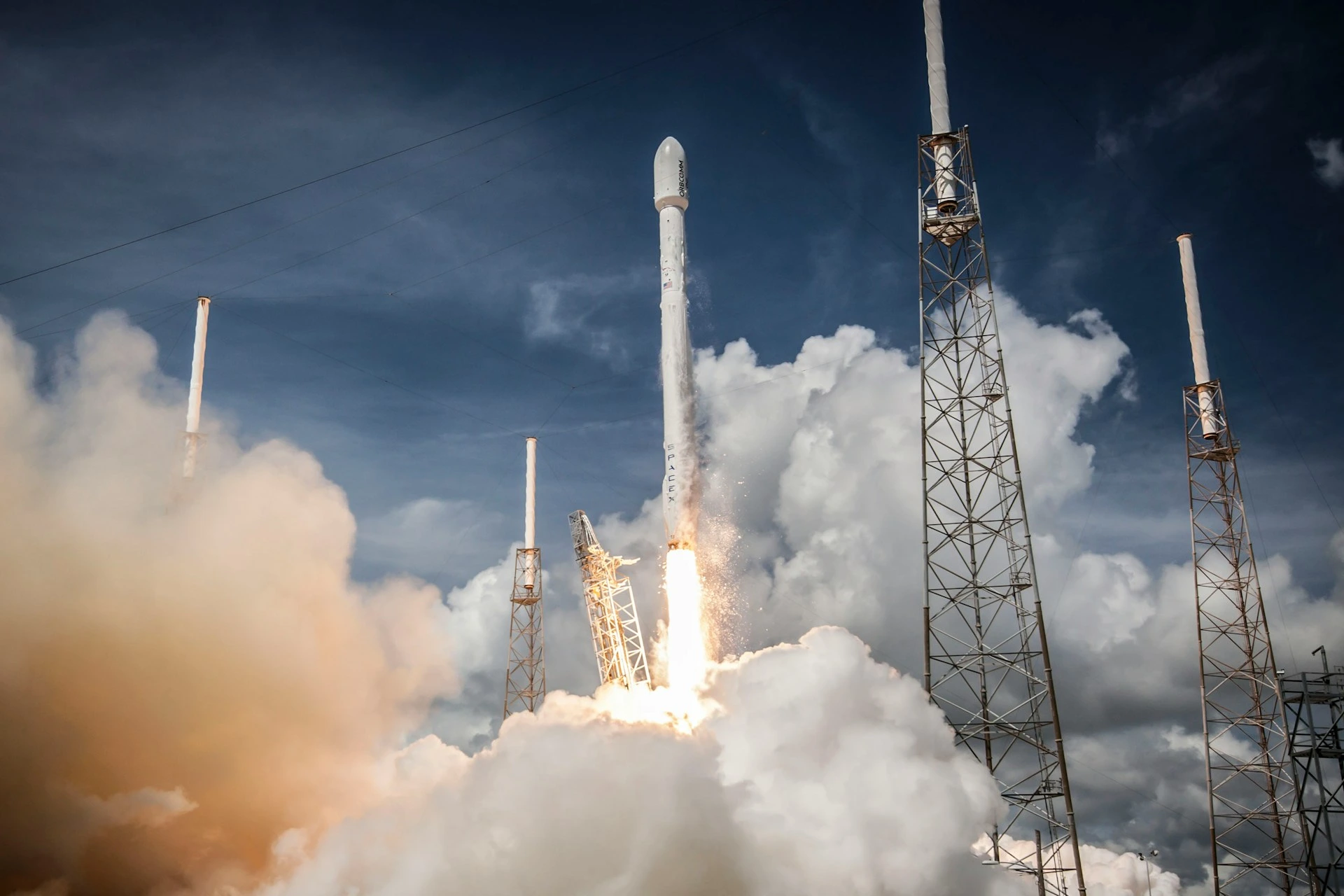
Photo by SpaceX on Unsplash
SpaceX to Send 5 Uncrewed Missions to Mars in Two Years
- Written by Andrea Miliani Former Tech News Expert
- Fact-Checked by Justyn Newman Former Lead Cybersecurity Editor
In a Rush? Here are the Quick Facts!
- Elon Musk said on X that SpaceX will launch around 5 uncrewed Starships to Mars in two years
- The CEO will launch crewed missions later if the first 5 are successful
- Musk has raised a political debate on the future of space missions in the United States
Elon Musk, Space X’s CEO, announced yesterday on X that the American aerospace company plans to launch around five uncrewed Starships to the planet Mars in two years.
“If those all land safely, then crewed missions are possible in four years,” wrote Musk. “If we encounter challenges, then the crewed missions will be postponed another two years.”
The CEO expanded more on his plan for the next few years to send humans to Mars. According to Reuters, Musk has mentioned this before and said that the first mission should happen in two years “when the next Earth-Mars transfer window opens.” In this recent post, he explains that it has to do with the nature of our solar system. “It is only possible to travel from Earth to Mars every two years when the planets are aligned,” stated Musk. “This increases the difficulty of the task, but also serves to immunize Mars from many catastrophic events on Earth.”
SpaceX is relying on its reusable model, Starship, to achieve the upcoming milestone. The company successfully tested the latest model system in June, after the first efforts failed and the rockets were destroyed.
Musk has also raised a political debate regarding the future of space missions. The CEO wrote that the current bureaucracy from the government of the United States is slowing down and affecting the missions and that he is concerned that Democratic party candidate Kamala Harris would not ease the process.
Last week, Musk also said that they are working on SpaceX “to offer travel to Mars to anyone who wants to go” and that the experience would be similar to a long sea voyage as it was centuries ago.
