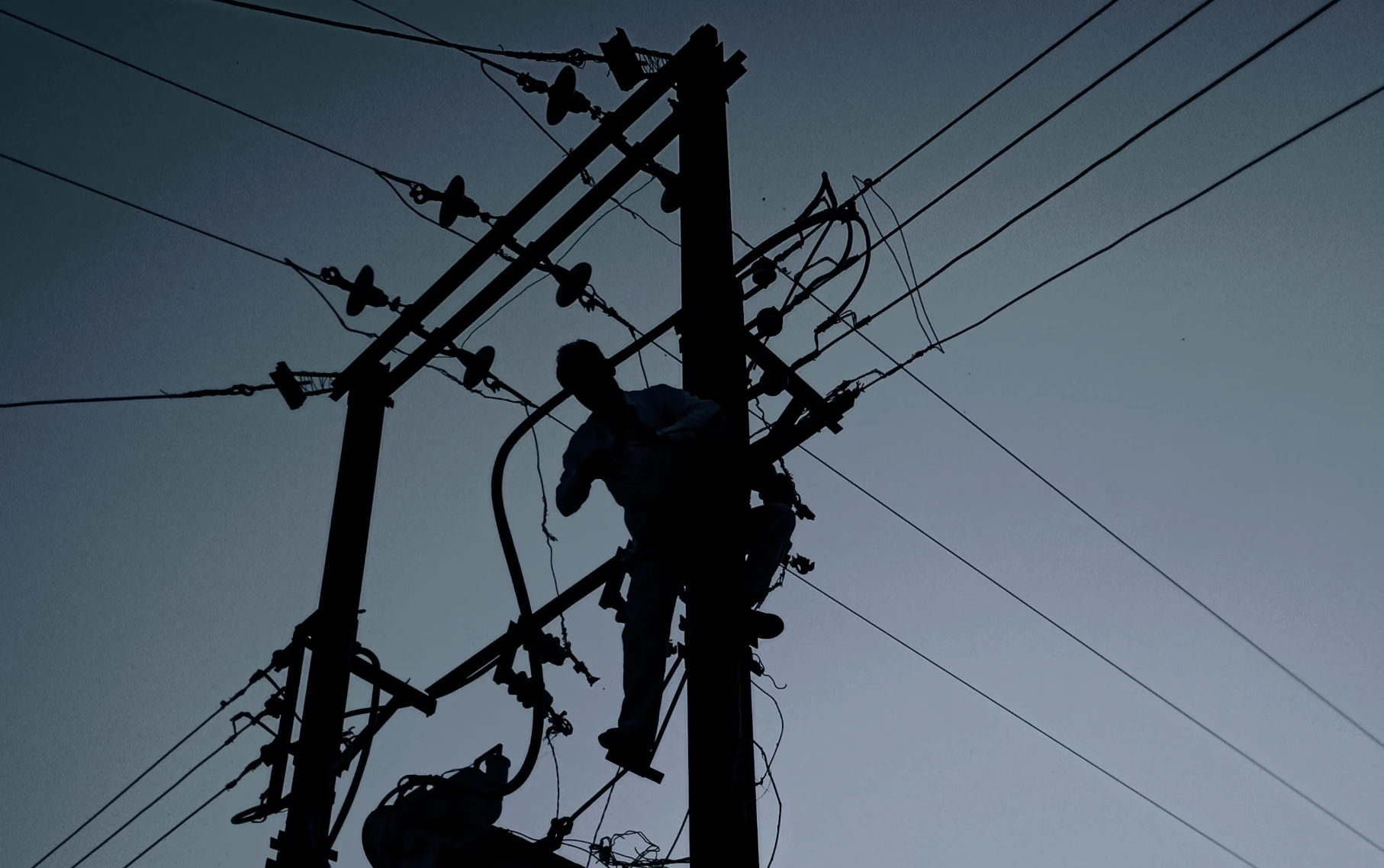
Image by Prasad Bhalerao, from Unsplash
A.I. Boom Spurs Electrician Migration To Central Washington
- Written by Kiara Fabbri Former Tech News Writer
- Fact-Checked by Justyn Newman Former Lead Cybersecurity Editor
Central Washington’s rolling sagebrush plains are undergoing a high-tech transformation, driven by the surging demand for AI, according to a report by The New York Times .
In a Rush? Here are the Quick Facts!
- Central Washington’s hydropower attracts electricians to build data centers for the A.I. boom.
- Electricians earn up to $2,800 weekly after taxes by working 60-hour weeks.
- Over 50 data centers operate in three counties, straining the region’s power grid.
The region, powered by hydropower dams along the Columbia River, has become a magnet for electricians chasing lucrative work in the booming data center industry.
With substations sprouting on farmland and orchards, hundreds of traveling electricians are working 60-hour weeks, earning up to $2,800 weekly after taxes. The workforce is diverse, including former morticians, single mothers, and even a local legend dubbed “Big Job Bob,” as reported by The Times.
They are reshaping the landscape while capitalizing on overtime and bonuses tied to the massive infrastructure needed to power A.I.
The Times reports that Microsoft alone anticipates requiring 2,300 electricians in coming years, pushing the International Brotherhood of Electrical Workers (IBEW) to expand its apprenticeship programs. Moreover, the union’s East Wenatchee branch, established in 2022, trains workers to meet the skyrocketing demand.
However, balancing long-term commitments with fluctuating workloads presents challenges, as union leader Rob Bartel notes to The Times, “We’re making a commitment — and I don’t have a crystal ball — to somebody for 8,000 hours, four or five years of their life.”
Quincy, a once-sleepy agricultural town, exemplifies the changes. Property taxes, bolstered by data centers, funded a $108 million high school featuring glass walls and light-wood interiors, as reported by The Times.
However, The Times notes that economic disparities persist, with 80% of students still eligible for free lunch. The influx of wealth has benefited some, including a farmer who reportedly sold his land for a data center and bought three Porsches, but left others behind as living costs rise.
Yet, growth is constrained by limited electricity. “The grid’s maxed out […] They can’t build with no power,” electrician Jesse Zafra warned to The Times, fueling speculation about solutions like new transmission lines or Helion, a nuclear fusion startup partnering with Microsoft.
The Times notes that while construction generates thousands of jobs, operational centers employ only a few dozen, raising concerns about the region’s long-term economic stability. For now, electricians flock to central Washington and other hot spots nationwide, riding a wave of opportunities powered by the A.I. boom.
Still, the future hinges on securing more electricity and maintaining the delicate balance between opportunity and rising inequality. As Bob Allen, a union representative, said to The Times, “That would give us another 10 years of work.” Beyond that, the region’s fate remains uncertain.
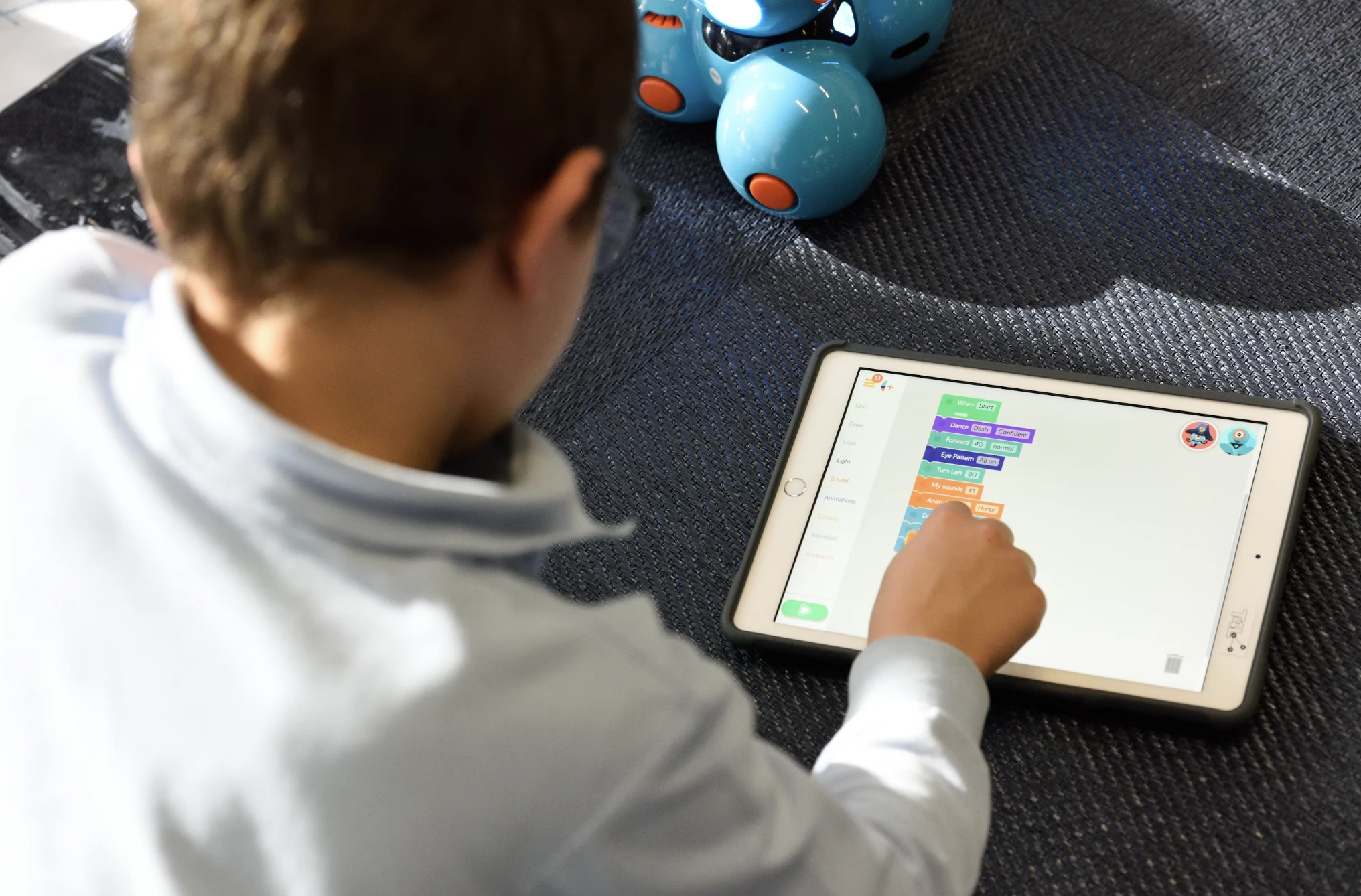
Image by stem.T4L, from Unsplash
AI Self-Study Rooms Gain Popularity In China As Affordable Alternatives To Private Tutors
- Written by Kiara Fabbri Former Tech News Writer
- Fact-Checked by Justyn Newman Former Lead Cybersecurity Editor
A new business model in China’s education sector, the “AI self-study room,” is gaining attention and sparking mixed reactions. These rooms differ from traditional study spaces by equipping each desk with a tablet-like AI learning device that manages both lessons, and exercises for students.
In a Rush? Here are the Quick Facts!
- AI self-study rooms in China use tablets to manage lessons and exercises.
- AI tablets offer affordable alternatives to private tutoring amid government crackdown.
- Experts highlight limitations of AI tablets, including low engagement and limited functionality.
According to Huang, who manages a self-study room in Beijing’s Fengtai District, these AI self-study rooms combine learning devices, study supervisors, and a focused environment, as reported by the Global Times .
Students use the devices for online courses and exercises, while AI helps supervisors identify knowledge gaps and tailor study plans. Real-time learning reports are also provided for parents to track progress.
Rest Of World (ROF) noted that China’s educational device market is expected to reach $20 billion by 2026, fueled by a surge in AI-powered tablets . While personal educational tools like portable dictionaries have been around for decades, AI-driven technology has reinvigorated the sector, attracting attention from tech companies.
Despite the growing popularity of these AI-assisted learning spaces, opinions are divided. Indeed, Global Times reports that some critics argue that the devices do not truly utilize AI, viewing them as a marketing gimmick. Others highlight their potential in improving learning efficiency, quality, and access to educational resources.
A parent interviewed by the Global Times praised the interactivity of the AI devices, which analyze student performance and adjust questions to meet specific learning goals. In areas with fewer educational resources, AI is seen as a solution to inequality, offering personalized tutoring at a fraction of the cost.
Indeed one key factor driving the demand for AI tablets is a government crackdown on tutoring. China’s after-school education market, once serving 137 million students in 2016, has faced significant restrictions, as reported by ROF.
In response to growing pressure on students and parents, the government shut down a large portion of educational firms, revoking licenses for 96% of offline businesses and 87.1% of online ones, as reported by ROF. Despite the drop in tutor availability, demand remains high, leading many parents to seek alternatives like AI tablets for supplemental education.
A study by iResearch, reported by ROF, revealed that 56.3% of parents plan to allocate 10%–30% of their education budget to smart learning devices, with 15.7% willing to spend over 40%, as tutoring expenses decrease.
AI tablets have become particularly popular in less-developed cities, where parents often lack the knowledge or resources to help their children academically.
Indeed, using the AI study room costs 3,000 yuan ($411) per month, with additional charges on weekends. In comparison, hiring a teacher for private tutoring costs up to 500 yuan for two hours, as reported by the Global Times. However, while the AI self-study model is seen as a way to enhance educational equity, challenges remain.
Global Times notes that some students report issues with the devices, which may make errors or offer limited functionality. Critics also warn that the devices, marketed as AI, may simply be app bundles with basic features, lacking personalized learning.
Additionally, education professionals question the tablets’ effectiveness in improving student performance. Kelly Zhang, a former tutor and AI education company employee, noted to ROF, “These tablets don’t offer much beyond resources already available online.”.
Edward Wang, a former test-prep contractor, pointed to ROF that many students lack the focus and motivation to benefit from the devices. “Our data indicates that most video classes have an under 20% open rate and an under 10% completion rate,” he said.
Global Times further noted that experts recognize that AI in education has the potential to improve learning efficiency, bridge regional disparities, and provide personalized solutions that allow remote students to access quality education.
However, they also highlight challenges within the industry, such as low integration and inconsistent quality, which hinder its full potential, as reported by Global Times. Additionally, in is worth noting that tablet use has been associated with emotional dysregulation in children , causing anger outbursts.
Regulatory clarity is needed to guide the sector’s development. Professor Huang Changqin of the Zhejiang Key Laboratory of Intelligent Educational Technology calls for standardized testing and third-party accreditation for these AI-powered educational tools, as reported by the Global Times.
Public school purchases also contribute to the rise in tablet sales. Companies like iFlytek, known for its AI tablets, have secured strategic partnerships with local governments, incorporating their products into schools’ daily operations, says ROF.
Despite a 2022 government ban on compulsory sales of educational devices in schools, some schools continue to push parents to buy these tablets, as reported by ROF.
