
Image by Sean Pollock, from Unsplash
AI Agents Are Reshaping Shopping, What It Means For Brands?
- Written by Kiara Fabbri Former Tech News Writer
- Fact-Checked by Sarah Frazier Former Content Manager
AI-powered agents are changing how people shop, shifting the balance of power in retail, as detailed in an analysis by the Harvard Business Review (HBR).
In a Rush? Here are the Quick Facts!
- Retailers relying on search traffic must adapt as AI agents prioritize price, quality, and service.
- Smaller businesses may gain visibility as AI-driven searches highlight the best value options.
- Brands must optimize for AI agents, similar to SEO, to remain competitive in retail.
HBR explains how traditionally consumers relied on search engines like Google to find and compare products, reading reviews and hunting for the best deals.Now, AI agents—intelligent algorithms capable of making decisions on behalf of users—are streamlining this process.
Platforms like ChatGPT and Perplexity can analyze vast amounts of information, recommend products, and even facilitate transactions, reducing the need for traditional search and retail intermediaries.
OpenAI’s new benchmark for its AI models adds another layer to this transformation. AI responses were tested against human arguments on the r/ChangeMyView subreddit, revealing that the o3-mini model now outperforms human arguments in 82% of cases, highlighting the persuasive capabilities of AI agents in various contexts, including consumer shopping decisions.
HBR argues that this shift raises critical questions about who truly controls the customer relationship. Historically, retailers and brands shared access to consumer data. Retailers had sales data from transactions, while brands gathered insights through market research.
HBR says that AI agents already influence buying decisions. Instead of manually searching for a car, for instance, a consumer can ask Perplexity for the best alternative to a Tesla. The AI not only provides recommendations but also compiles reviews, suggests purchase locations, and could soon handle the entire transaction.
These agents are evolving rapidly. OpenAI, Google, and others are integrating them into apps, making them capable of handling complex tasks such as booking trips or finding insurance. HBR says that the next step is automating purchases based on user preferences, fundamentally altering how people shop and how companies sell.
HBR suggest that retailers, particularly those reliant on traditional search traffic, will need to adapt. AI agents can scan the internet for the best deals, availability, and service quality, prioritizing objective factors over brand loyalty. This levels the playing field, giving smaller businesses a chance to compete against giants.
Consumers, who previously stuck to familiar retailers due to the hassle of comparing options, will now have AI agents do the work for them, as suggested by HBR.
Instead of defaulting to well-known platforms, AI-driven searches might highlight niche brands or smaller retailers with better value propositions. This means businesses must rethink their strategies to ensure they remain visible and appealing to AI systems.
Brands, too, must adapt. Since AI agents prioritize consumer needs over brand names, companies must emphasize product differentiation, competitive pricing, and strong online presence.
HBR argues that the rise of “AI Agent Optimization” (AAO) could mirror the role of SEO in today’s digital marketing, with brands needing to tailor their offerings to AI-driven decision-making processes.
As AI agents become more sophisticated, shopping will continue to evolve. Businesses that embrace this shift—by optimizing for AI recommendations and enhancing their unique strengths—will be best positioned to succeed in the new era of retail.
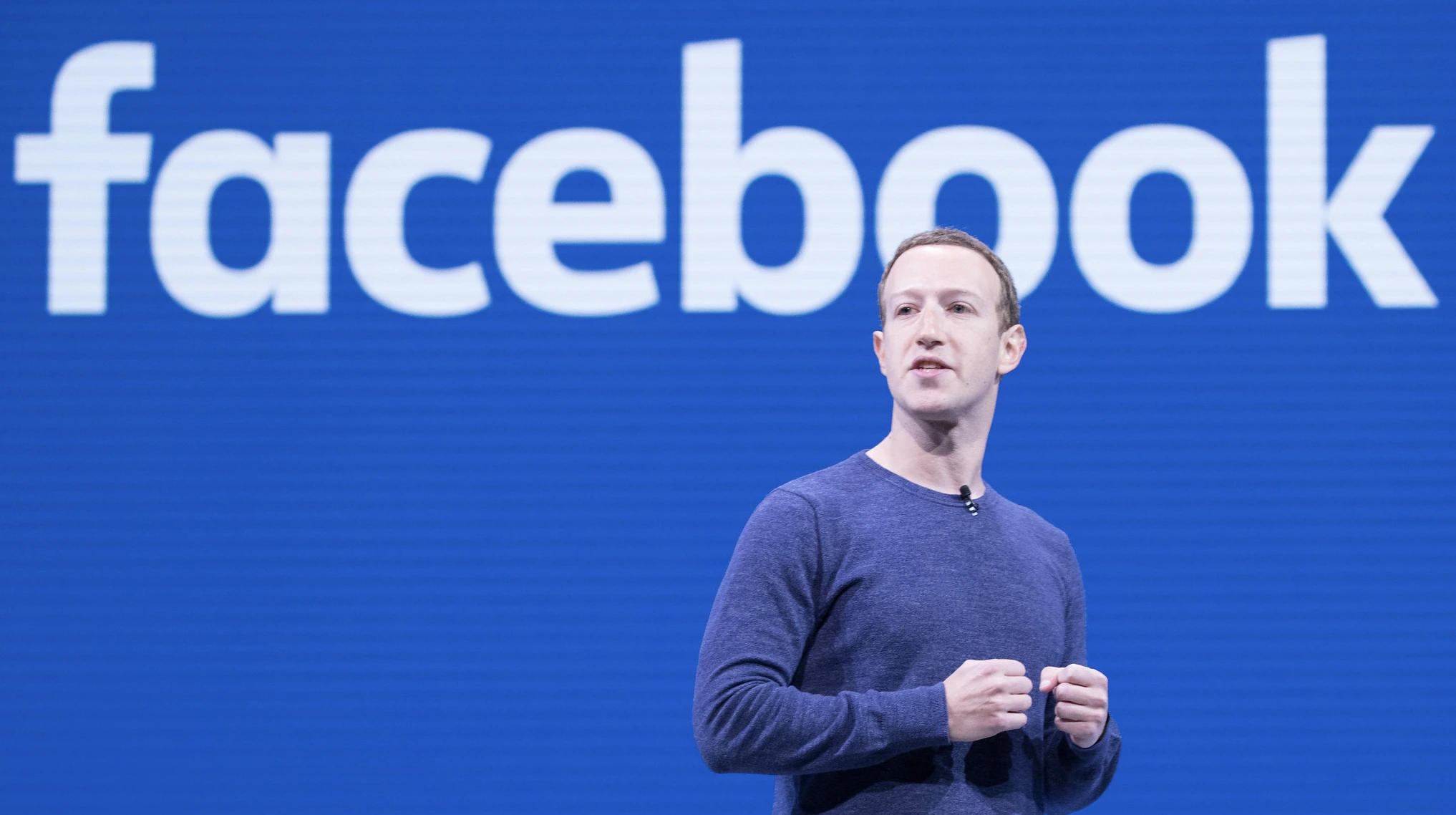
Image by Anthony Quintano, from Flickr
Meta Fires 20 Employees For Leaking Confidential Information
- Written by Kiara Fabbri Former Tech News Writer
- Fact-Checked by Sarah Frazier Former Content Manager
Meta has dismissed around 20 employees for leaking internal information, reinforcing its stance against unauthorized disclosures.
In a Rush? Here are the Quick Facts!
- Meta fired about 20 employees for leaking confidential information.
- Meta warned employees against leaking after reports on Zuckerberg’s all-hands meeting.
- CTO Andrew Bosworth said the company is making progress in identifying leakers.
The Verge first reported the terminations, which come amid heightened scrutiny over leaks revealing unannounced product plans and internal meetings.
“We tell employees when they join the company, and we offer periodic reminders, that it is against our policies to leak internal information, no matter the intent,” Meta spokesperson Dave Arnold told The Verge.
We recently conducted an investigation that resulted in roughly 20 employees being terminated for sharing confidential information outside the company, and we expect there will be more. We take this seriously, and will continue to take action when we identify leaks,” he added.
The company has increased efforts to track leaks following reports about CEO Mark Zuckerberg’s recent all-hands meeting. After details from the meeting surfaced in the press, Meta issued warnings, and CTO Andrew Bosworth later told employees that the company was making progress in identifying leakers, The Verge reported.
“There’s a funny thing that’s happening with these leaks,” Bosworth said during an internal meeting in early February, as noted by The Verge. “When things leak, I think a lot of times people think, ‘Ah, okay, this is leaked, therefore it’ll put pressure on us to change things.’ The opposite is more likely.”
A prior meeting with Bosworth was also leaked. He later discussed the matter in an internal open group called Let’s Fix Meta, stating, “As predicted, the entirety of today’s Q&A leaked. It sounds like someone just gave the entire audio feed to a journalist,” as reported by The Economic Times .
Meta did not specify what information was leaked, who the employees were, or where the details were shared. However, the move comes during a period of internal unrest.
The company’s crackdown suggests that further terminations could follow as its internal investigation continues. Employee morale has reportedly declined following Zuckerberg’s policy changes, including adjustments to content moderation, the dissolution of diversity, equity, and inclusion (DEI) programs.
Additionally, Meta recently cut 3,600 jobs , citing performance issues, but some affected employees say they had no history of underperformance. Others claim they were let go while on parental or medical leave.
The Economic Times argues that Meta’s recent terminations align with a broader wave of layoffs across major tech companies. Google, for instance, cut fewer than 100 jobs in its cloud division, mainly in sales operations.
Additionally, the Alphabet-owned company introduced a voluntary exit program for U.S. employees in its Platforms & Devices division.
