
Image by Asfand Effandi, from Unsplash
Adobe Launches Content Authenticity App To Protect Creators From Unauthorized AI Use
- Written by Kiara Fabbri Former Tech News Writer
- Fact-Checked by Justyn Newman Former Lead Cybersecurity Editor
In a Rush? Here are the Quick Facts!
- Adobe launched a free web app to help creators protect their digital work.
- The app applies Content Credentials, acting like a “nutrition label” for digital content.
- The app allows creators to signal exclusion from generative AI training usage.
Adobe has announced on Tuesday the launch of a new web app designed to help creators protect their digital work with Content Credentials . The Adobe Content Authenticity web app offers a free solution for applying these credentials, which act like a “nutrition label” for digital content, ensuring proper attribution and transparency.
The app builds on Adobe’s broader Content Authenticity Initiative (CAI), which began in 2019, and addresses growing concerns over content misuse, misinformation, and unauthorized AI training.
Content Credentials, already available in popular Adobe Creative Cloud apps such as Photoshop, Lightroom, and Firefly, provide secure metadata for creators to include information about themselves and their work.
With the new web app, creators can apply these credentials to images, videos, and audio files in bulk, giving them control over how their work is used and ensuring proper recognition. One key feature of the app allows creators to apply Content Credentials in bulk to their digital work, such as images, audio, and video files.
Creators can control what information is included, such as their name, website, and social media accounts, with further customization options planned. This helps ensure they receive proper attribution and protection from unauthorized use or misattribution.
The app also gives creators the option to signal whether they want their content excluded from generative AI training. While Adobe’s Firefly only uses licensed content for training, other AI models may not follow this practice.
With the web app, creators can set preferences to prevent their content from being used by other AI models. This feature also ensures that content not authorized for AI training won’t be eligible for Adobe Stock.
Additionally, Adobe has introduced tools for viewing and recovering Content Credentials, even when some platforms do not display provenance information.
The Content Authenticity extension for Google Chrome and an Inspect tool within the app allow users to recover associated credentials and edit history.
Content Credentials are designed to remain securely attached to digital work throughout its lifecycle, utilizing a combination of digital fingerprinting, invisible watermarking, and cryptographic metadata to ensure their durability and verifiability.
However, the company admits that the tool is not foolproof. “Anybody who tells you that their watermark is 100% defensible is lying,” says Ely Greenfield, Adobe’s CTO of digital media, as reported by MIT Review .
“This is defending against accidental or unintentional stripping, as opposed to some nefarious actor,” she added.
Adobe asserts that it does not (and will not) use user content for training its AI, as noted by MIT.
However, many artists, including Neil Turkewitz, an artists’ rights activist and former executive vice president of the Recording Industry Association of America, argue that the company fails to secure consent or properly own the rights to individual contributors’ images, as reported by MIT.
“It wouldn’t take a huge shift for Adobe to actually become a truly ethical actor in this space and to demonstrate leadership,” he says. “But it’s great that companies are dealing with provenance and improving tools for metadata, which are all part of an ultimate solution for addressing these problems,” Nail added, as reported by MIT.
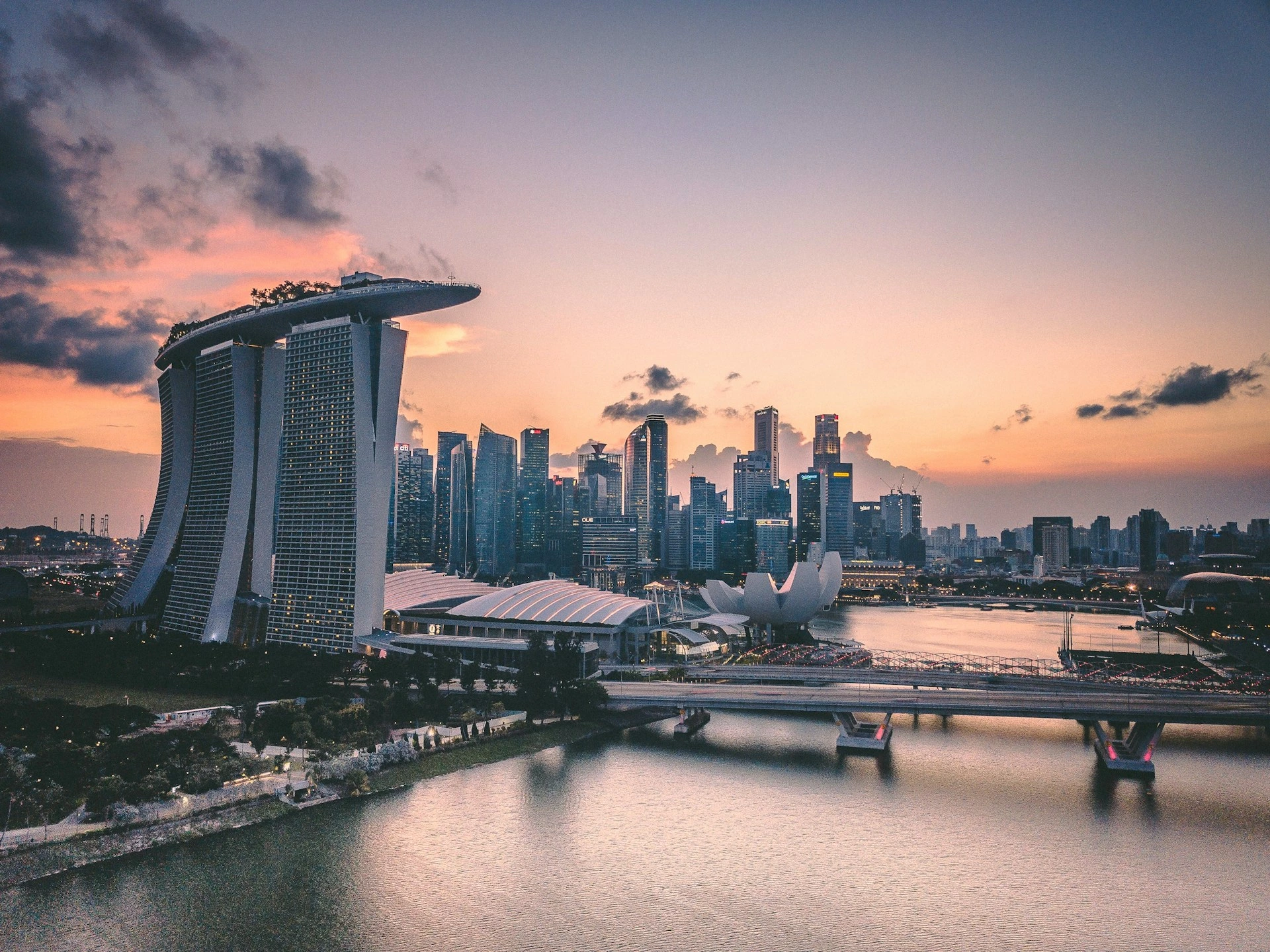
Photo by Swapnil Bapat on Unsplash
OpenAI Announces New Offices in Paris, Brussels, Singapore, and More
- Written by Andrea Miliani Former Tech News Expert
- Fact-Checked by Justyn Newman Former Lead Cybersecurity Editor
In a Rush? Here are the Quick Facts!
- OpenAI will open new offices in Seattle, New York, Singapore, Brussels, and Paris.
- The current San Francisco, Tokyo, Dublin, and London offices will expand.
- The new office in Singapour is expected to open by the end of the year with a new team.
OpenAI announced this Wednesday that it is opening new offices in New York City, Seattle, Singapore, Brussels, and Paris, and will expand its current offices in San Francisco, Tokyo, Dublin, and London.
The tech company shared the update on X, along with a GIF with the names of the cities, and an invitation for talents to join the new teams. In the link, people can find the new open positions available in all the different locations.
We’re expanding 🌎 We’re opening offices in NYC, Seattle, Paris, Brussels, and Singapore, alongside our growing San Francisco, London, Dublin, and Tokyo offices. Want to join us? https://t.co/e6ffA2pB7g pic.twitter.com/rNmbHZ5Gm6 — OpenAI (@OpenAI) October 9, 2024
This announcement was made just a few days after OpenAI closed a funding deal for $6.6 billion that increased the value of the company to $157 billion, and after top executives resigned.
Despite concerns regarding projection, profit, and organizational structure, many users showed interest in joining the company on X . “Exciting to see OpenAI growing globally. Great opportunities for anyone looking to be part of the AI space,” wrote one user. Others wished the company opened offices in their home cities.
According to Tech Crunch , OpenAI is already building a team in Singapore—its second location in Asia—, hiring new talents, and expects to open the new office by the end of the year. The company is also partnering with AI Singapore—a national program that supports companies and organizations in AI—to expand its technology in Southeast Asia.
“Singapore, with its rich history of technology leadership, has emerged as a leader in artificial intelligence, recognizing its potential to solve some of society’s hardest problems and advance economic prosperity,” said Sam Altman, CEO of OpenAI in a statement. “We’re excited to partner with the government and the country’s thriving AI ecosystem as we expand into the APAC region.”
