
Image by DC Studio, from Freepik
8Base Ransomware Crew Busted In International Operation, $16 Million Stolen
- Written by Kiara Fabbri Former Tech News Writer
- Fact-Checked by Justyn Newman Former Lead Cybersecurity Editor
Law enforcement agencies from the US, Europe, and Asia have dismantled the dark web operations of the 8Base ransomware group and arrested four suspects in Thailand, as first reported by a local news outlet .
In a Rush? Here are the Quick Facts!
- Over 1,000 victims targeted by 8Base since its launch in 2022.
- Evidence seized includes phones, cryptocurrency wallets, and laptops in coordinated raids.
- US and Swiss authorities seek extradition for conspiracy and wire fraud charges.
The gang, active since 2022, is accused of stealing $16 million from over 1,000 victims worldwide.The coordinated raids, part of “Operation Phobos Aetor,” targeted the group’s dark web portal, which was seized by Bavarian police, as reported by The Register .
Thai authorities arrested four European nationals in Phuket, seizing over 40 pieces of evidence, including phones, cryptocurrency wallets, and laptops. Swiss and US officials have requested the suspects’ extradition on charges of conspiracy to commit wire fraud and offenses against the United States.
Europol and the UK’s National Crime Agency (NCA) confirmed their involvement in the operation, with Europol set to release further details. The FBI and Bavarian police have yet to comment, said The Register.
8Base, which launched its leak site in May 2023, quickly became one of the top ransomware operators of the year. The group claimed to have targeted major organizations, including German carmaker Volkswagen, though the company downplayed the impact of the attack, as reported by The Register.
Security researchers are now monitoring for signs of 8Base re-emerging under a new alias. Some speculated the shutdown could be an exit scam, similar to the ALPHV ransomware group’s alleged tactic last year.
However, police involvement makes this scenario unlikely.The Register says that the takedown marks a significant victory in the fight against ransomware, though experts warn that such groups often rebrand and resume operations.
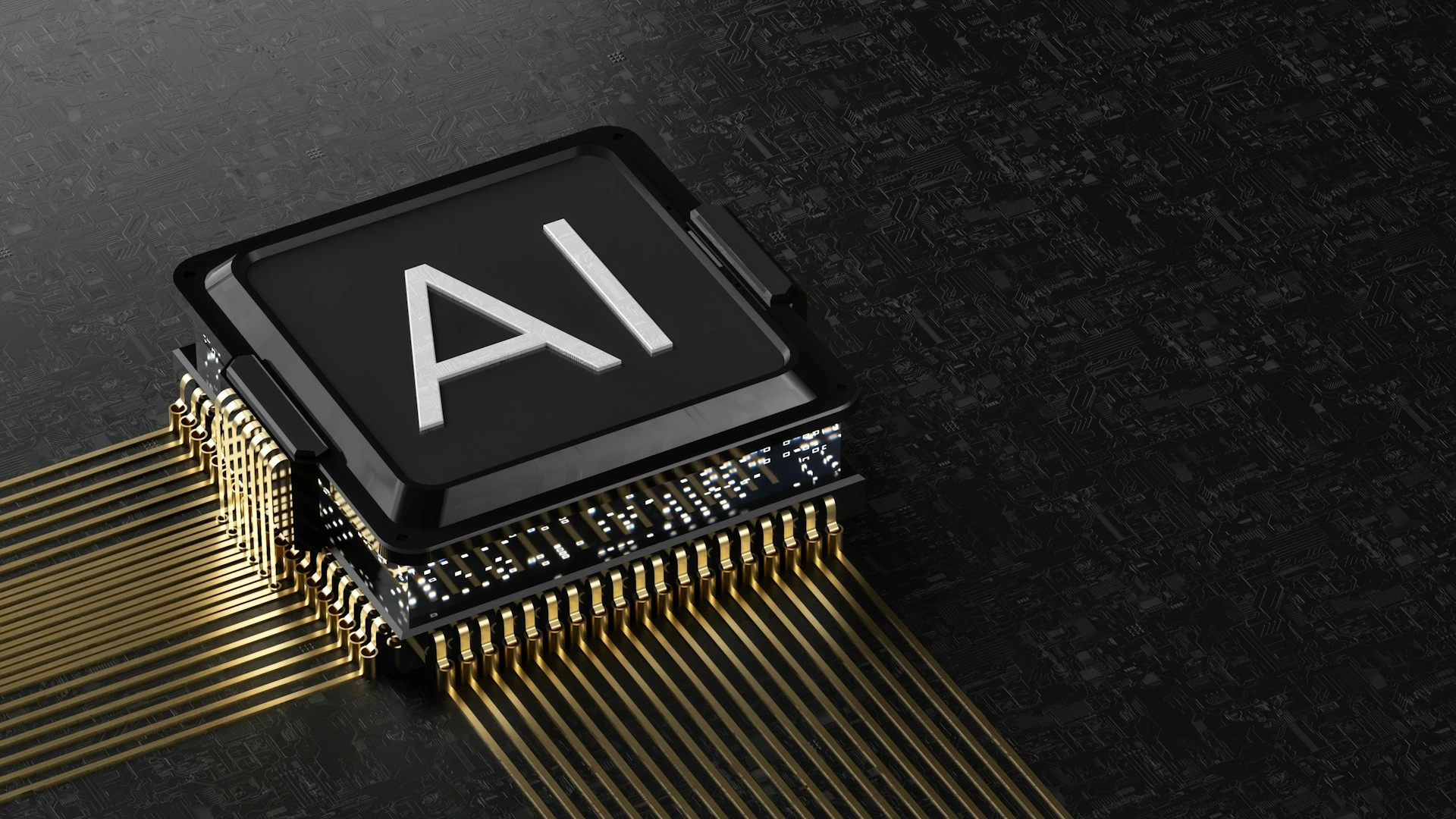
Photo by Igor Omilaev on Unsplash
OpenAI Expects First Custom AI Chip By End Of 2025
- Written by Andrea Miliani Former Tech News Expert
- Fact-Checked by Justyn Newman Former Lead Cybersecurity Editor
OpenAI plans to manufacture its first specialized chips for artificial intelligence models by the end of this year.
In a Rush? Here are the Quick Facts!
- Anonymous sources told Reuters that OpenAI plans to manufacture its first specialized chips for artificial intelligence models by the end of 2025.
- The AI company is at the end of the chip design process, and will soon send the design to TMSC.
- Manufacturing in-house AI chips is considered a strategic business move to gain leverage in negotiations and compete against other chipmakers.
According to an exclusive report by Reuters , sources familiar with the matter said that the AI company is nearing the end of the design process and will soon begin “taping out”—the stage where a chip’s design is finalized and then sent to the semiconductor manufacturing facility for fabrication—within the next few months.
The anonymous sources explained that Taiwan Semiconductor Manufacturing Co (TSMC) will be in charge of the manufacturing process, as revealed in October last year . OpenAI and TSMC declined to comment on the topic.
This update confirms OpenAI’s intentions to reduce its dependence on Nvidia chips and move forward with its ambitious plans of reaching mass production by 2026.
The process of building AI chips takes approximately six months. However, OpenAI still needs to test the product, and tape-out process costs can increase if issues require diagnosis and a remake, or if they choose to accelerate production.
Richard Ho—Head of Hardware at OpenAI, previously at Google’s Tensor Processing Unit—, in collaboration with Broadcom, is in charge of the team designing the AI chips for AI, which has significantly increased its members in the past few months.
Producing AI chips in-house is seen as a strategic move to gain leverage in negotiations with other chipmakers, but it’s no easy task. Other tech giants, such as Meta and Microsoft, have attempted this but failed.
OpenAI, along with Oracle, Softbank, and the government of the United States recently announced a $500 billion joint venture to develop the Stargate Project in the American nation.
