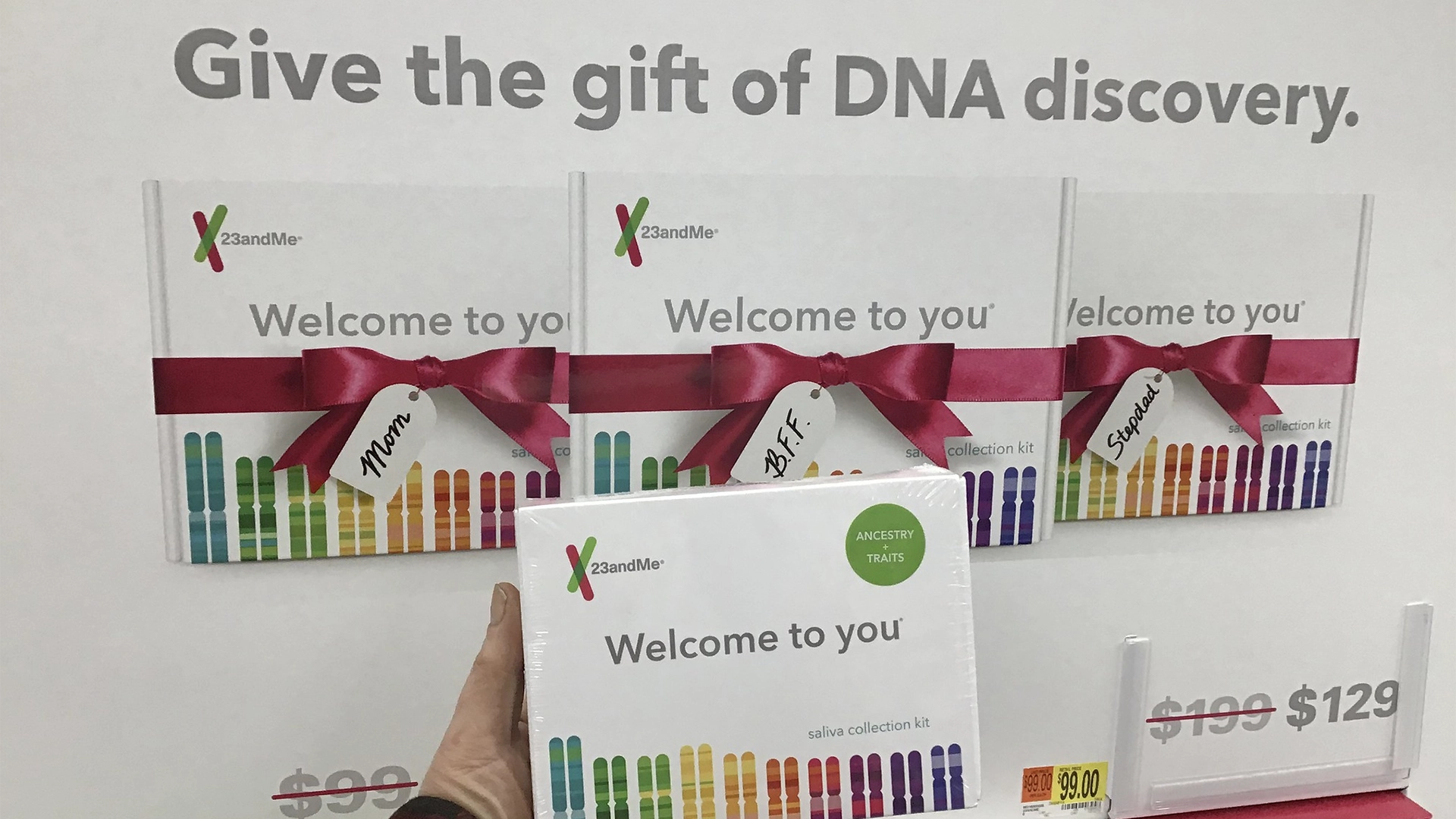
Image by Mike Mozart, from Flickr
23andMe Files for Bankruptcy, Raising Concerns Over Genetic Data Sales
- Written by Kiara Fabbri Former Tech News Writer
- Fact-Checked by Sarah Frazier Former Content Manager
Genetic testing company 23andMe has filed for Chapter 11 bankruptcy, leaving the fate of millions of customers’ genetic information uncertain.
In a rush? Here are the quick facts:
- The breach exposed genetic and ancestry data of nearly seven million users.
- Privacy advocates fear the company’s DNA database could be sold to third parties.
- Experts warn genetic data is permanent and can’t be revoked once compromised.
The company, once valued at nearly $6 billion, has faced significant financial and legal challenges following a massive data breach in 2023 that exposed the personal information of nearly seven million users, as noted by Reuters .
The breach, which lasted five months, allowed hackers to access sensitive customer data, including health-related genetic information, birth years, and geographic locations.
Following the incident, 23andMe has been hit with over 50 class-action lawsuits and arbitration claims from around 35,000 individuals. The company is seeking bankruptcy protection partly to manage the legal fallout, as it may not have the funds to cover potential damages, as reported by 404 Media .
The situation has become so dire that California Attorney General Rob Bonta issued a privacy alert urging 23andMe users to delete their data and request the destruction of their genetic samples. “Given 23andMe’s reported financial distress, I remind Californians to consider invoking their rights and directing 23andMe to delete their data,” he said.
This stark warning highlights how vulnerable consumer genetic data becomes when entrusted to a struggling corporation. While 23andMe claims in customer communications that “your data remains protected” and that the bankruptcy filing “does not change how we store, manage, or protect customer data,” privacy experts are sounding alarms.
The company’s bankruptcy filing reveals it owes money to various pharmaceutical companies, AI firms, and health insurers – exactly the types of organizations that might be interested in acquiring a massive genetic database, as noted by 404 Media.
This isn’t just theoretical – other DNA companies have already set troubling precedents. GED Match, which originally promised to protect user data, was sold to a forensic genetics company that works with the FBI, as reported by 404 Media.
Additionally, police now routinely use commercial DNA databases to identify suspects, raising concerns about genetic surveillance.
The fundamental problem is that DNA data isn’t like other personal information – it can’t be changed if compromised, and it reveals information not just about you but about your relatives too.
Once you’ve handed over your genetic material to a company, you lose control over how it might be used in the future, especially if that company goes bankrupt and sells its assets.
23andMe maintains that any buyer would have to “comply with applicable law with respect to the treatment of customer data.” However, as privacy advocates point out, U.S. laws offer minimal protection against the commercialization or sharing of genetic information, as noted by 404 Media.
For the 15 million people who have used 23andMe’s services, the message is clear: your most personal data could soon belong to someone else. While the company continues operating during bankruptcy proceedings, concerned customers are rushing to delete their accounts.
The 23andMe bankruptcy serves as a cautionary tale about the risks of the genetic testing industry, where sensitive biological data becomes corporate property with an uncertain future.
As the company prepares for a fire sale, millions are left wondering – who will own their DNA tomorrow, and what will they do with it?
Photo by Junseong Lee on Unsplash
Apple Invests $99 Million in China’s Clean Energy to Achieve 100% Renewable Supply Chain by 2030
- Written by Andrea Miliani Former Tech News Expert
- Fact-Checked by Sarah Frazier Former Content Manager
Apple announced this Monday a new investment of 720 million yuan—around $99.3 million—in China to expand its clean energy efforts and reach its goal of achieving 100% renewable energy operations by 2030.
In a rush? Here are the quick facts:
- Apple is investing $99.3 million to boost clean energy projects in China.
- CEO Tim Cook announced the initiative on Chinese social media platform Weibo.
- The new phase aims to generate 550,000 MWh of renewable energy and attract more investors.
According to the Chinese news agency Xinhua , Tim Cook, Apple’s CEO, announced on the Chinese social media platform Weibo the company’s plan for a transition to using renewable energy in its supply chain in China.
About two-thirds of the tech giant’s supply chain already relies on green energy—over 1,000 megawatts of wind and solar energy—in the Asian country, after a first phase of investment.
The new investment seeks to expand and generate around 550,000 megawatt-hours of solar and wind energy. The tech firm also expects more investors to join the initiative.
Cook made the announcement after attending the China Development Forum in Beijing on Sunday. The event counted with the presence of over 86 company representatives from 21 countries.
According to The Economic Times , Apple shares its commitment to continue and develop operations in China amid tensions related to the 20% tariffs imposed by the U.S. government.
The China Council for the Promotion of International Trade said that Apple and other American companies are welcome to develop operations in China.
Chinese Premier Li Qiang urged countries to act against “rising instability and uncertainty” and assured that new macroeconomic policies will come soon.
Cook reassured Apple’s commitment to cooperating with China and the China Development Research Foundation also with donations to support rural education, as reported by Digitimes Asia .
Apple’s CEO praised the Chinese AI model DeepSeek as well and described his experience using the model as “fantastic.”
In February, Apple announced a $500 billion investment in the United States for the next five years, to expand operations and build new factories in the country.
